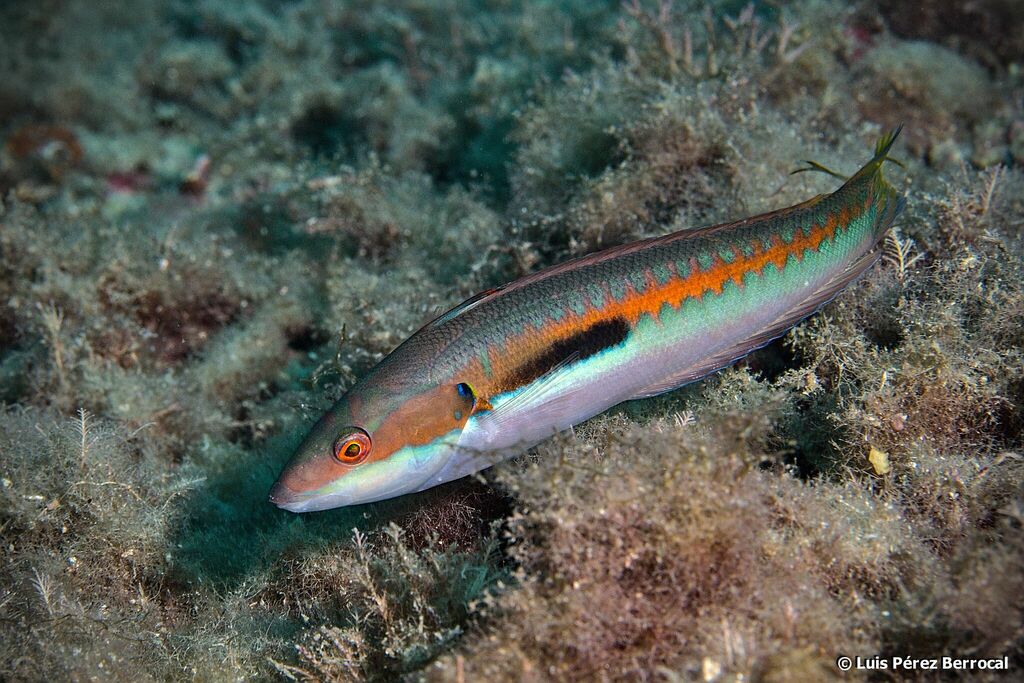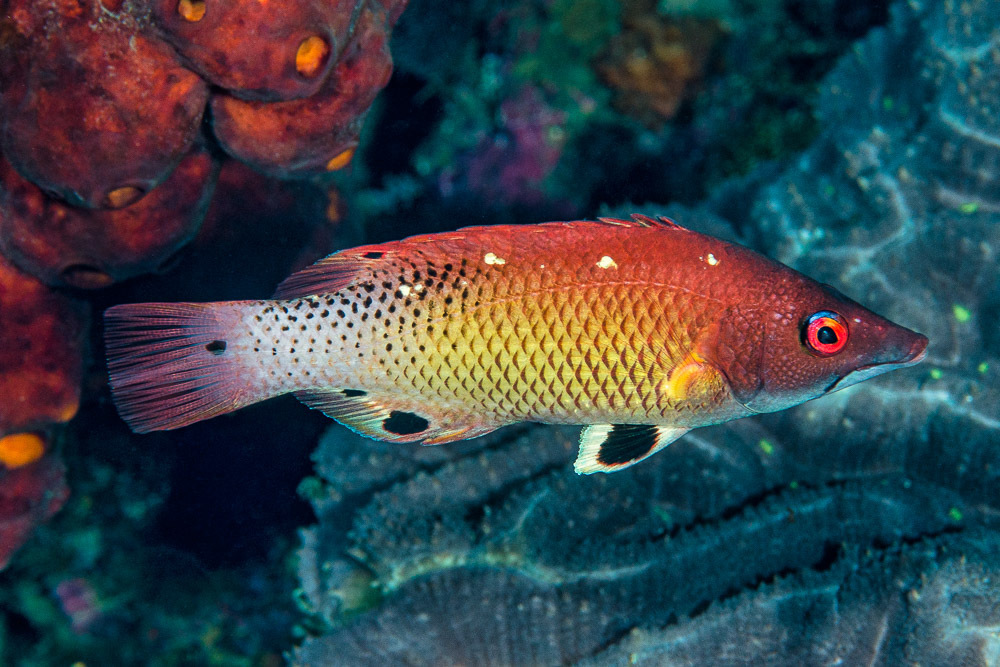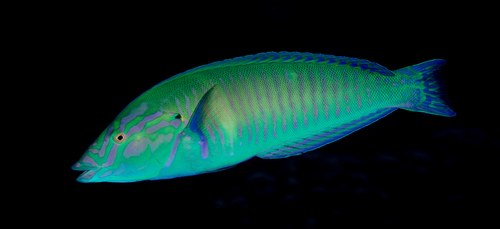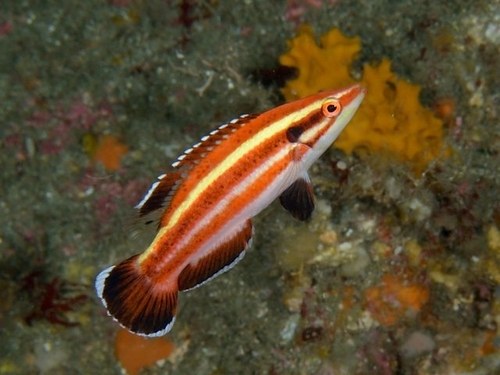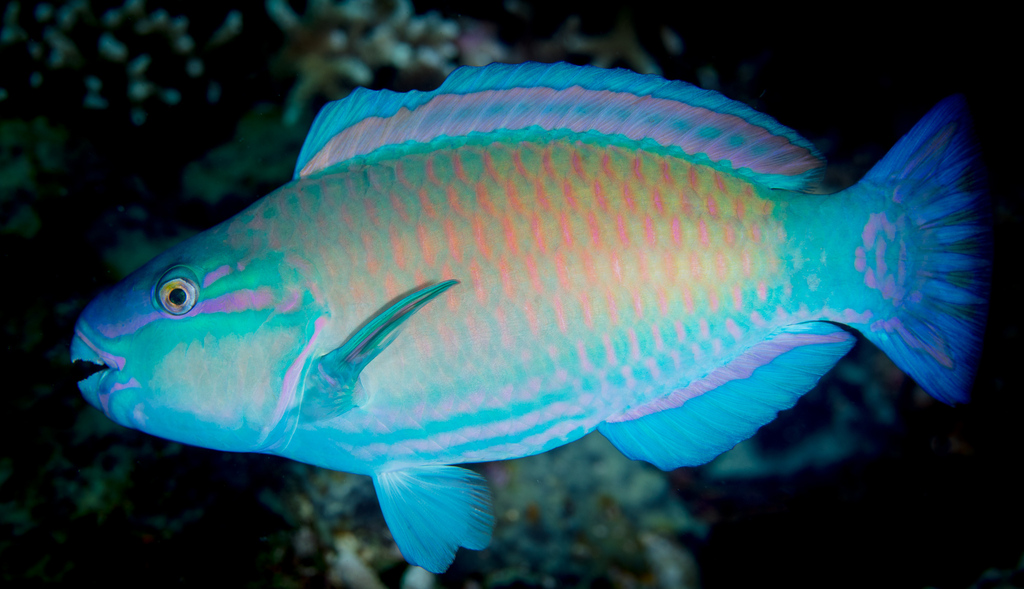
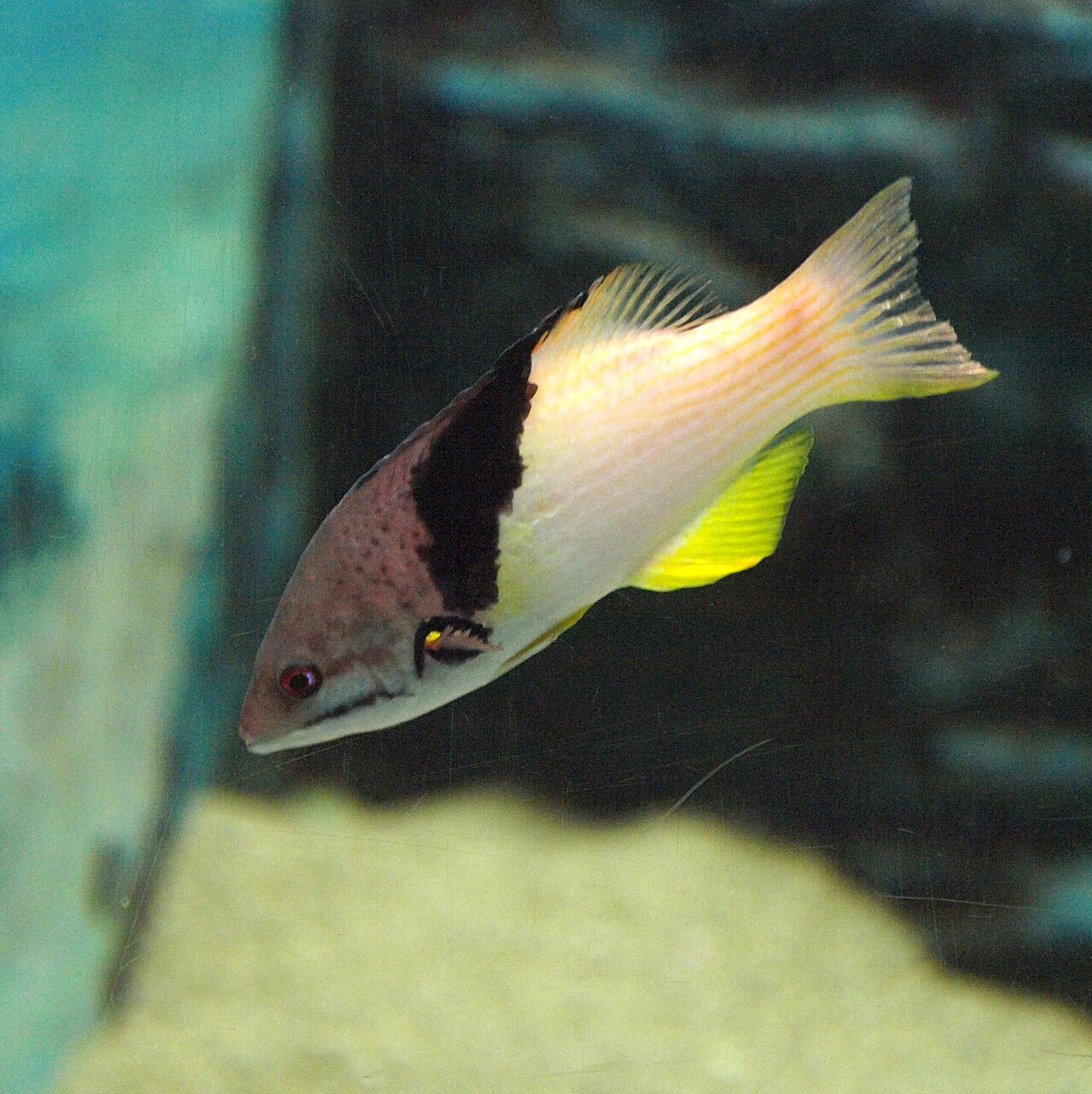
split-level hogfish Juv
bodianus mesothorax juv
In Stock
Common stock
Wild Caught
Moderate care
With Caution
SKU: ML-MF-0402
Discover the vibrant split-level hogfish Juv, a captivating addition to marine aquariums.
Pricing for Verified Importers
Log in to see wholesale prices and order.
Export Size
up to 20.0 cm
Origin
Coral Triangle
Temperature
24.0–28.0°C
Min. Tank Size
200 L
Salinity
1.020–1.025 ppt
pH
8.10–8.40
Diet
carnivore
The split-level hogfish (Bodianus mesothorax) is a striking marine species known for its vibrant coloration and unique morphology. Juveniles are particularly admired for their distinctive split-level coloration, with bright yellow and blue hues that make them stand out in any aquarium setting. This species exhibits a robust body and a slightly elongated shape, which aids in navigating through coral reefs and rocky substrates where they are commonly found.
In the wild, split-level hogfish juveniles inhabit shallow coral reefs and sandy bottoms, often associating with structures that provide shelter from predators. They are social creatures, frequently seen in small groups, and they exhibit interesting behaviors such as foraging and cleaning other fish. As they mature, their coloration changes, and they become more dominant within their territories, showcasing a more subdued color palette compared to their juvenile phase.
Behaviorally, split-level hogfish are known for their inquisitive nature and active swimming. They thrive in environments rich in hiding spots, which helps them feel secure as they explore their surroundings. These fish are also known to exhibit territorial behaviors, especially in males during breeding seasons, where their vibrant colors become even more pronounced as a display to attract potential mates.
Overall, the split-level hogfish is not only a feast for the eyes but also a fascinating species that contributes significantly to the biodiversity of coral reef ecosystems. Their presence in aquariums can create a dynamic and engaging environment, appealing to both novice and experienced aquarium enthusiasts alike.
In the wild, split-level hogfish juveniles inhabit shallow coral reefs and sandy bottoms, often associating with structures that provide shelter from predators. They are social creatures, frequently seen in small groups, and they exhibit interesting behaviors such as foraging and cleaning other fish. As they mature, their coloration changes, and they become more dominant within their territories, showcasing a more subdued color palette compared to their juvenile phase.
Behaviorally, split-level hogfish are known for their inquisitive nature and active swimming. They thrive in environments rich in hiding spots, which helps them feel secure as they explore their surroundings. These fish are also known to exhibit territorial behaviors, especially in males during breeding seasons, where their vibrant colors become even more pronounced as a display to attract potential mates.
Overall, the split-level hogfish is not only a feast for the eyes but also a fascinating species that contributes significantly to the biodiversity of coral reef ecosystems. Their presence in aquariums can create a dynamic and engaging environment, appealing to both novice and experienced aquarium enthusiasts alike.
To maintain healthy split-level hogfish juveniles, it is essential to replicate their natural habitat as closely as possible. Ideal water parameters include a temperature range of 24-28°C, salinity levels between 1.020 and 1.025 ppt, and a pH level of 8.1-8.4. Regular monitoring of these parameters is crucial to ensure optimal health and longevity.
Feeding these fish a varied diet is key to their well-being. They are carnivorous and thrive on a diet consisting of high-quality pellets, frozen or live foods such as brine shrimp, mysis shrimp, and small crustaceans. It is recommended to feed them multiple times a day in small portions to mimic their natural foraging behaviors.
In terms of compatibility, split-level hogfish juveniles tend to do well in community tanks with other peaceful reef species. However, caution should be exercised when introducing them to aggressive tankmates, as they can display territorial behavior as they mature. Acclimation should be done slowly to minimize stress; using a drip acclimation method is highly advisable.
Quarantine new arrivals for at least two weeks before introducing them to the main tank. This helps prevent the spread of any potential diseases and allows you to monitor their health. Regular water changes and proper filtration are also important to maintain a clean environment, ensuring your split-level hogfish thrive in captivity.
Feeding these fish a varied diet is key to their well-being. They are carnivorous and thrive on a diet consisting of high-quality pellets, frozen or live foods such as brine shrimp, mysis shrimp, and small crustaceans. It is recommended to feed them multiple times a day in small portions to mimic their natural foraging behaviors.
In terms of compatibility, split-level hogfish juveniles tend to do well in community tanks with other peaceful reef species. However, caution should be exercised when introducing them to aggressive tankmates, as they can display territorial behavior as they mature. Acclimation should be done slowly to minimize stress; using a drip acclimation method is highly advisable.
Quarantine new arrivals for at least two weeks before introducing them to the main tank. This helps prevent the spread of any potential diseases and allows you to monitor their health. Regular water changes and proper filtration are also important to maintain a clean environment, ensuring your split-level hogfish thrive in captivity.
Split-level hogfish juveniles are suitable for shipping due to their hardiness, but care must be taken to maintain stable water temperatures during transit. Packing density should be moderate to ensure adequate oxygen levels, and temperatures should ideally be kept between 24-26°C. They are not listed under CITES, simplifying export regulations.
Species Parameters
Max Adult Size
20.0 cm
Origin
Coral Triangle
Diet
carnivore
Temp Min
24.0 °C
Temp Max
28.0 °C
Salinity Min
1.020
Salinity Max
1.025
pH Min
8.10
pH Max
8.40
Min Tank
200 L