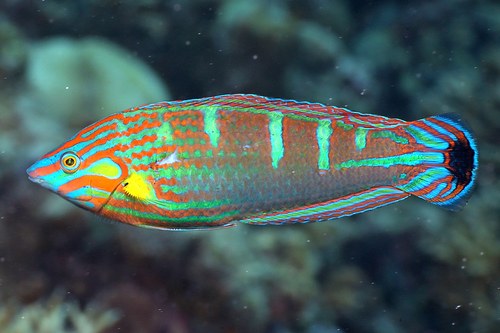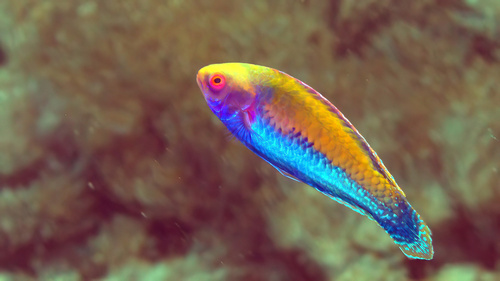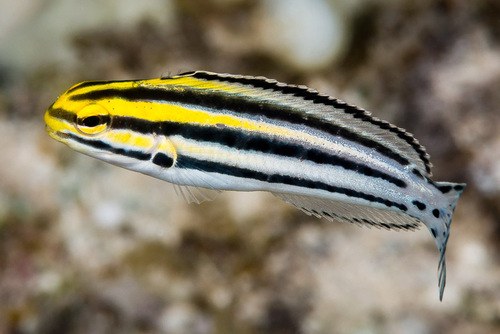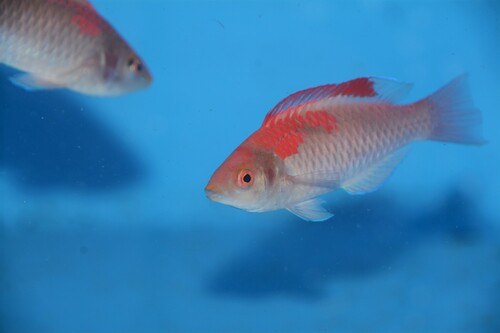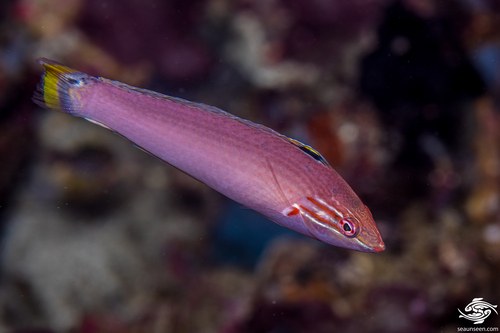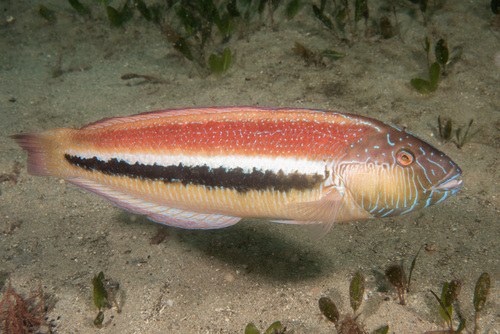
Maori Wrassa
Ophthalmolepis lineolatus
In Stock
Common stock
Wild Caught
Moderate care
With Caution
SKU: CB-MF-0153
The Maori Wrasse is a vibrant marine fish known for its unique coloration and intelligent behavior.
Pricing for Verified Importers
Log in to see wholesale prices and order.
Export Size
up to 80.0 cm
Origin
Indo-Pacific
Temperature
24.0–28.0°C
Min. Tank Size
400 L
Salinity
28.000–35.000 ppt
pH
8.10–8.40
Diet
omnivore
The Maori Wrasse (Ophthalmolepis lineolatus) is a striking marine fish endemic to the coral reefs of the Indo-Pacific region. This species is characterized by its elongated body, which can reach lengths of up to 80 cm. Its vibrant coloration features a mix of blues and greens, with intricate patterns that provide effective camouflage among the coral structures. The Maori Wrasse is known for its large, expressive eyes and distinctively thick lips, which help it forage for prey in crevices and nooks within the reef.
In terms of behavior, the Maori Wrasse is a highly social fish, often seen in small groups or pairs. They are known for their curiosity and intelligence, exhibiting problem-solving abilities that are rare among fish. This species plays a vital role in the reef ecosystem as a cleaner fish, engaging in mutualistic relationships with other marine creatures by removing parasites and dead tissue from their bodies. Their presence contributes to the overall health of the reef community, making them an important species for ecological balance.
Maori Wrasses are predominantly found in shallow, tropical waters, often residing in coral reef habitats where they can find ample food and shelter. They prefer areas with abundant coral cover, which not only provides hiding spots from predators but also a rich supply of invertebrates and algae to feed on. Their habitat preference highlights the importance of coral reef conservation, as their populations are directly linked to the health of these ecosystems.
Due to their striking appearance and engaging behavior, Maori Wrasses are increasingly popular among aquarists. However, their specific care requirements necessitate careful consideration by aquarium importers and retailers to ensure their successful integration into captive environments.
In terms of behavior, the Maori Wrasse is a highly social fish, often seen in small groups or pairs. They are known for their curiosity and intelligence, exhibiting problem-solving abilities that are rare among fish. This species plays a vital role in the reef ecosystem as a cleaner fish, engaging in mutualistic relationships with other marine creatures by removing parasites and dead tissue from their bodies. Their presence contributes to the overall health of the reef community, making them an important species for ecological balance.
Maori Wrasses are predominantly found in shallow, tropical waters, often residing in coral reef habitats where they can find ample food and shelter. They prefer areas with abundant coral cover, which not only provides hiding spots from predators but also a rich supply of invertebrates and algae to feed on. Their habitat preference highlights the importance of coral reef conservation, as their populations are directly linked to the health of these ecosystems.
Due to their striking appearance and engaging behavior, Maori Wrasses are increasingly popular among aquarists. However, their specific care requirements necessitate careful consideration by aquarium importers and retailers to ensure their successful integration into captive environments.
To maintain a healthy environment for the Maori Wrasse, it is essential to replicate their natural habitat as closely as possible. Ideal water parameters include a temperature range of 24-28°C, a salinity level of 28-35 ppt, and a pH between 8.1 and 8.4. A minimum tank size of 400 liters is recommended to provide ample swimming space and territories for this active fish.
Feeding the Maori Wrasse involves offering a varied diet, including high-quality pellets, frozen or live foods such as shrimp, crabs, and mollusks. Due to their omnivorous diet, including some plant matter is beneficial. When introducing them to a new aquarium, acclimation should be gradual to reduce stress. It's advisable to use a drip acclimation method over several hours.
Compatibility is generally good with other robust marine species, but they may exhibit territorial behavior towards similar-looking fish. Quarantine is highly recommended before adding them to a display tank to prevent the introduction of diseases. Regular monitoring and maintenance of water quality are crucial for their health and longevity in captivity.
Feeding the Maori Wrasse involves offering a varied diet, including high-quality pellets, frozen or live foods such as shrimp, crabs, and mollusks. Due to their omnivorous diet, including some plant matter is beneficial. When introducing them to a new aquarium, acclimation should be gradual to reduce stress. It's advisable to use a drip acclimation method over several hours.
Compatibility is generally good with other robust marine species, but they may exhibit territorial behavior towards similar-looking fish. Quarantine is highly recommended before adding them to a display tank to prevent the introduction of diseases. Regular monitoring and maintenance of water quality are crucial for their health and longevity in captivity.
The Maori Wrasse is suitable for shipping, but care must be taken to maintain stable water conditions during transport. Packing density should be low to minimize stress, ideally with one fish per 30-40 liters. Temperature sensitivity is moderate; therefore, it is essential to keep the shipping temperature between 24-28°C. Currently, there are no CITES restrictions on this species, but it is important to use sustainable sourcing practices.
Species Parameters
Max Adult Size
80.0 cm
Origin
Indo-Pacific
Diet
omnivore
Temp Min
24.0 °C
Temp Max
28.0 °C
Salinity Min
28.000
Salinity Max
35.000
pH Min
8.10
pH Max
8.40
Min Tank
400 L