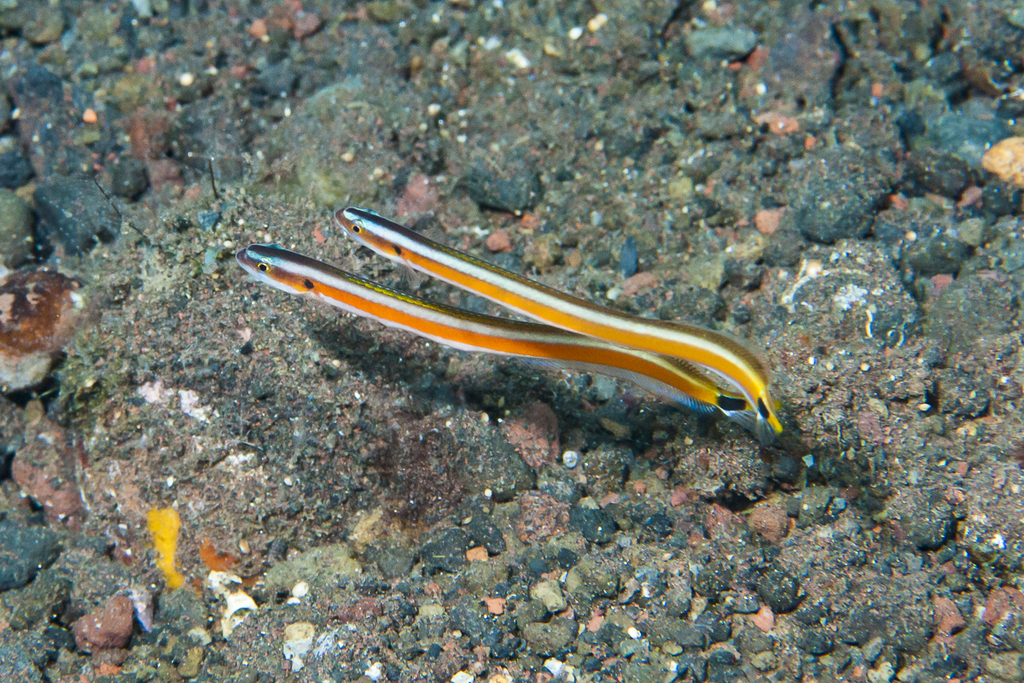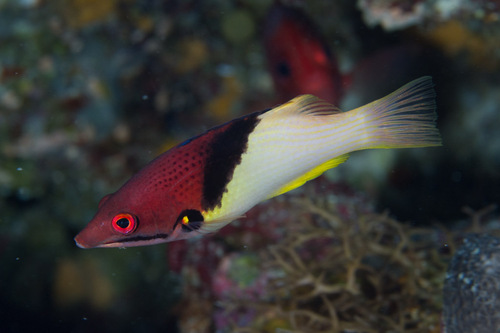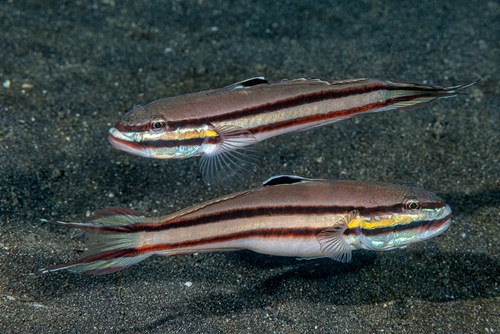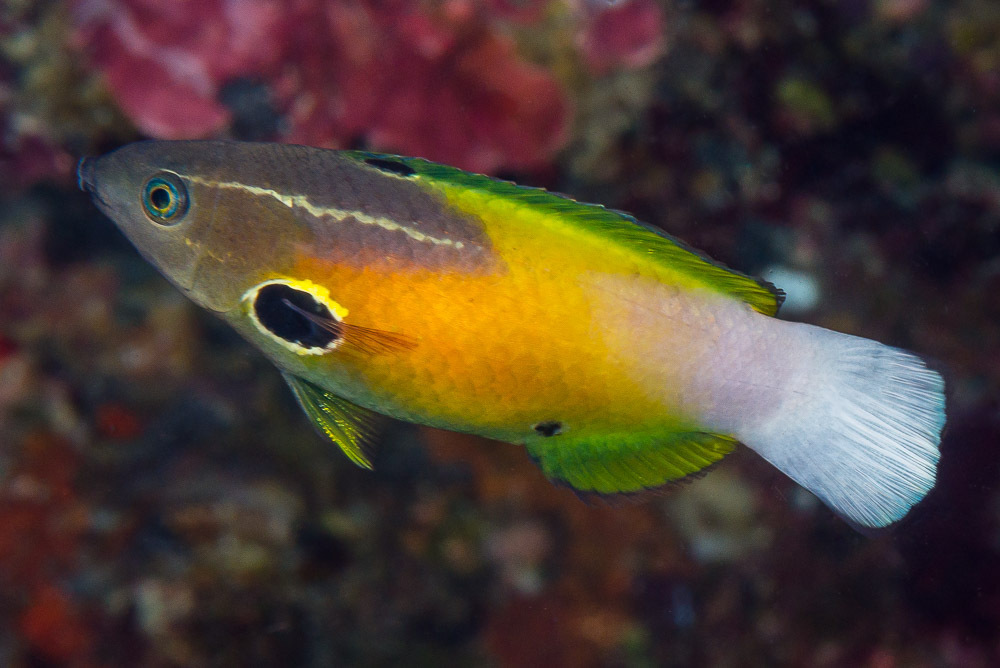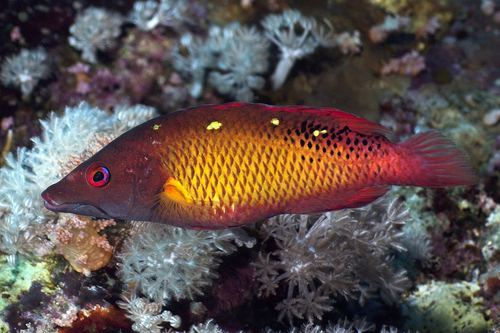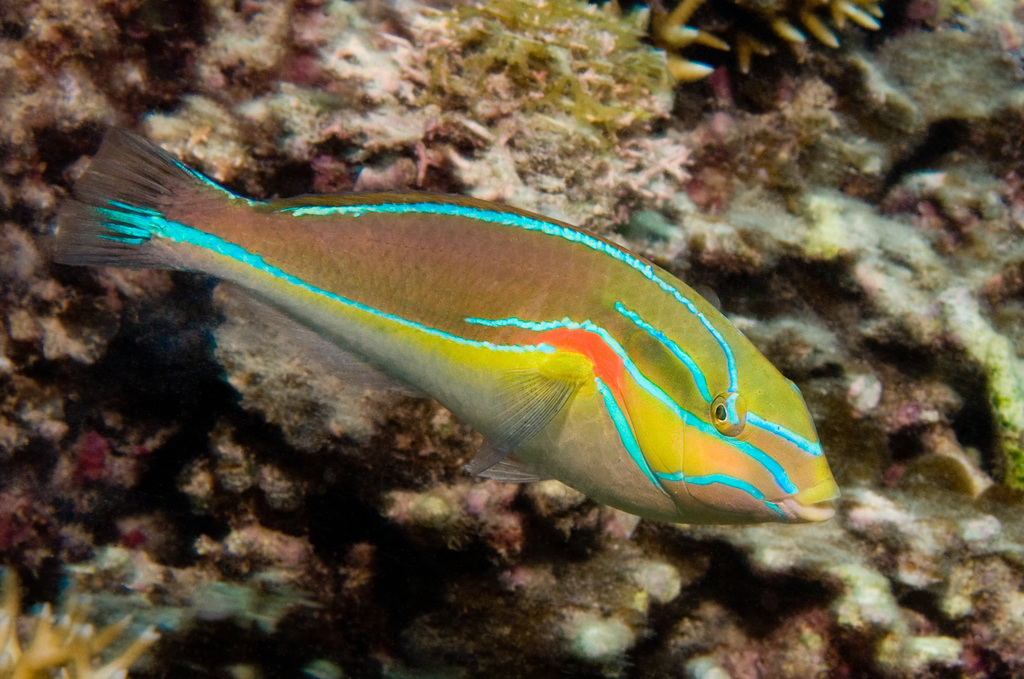
Orange-Band Wrasses
Stethojulis sp.
In Stock
Common stock
Wild Caught
Moderate care
With Caution
SKU: CB-MF-0143
The Orange-Band Wrasses (Stethojulis sp.) are vibrant marine fish known for their striking coloration and dynamic behavior.
Pricing for Verified Importers
Log in to see wholesale prices and order.
Export Size
up to 15.0 cm
Origin
Indo-Pacific
Temperature
24.0–28.0°C
Min. Tank Size
150 L
Salinity
1.020–1.025 ppt
pH
8.10–8.40
Diet
carnivore
Orange-Band Wrasses (Stethojulis sp.) are a captivating species found predominantly in the coral reefs of the Indo-Pacific region, particularly around Bali, Indonesia. Their vivid orange bands are complemented by a range of colors, including blues and greens, making them a popular choice among aquarium enthusiasts. As part of the Labridae family, these fish exhibit a slender, elongated body, which is both streamlined for swimming and attractive to the eye. Adult Orange-Band Wrasses can reach a maximum length of approximately 15 cm (6 inches), displaying a variety of patterns that can change with their mood and environment.
In terms of behavior, these wrasses are known for their active and curious nature. They are often seen darting in and out of crevices in the reef, where they search for food. Their diet primarily consists of small invertebrates, making them effective pest controllers in their natural habitat. Orange-Band Wrasses are also known for their social behavior, often forming loose groups but also establishing territories, particularly during breeding seasons.
The habitat of Orange-Band Wrasses consists mainly of shallow coral reefs and rocky areas, where they find ample shelter and food. They thrive in environments rich in biodiversity, often residing in areas with plenty of corals and algae, which provide both food and hiding places. These habitats are crucial for their survival, as they rely on the structural complexity of the reef for protection from predators.
Overall, the Orange-Band Wrasses are not only beautiful additions to aquariums but also contribute to the health of coral reefs by controlling algae and invertebrate populations. Their dynamic behavior and striking appearance make them a favorite among marine aquarists, ensuring their popularity in the export market from Bali.
In terms of behavior, these wrasses are known for their active and curious nature. They are often seen darting in and out of crevices in the reef, where they search for food. Their diet primarily consists of small invertebrates, making them effective pest controllers in their natural habitat. Orange-Band Wrasses are also known for their social behavior, often forming loose groups but also establishing territories, particularly during breeding seasons.
The habitat of Orange-Band Wrasses consists mainly of shallow coral reefs and rocky areas, where they find ample shelter and food. They thrive in environments rich in biodiversity, often residing in areas with plenty of corals and algae, which provide both food and hiding places. These habitats are crucial for their survival, as they rely on the structural complexity of the reef for protection from predators.
Overall, the Orange-Band Wrasses are not only beautiful additions to aquariums but also contribute to the health of coral reefs by controlling algae and invertebrate populations. Their dynamic behavior and striking appearance make them a favorite among marine aquarists, ensuring their popularity in the export market from Bali.
For successful care of Orange-Band Wrasses, providing optimal water parameters is essential. They thrive in temperatures between 24°C and 28°C, with a salinity range of 1.020 to 1.025 ppt, and a pH level maintained between 8.1 and 8.4. A minimum tank size of 150 liters is recommended to ensure ample swimming space and territory establishment.
Feeding these fish requires a varied diet that includes high-quality pellets, flakes, and frozen foods like mysis and brine shrimp. Regular feedings of small amounts multiple times a day will help maintain their health and vibrant colors. Compatibility is generally good, as they are peaceful fish; however, care should be taken when introducing them to smaller or more aggressive tank mates.
Acclimation to a new environment should be done slowly, using drip acclimation methods to reduce stress. Quarantining new arrivals for at least two weeks before introducing them to the main tank helps prevent the spread of disease. Overall, with proper care and attention to their specific needs, Orange-Band Wrasses can thrive in a well-maintained aquarium environment.
Feeding these fish requires a varied diet that includes high-quality pellets, flakes, and frozen foods like mysis and brine shrimp. Regular feedings of small amounts multiple times a day will help maintain their health and vibrant colors. Compatibility is generally good, as they are peaceful fish; however, care should be taken when introducing them to smaller or more aggressive tank mates.
Acclimation to a new environment should be done slowly, using drip acclimation methods to reduce stress. Quarantining new arrivals for at least two weeks before introducing them to the main tank helps prevent the spread of disease. Overall, with proper care and attention to their specific needs, Orange-Band Wrasses can thrive in a well-maintained aquarium environment.
Orange-Band Wrasses are suitable for live shipping, provided they are packed with care to minimize stress. It is recommended to use insulated boxes and maintain water temperatures between 24°C and 26°C during transit. Packing density should allow for ample oxygen exchange and movement to prevent injuries. As a non-CITES species, they do not have additional export restrictions, but compliance with local regulations is essential.
Species Parameters
Max Adult Size
15.0 cm
Origin
Indo-Pacific
Diet
carnivore
Temp Min
24.0 °C
Temp Max
28.0 °C
Salinity Min
1.020
Salinity Max
1.025
pH Min
8.10
pH Max
8.40
Min Tank
150 L