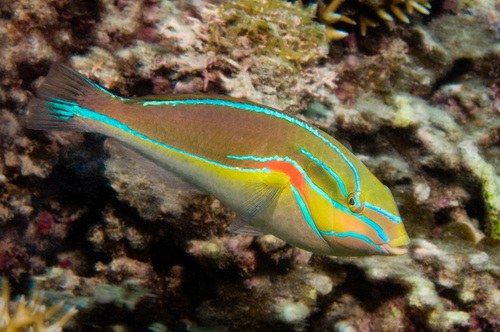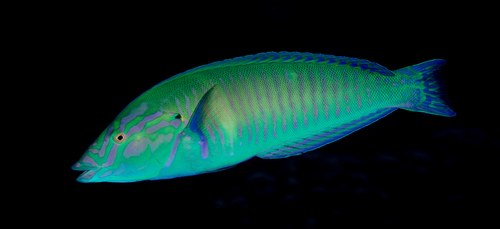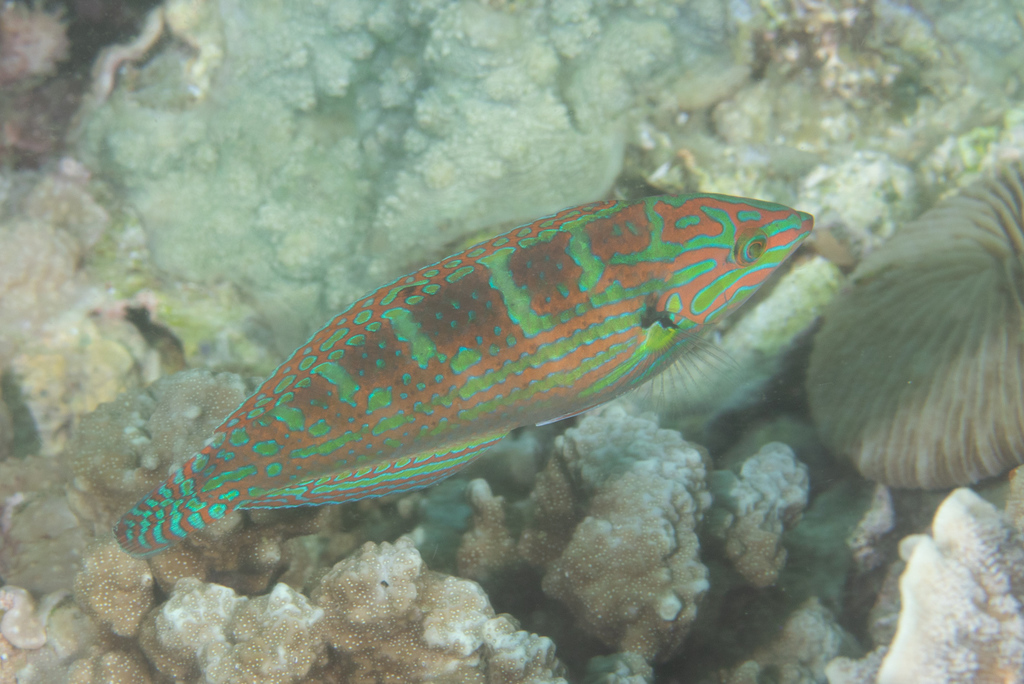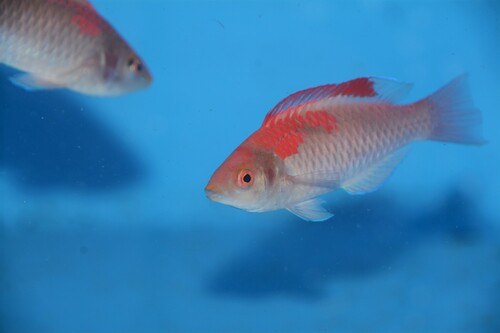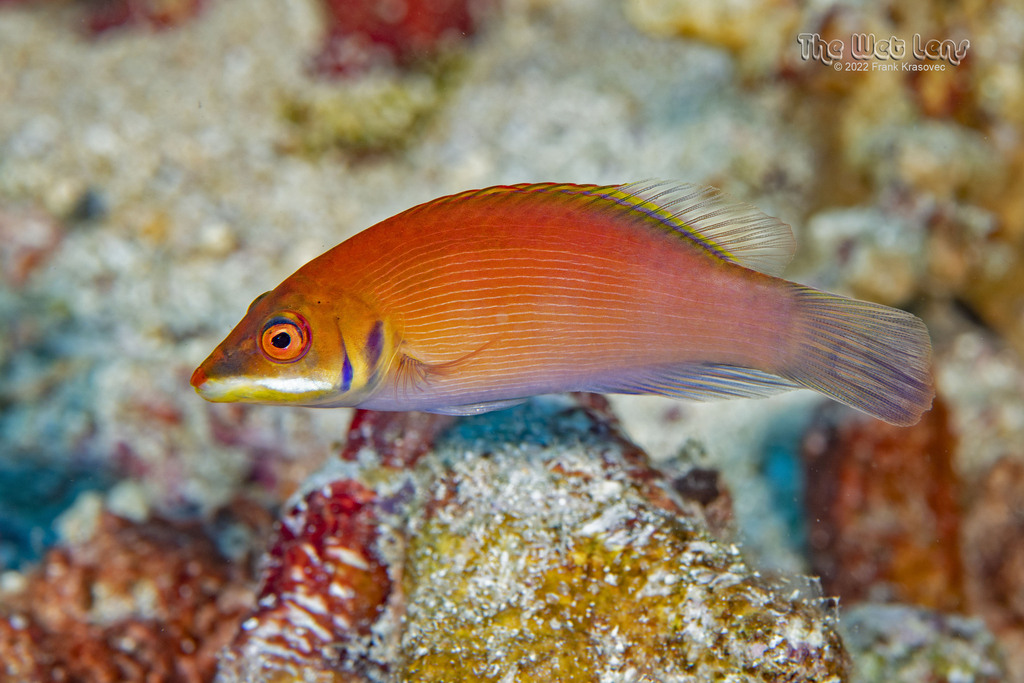
Smalltail wrasse/Pencil Wrasse
pseudojuloides cerasinus
In Stock
Common stock
Wild Caught
Moderate care
With Caution
SKU: ML-MF-0423
The Smalltail wrasse is a vibrant marine fish, perfect for reef aquariums.
Pricing for Verified Importers
Log in to see wholesale prices and order.
Export Size
up to 12.0 cm
Origin
Indo-Pacific
Temperature
24.0–28.0°C
Min. Tank Size
150 L
Salinity
1.020–1.025 ppt
pH
8.10–8.40
Diet
carnivore
The Smalltail wrasse, scientifically known as Pseudojuloides cerasinus, is a captivating marine fish native to the coral reefs of the Indo-Pacific region. This species is renowned for its striking coloration, adorned with vivid blues and yellows that make it a favorite among aquarists. Their slender bodies and unique small tails allow them to dart gracefully among the corals, showcasing their agility and beauty.
In their natural habitat, Smalltail wrasses inhabit shallow reef areas, typically found at depths of 5 to 30 meters. They prefer sandy substrates where they can hide and forage for small invertebrates. These fish are often seen in pairs or small groups, displaying a social behavior that adds to their charm. The males are usually more vibrantly colored than females, especially during breeding displays.
Behaviorally, Smalltail wrasses are active swimmers and exhibit a curious nature. They are known to be relatively bold, often exploring their surroundings and interacting with other reef inhabitants. Their diet primarily consists of small crustaceans and zooplankton, making them essential components of the reef ecosystem, helping to control populations of these organisms.
As a species, they play a critical role in the health of coral reefs, contributing to the biodiversity that supports numerous marine life forms. Their vibrant appearance and lively disposition make them a desirable addition to both home aquariums and public aquaria around the world.
In their natural habitat, Smalltail wrasses inhabit shallow reef areas, typically found at depths of 5 to 30 meters. They prefer sandy substrates where they can hide and forage for small invertebrates. These fish are often seen in pairs or small groups, displaying a social behavior that adds to their charm. The males are usually more vibrantly colored than females, especially during breeding displays.
Behaviorally, Smalltail wrasses are active swimmers and exhibit a curious nature. They are known to be relatively bold, often exploring their surroundings and interacting with other reef inhabitants. Their diet primarily consists of small crustaceans and zooplankton, making them essential components of the reef ecosystem, helping to control populations of these organisms.
As a species, they play a critical role in the health of coral reefs, contributing to the biodiversity that supports numerous marine life forms. Their vibrant appearance and lively disposition make them a desirable addition to both home aquariums and public aquaria around the world.
To ensure the well-being of the Smalltail wrasse, maintaining optimal water conditions is crucial. The ideal temperature range for this species is between 24°C to 28°C, with a salinity level of 1.020 to 1.025 ppt. The pH should be maintained between 8.1 and 8.4 to mimic their natural habitat. A minimum tank size of 150 liters is recommended to provide ample swimming space and hiding spots.
Feeding the Smalltail wrasse should include a varied diet of high-quality marine flakes, pellets, and frozen foods like brine shrimp, mysis shrimp, and other small invertebrates. Regular feeding ensures they receive the necessary nutrients and maintains their vibrant coloration. Compatibility with other species is generally good, but care should be taken to avoid aggressive tank mates that may stress them.
Acclimating Smalltail wrasses should be done gradually to reduce stress. Introduce them to the tank using the drip acclimation method over several hours. Quarantine new arrivals for at least two weeks to monitor for diseases and parasites before introducing them to the main display tank. This practice will help maintain a healthy aquarium environment.
Feeding the Smalltail wrasse should include a varied diet of high-quality marine flakes, pellets, and frozen foods like brine shrimp, mysis shrimp, and other small invertebrates. Regular feeding ensures they receive the necessary nutrients and maintains their vibrant coloration. Compatibility with other species is generally good, but care should be taken to avoid aggressive tank mates that may stress them.
Acclimating Smalltail wrasses should be done gradually to reduce stress. Introduce them to the tank using the drip acclimation method over several hours. Quarantine new arrivals for at least two weeks to monitor for diseases and parasites before introducing them to the main display tank. This practice will help maintain a healthy aquarium environment.
Smalltail wrasses are suitable for shipping, provided they are packed securely to minimize movement and stress. A packing density of 1 fish per 5 liters is recommended to ensure adequate space during transport. These fish are sensitive to temperature fluctuations, so maintaining a consistent temperature between 24°C to 28°C during shipping is essential. The Smalltail wrasse is not listed under CITES, allowing for easier export processes.
Species Parameters
Max Adult Size
12.0 cm
Origin
Indo-Pacific
Diet
carnivore
Temp Min
24.0 °C
Temp Max
28.0 °C
Salinity Min
1.020
Salinity Max
1.025
pH Min
8.10
pH Max
8.40
Min Tank
150 L