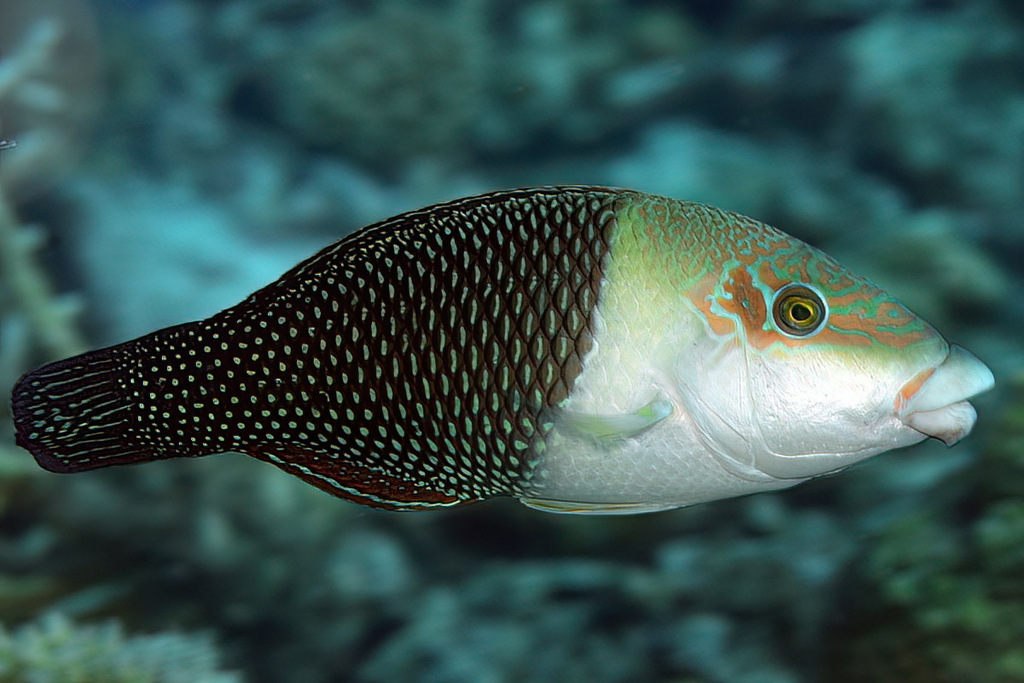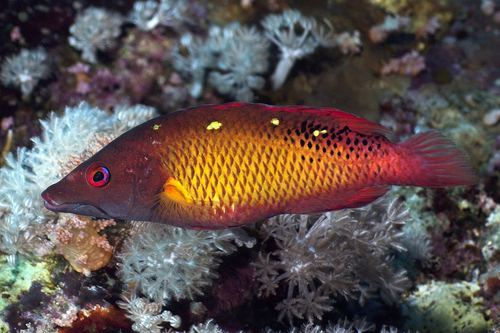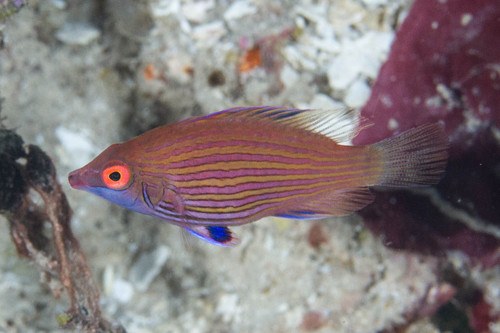
Pelvic-spot Wrasse
Pseudocheilinops ataenia
In Stock
Common stock
Wild Caught
Moderate care
With Caution
SKU: CB-MF-0142
The Pelvic-spot Wrasse is a unique marine fish known for its vibrant colors and small size, perfect for reef aquariums.
Pricing for Verified Importers
Log in to see wholesale prices and order.
Export Size
up to 6.5 cm
Origin
Indo-Pacific
Temperature
24.0–28.0°C
Min. Tank Size
50 L
Salinity
1.020–1.025 ppt
pH
8.10–8.40
Diet
carnivore
The Pelvic-spot Wrasse (Pseudocheilinops ataenia), also referred to as the midget wrasse or pink-streaked wrasse, is a small yet striking member of the wrasse family. This species is native to the tropical waters of the western Pacific Ocean and is primarily found in coral reef habitats. It thrives in areas with minimal wave action, typically residing at depths ranging from 5 to 15 meters. As the only known representative of its genus, the Pelvic-spot Wrasse holds a distinctive position in marine biodiversity.
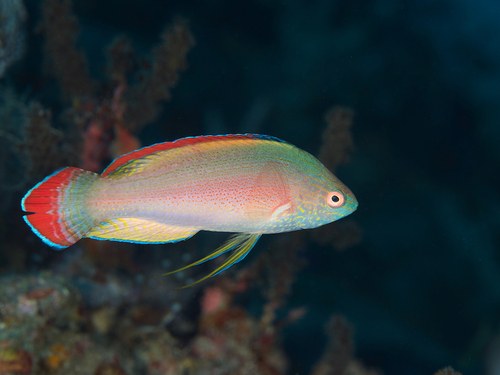
Characteristically, the Pelvic-spot Wrasse reaches a maximum length of approximately 6.5 cm (2.6 inches). Its appearance is marked by vibrant coloration, which can include shades of pink and blue, accentuated by unique pelvic spots that add to its charm. This coloration not only makes it an attractive addition to aquariums but also plays a role in its behavioral interactions. Social and sometimes territorial, these wrasses exhibit interesting behaviors that can be fascinating to observe in a home or commercial aquarium setting.
In terms of behavior, Pelvic-spot Wrasses are known for their active swimming patterns, often darting between corals and rocks in search of small invertebrates to eat. Their diet primarily consists of small crustaceans and zooplankton, highlighting their role in the reef ecosystem. These fish are generally peaceful but can exhibit territoriality, especially in confined spaces, making proper tank sizing and species selection crucial for maintaining harmony in community tanks.
Overall, the Pelvic-spot Wrasse is not only an aesthetically pleasing species but also an important one for maintaining the delicate balance of reef environments. Its unique characteristics make it a sought-after fish for both hobbyists and commercial exporters alike.
Characteristically, the Pelvic-spot Wrasse reaches a maximum length of approximately 6.5 cm (2.6 inches). Its appearance is marked by vibrant coloration, which can include shades of pink and blue, accentuated by unique pelvic spots that add to its charm. This coloration not only makes it an attractive addition to aquariums but also plays a role in its behavioral interactions. Social and sometimes territorial, these wrasses exhibit interesting behaviors that can be fascinating to observe in a home or commercial aquarium setting.
In terms of behavior, Pelvic-spot Wrasses are known for their active swimming patterns, often darting between corals and rocks in search of small invertebrates to eat. Their diet primarily consists of small crustaceans and zooplankton, highlighting their role in the reef ecosystem. These fish are generally peaceful but can exhibit territoriality, especially in confined spaces, making proper tank sizing and species selection crucial for maintaining harmony in community tanks.
Overall, the Pelvic-spot Wrasse is not only an aesthetically pleasing species but also an important one for maintaining the delicate balance of reef environments. Its unique characteristics make it a sought-after fish for both hobbyists and commercial exporters alike.
To successfully care for the Pelvic-spot Wrasse, it is essential to maintain specific water parameters. Ideal temperature ranges from 24°C to 28°C, with salinity levels between 1.020 to 1.025 ppt. The pH should be kept between 8.1 and 8.4 to ensure optimal health. A minimum tank size of 50 liters is recommended to provide ample swimming space and territory.
Feeding this species is straightforward, as they thrive on a diet rich in protein. High-quality marine flakes, small pellets, and live or frozen foods such as brine shrimp and mysis shrimp will support their nutritional needs. It is advisable to feed them multiple times a day in small amounts to mimic their natural feeding behavior and keep them healthy.
When introducing Pelvic-spot Wrasses to a new environment, gradual acclimation is crucial. Drip acclimation over several hours can help them adjust to different water conditions. Quarantining new arrivals for at least two weeks before adding them to the main tank is recommended to prevent the introduction of diseases. Compatibility with other species is generally favorable, but caution should be exercised when pairing with other wrasses to avoid territorial disputes.
Overall, the Pelvic-spot Wrasse is relatively easy to care for, making it an excellent choice for both novice and experienced aquarists. Ensuring proper tank conditions and diet will lead to a vibrant and healthy specimen.
Feeding this species is straightforward, as they thrive on a diet rich in protein. High-quality marine flakes, small pellets, and live or frozen foods such as brine shrimp and mysis shrimp will support their nutritional needs. It is advisable to feed them multiple times a day in small amounts to mimic their natural feeding behavior and keep them healthy.
When introducing Pelvic-spot Wrasses to a new environment, gradual acclimation is crucial. Drip acclimation over several hours can help them adjust to different water conditions. Quarantining new arrivals for at least two weeks before adding them to the main tank is recommended to prevent the introduction of diseases. Compatibility with other species is generally favorable, but caution should be exercised when pairing with other wrasses to avoid territorial disputes.
Overall, the Pelvic-spot Wrasse is relatively easy to care for, making it an excellent choice for both novice and experienced aquarists. Ensuring proper tank conditions and diet will lead to a vibrant and healthy specimen.
The Pelvic-spot Wrasse is suitable for shipping, provided that proper care is taken during transit. Packing density should be moderate to allow for adequate oxygen exchange, and temperatures should be maintained between 24°C to 28°C. Due to its sensitivity to temperature fluctuations, it is crucial to monitor conditions closely during transport. This species is not listed under CITES, indicating it is not currently subject to international trade restrictions.
Species Parameters
Max Adult Size
6.5 cm
Origin
Indo-Pacific
Diet
carnivore
Temp Min
24.0 °C
Temp Max
28.0 °C
Salinity Min
1.020
Salinity Max
1.025
pH Min
8.10
pH Max
8.40
Min Tank
50 L