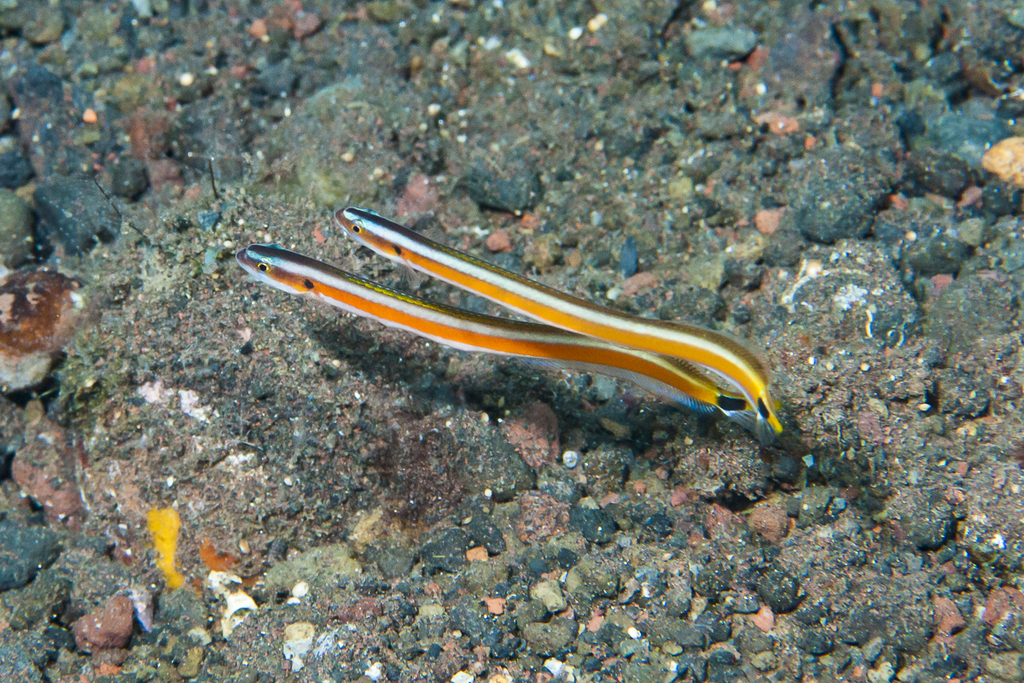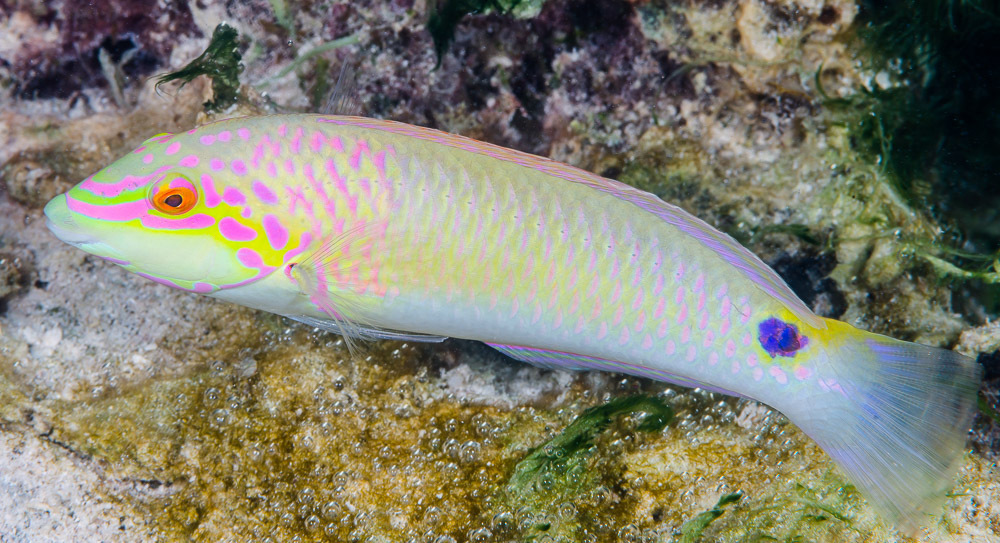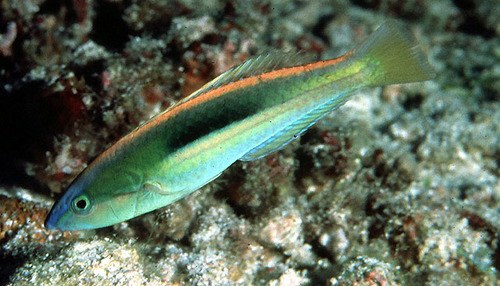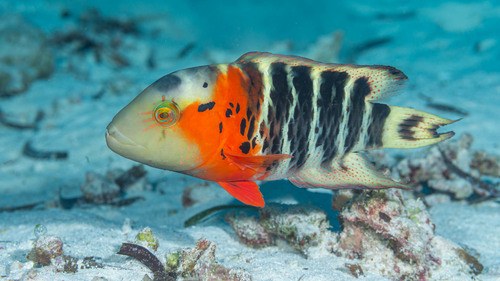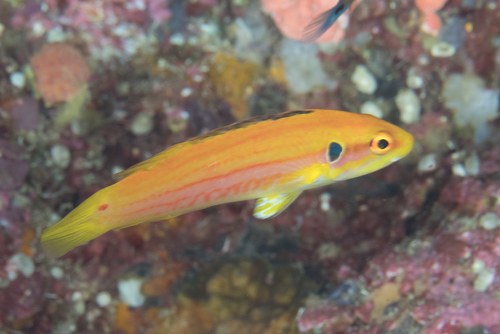
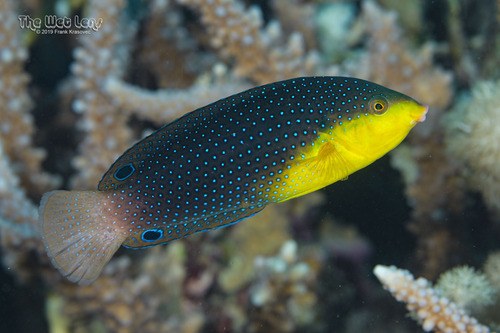
Yellow-Breasted Tamarin
Anampses twistii
In Stock
Common stock
Wild Caught
Moderate care
With Caution
SKU: CB-MF-0119
The Yellow-Breasted Tamarin is a vibrant gem of the Indo-Pacific waters.
Pricing for Verified Importers
Log in to see wholesale prices and order.
Export Size
up to 18.0 cm
Origin
Indo-Pacific
Temperature
24.0–28.0°C
Min. Tank Size
200 L
Salinity
20.000–25.000 ppt
pH
8.10–8.40
Diet
carnivore
The Yellow-Breasted Tamarin, scientifically known as Anampses twistii, is a stunning marine fish that inhabits the tropical waters of the Indo-Pacific region, extending from the Red Sea to the Tuamoto Islands. This species thrives in lagoons and coral reefs, typically found at depths ranging from 5 to 30 meters. With its striking coloration and unique patterns, it captivates both aquarists and divers alike. The Yellow-Breasted Tamarin can grow up to 18 cm (7.1 inches) in length, showcasing a beautiful blend of yellow and blue hues that enhances its appeal in the aquarium trade.
In terms of natural behavior, the Yellow-Breasted Tamarin is a diurnal species, actively foraging during the day. It primarily feeds on small invertebrates and zooplankton, using its specialized mouth structure to hunt efficiently in its reef habitat. This wrasse is known for its inquisitive nature, often seen darting among coral formations, which provides it both food and shelter from predators. Its vibrant coloration also serves as a warning to potential threats, indicating its presence in the ecosystem.
The Yellow-Breasted Tamarin plays a minor role in local commercial fisheries but has gained popularity in the aquarium trade due to its striking appearance and manageable size. Its presence in the aquarium not only adds aesthetic value but also promotes awareness of marine biodiversity and the importance of coral reef ecosystems. Conservation of its natural habitat is crucial for maintaining healthy populations of this captivating species.
As a reef-dwelling fish, the Yellow-Breasted Tamarin is often seen in small groups, displaying social behaviors that can be quite engaging for viewers. Its active lifestyle and vibrant colors make it a favorite among marine aquarists looking to create dynamic and colorful underwater environments.
In terms of natural behavior, the Yellow-Breasted Tamarin is a diurnal species, actively foraging during the day. It primarily feeds on small invertebrates and zooplankton, using its specialized mouth structure to hunt efficiently in its reef habitat. This wrasse is known for its inquisitive nature, often seen darting among coral formations, which provides it both food and shelter from predators. Its vibrant coloration also serves as a warning to potential threats, indicating its presence in the ecosystem.
The Yellow-Breasted Tamarin plays a minor role in local commercial fisheries but has gained popularity in the aquarium trade due to its striking appearance and manageable size. Its presence in the aquarium not only adds aesthetic value but also promotes awareness of marine biodiversity and the importance of coral reef ecosystems. Conservation of its natural habitat is crucial for maintaining healthy populations of this captivating species.
As a reef-dwelling fish, the Yellow-Breasted Tamarin is often seen in small groups, displaying social behaviors that can be quite engaging for viewers. Its active lifestyle and vibrant colors make it a favorite among marine aquarists looking to create dynamic and colorful underwater environments.
For successful care of the Yellow-Breasted Tamarin, it is essential to maintain optimal water parameters. Ideal temperature ranges from 24 to 28°C, with a salinity of 1.020 to 1.025 ppt. The pH should be maintained between 8.1 and 8.4 for optimal health. A minimum tank size of 200 liters is recommended to provide ample swimming space and territorial range.
Dietary needs are primarily carnivorous, focusing on high-quality frozen or live foods such as brine shrimp, mysis shrimp, and finely chopped seafood. It is advisable to feed small portions multiple times a day to mimic their natural feeding habits. Compatibility with other species should be carefully considered, as they can be territorial, especially during breeding or if overcrowded. Keeping them with similarly sized fish is recommended to avoid aggression.
Acclimation is crucial; introduce the Yellow-Breasted Tamarin slowly to avoid stress. A drip acclimation method is ideal, allowing the fish to adjust to the new water conditions gradually. Quarantine new specimens for at least two weeks before adding them to a display tank, monitoring for any signs of disease or stress. Providing a well-structured environment with plenty of hiding spots will promote comfort and reduce territorial disputes.
Dietary needs are primarily carnivorous, focusing on high-quality frozen or live foods such as brine shrimp, mysis shrimp, and finely chopped seafood. It is advisable to feed small portions multiple times a day to mimic their natural feeding habits. Compatibility with other species should be carefully considered, as they can be territorial, especially during breeding or if overcrowded. Keeping them with similarly sized fish is recommended to avoid aggression.
Acclimation is crucial; introduce the Yellow-Breasted Tamarin slowly to avoid stress. A drip acclimation method is ideal, allowing the fish to adjust to the new water conditions gradually. Quarantine new specimens for at least two weeks before adding them to a display tank, monitoring for any signs of disease or stress. Providing a well-structured environment with plenty of hiding spots will promote comfort and reduce territorial disputes.
The Yellow-Breasted Tamarin is well-suited for shipping, provided that proper care is taken during the process. Use insulated boxes and oxygenated bags to maintain water quality and temperature. A packing density of 1-2 fish per liter is recommended to reduce stress. Temperature should be kept between 24-26°C during transport to ensure their well-being. This species is not currently listed under CITES, making export procedures more straightforward.
Species Parameters
Max Adult Size
18.0 cm
Origin
Indo-Pacific
Diet
carnivore
Temp Min
24.0 °C
Temp Max
28.0 °C
Salinity Min
20.000
Salinity Max
25.000
pH Min
8.10
pH Max
8.40
Min Tank
200 L