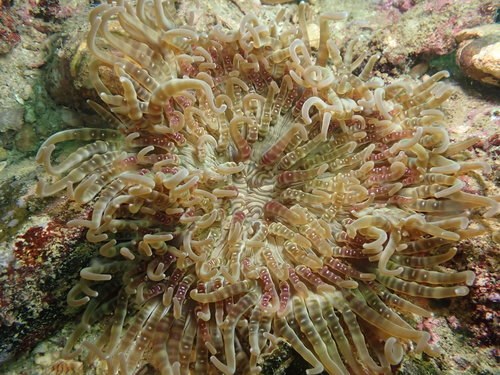
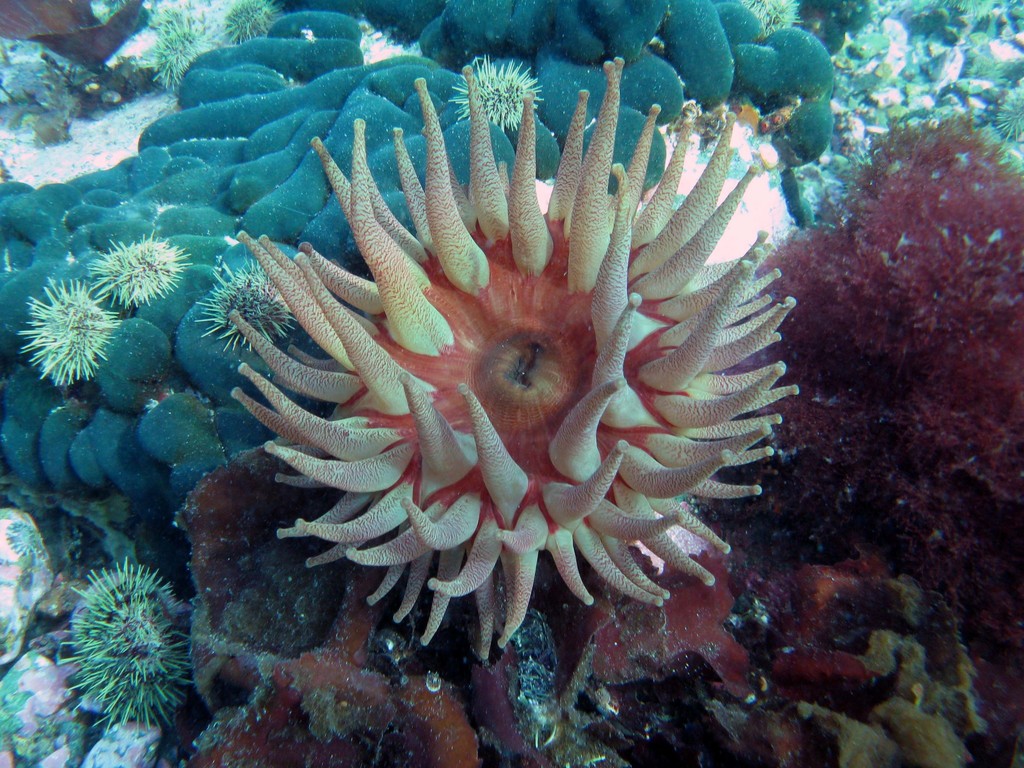
Dahlia anemone
urticina felina
In Stock
Common stock
Wild Caught
Moderate care
With Caution
SKU: ML-MF-0473
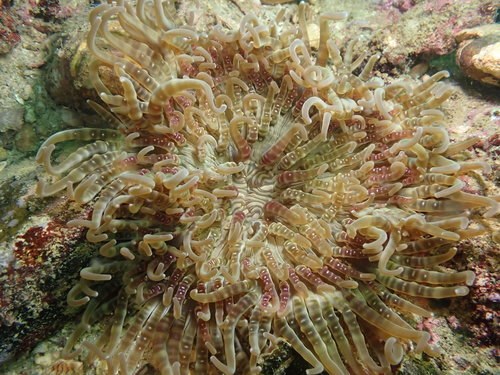
The Dahlia anemone, known for its vibrant colors and unique morphology, enhances any marine aquarium.
Pricing for Verified Importers
Log in to see wholesale prices and order.
Export Size
up to 25.0 cm
Origin
Coral Triangle
Temperature
24.0–28.0°C
Min. Tank Size
100 L
Salinity
30.000–35.000 ppt
pH
8.10–8.40
Diet
carnivore
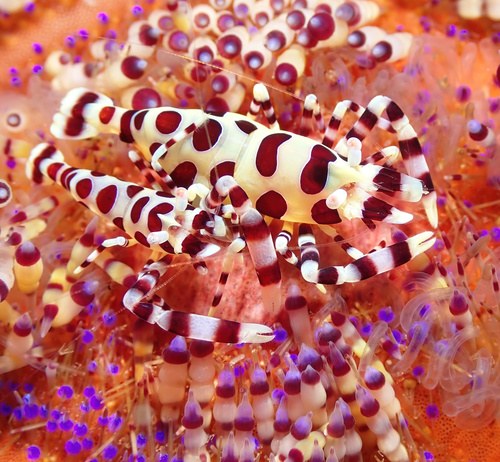
The Dahlia anemone (Urticina felina) is a captivating marine invertebrate found predominantly in the rocky substrates of the North Atlantic and parts of the Indo-Pacific region, including Bali, Indonesia. This species is notable for its striking appearance, characterized by a thick, fleshy body and long, sweeping tentacles that exhibit a range of brilliant colors, including reds, oranges, and yellows. The tentacles are equipped with specialized stinging cells called nematocysts, which serve both as a defense mechanism and a means to capture prey.
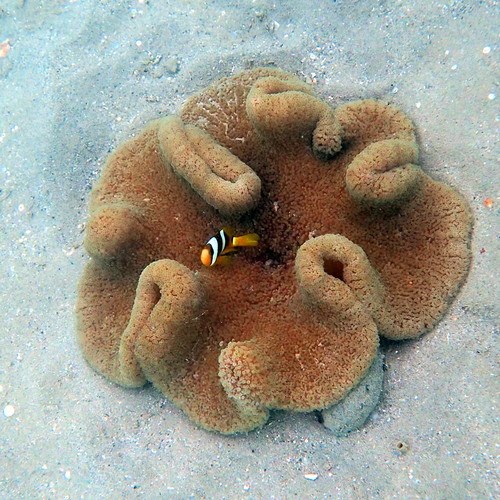
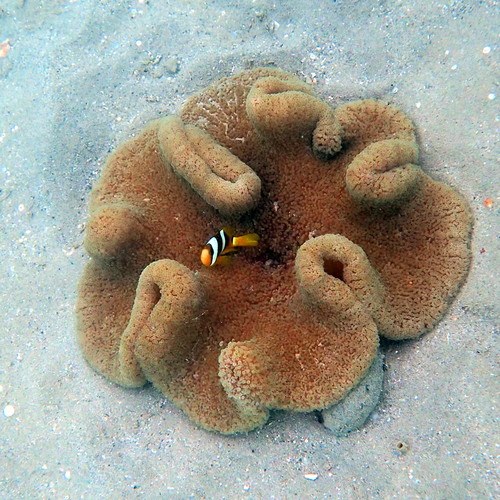
In terms of natural history, the Dahlia anemone thrives in intertidal zones, often attaching itself to rocks or coral structures. Its ability to tolerate a range of environmental conditions makes it a resilient species. The anemone exhibits a fascinating behavior of retracting its tentacles when disturbed, creating a compact form for protection. Furthermore, it engages in a symbiotic relationship with certain clownfish species, providing shelter and protection in exchange for food scraps.
The habitat of the Dahlia anemone is typically characterized by moderate water movement and ample light, making it a popular choice for reef aquarium setups. While it can thrive in various water conditions, it prefers environments rich in nutrients and with stable water parameters. This adaptability allows it to coexist with a variety of marine life, enhancing the biodiversity of reef aquariums.
Overall, the Dahlia anemone's vibrant appearance and unique behaviors make it an attractive addition to any marine aquarium, appealing to both novice and experienced aquarists alike.
In terms of natural history, the Dahlia anemone thrives in intertidal zones, often attaching itself to rocks or coral structures. Its ability to tolerate a range of environmental conditions makes it a resilient species. The anemone exhibits a fascinating behavior of retracting its tentacles when disturbed, creating a compact form for protection. Furthermore, it engages in a symbiotic relationship with certain clownfish species, providing shelter and protection in exchange for food scraps.
The habitat of the Dahlia anemone is typically characterized by moderate water movement and ample light, making it a popular choice for reef aquarium setups. While it can thrive in various water conditions, it prefers environments rich in nutrients and with stable water parameters. This adaptability allows it to coexist with a variety of marine life, enhancing the biodiversity of reef aquariums.
Overall, the Dahlia anemone's vibrant appearance and unique behaviors make it an attractive addition to any marine aquarium, appealing to both novice and experienced aquarists alike.
For importers and retailers, maintaining the Dahlia anemone requires careful attention to water parameters. Ideal temperatures range from 24°C to 28°C, with a salinity of 30 to 35 ppt. The pH should be maintained between 8.1 and 8.4 to ensure optimal health. It is crucial to provide a minimum tank size of 100 liters to accommodate their territorial nature and growth.
Feeding the Dahlia anemone primarily involves a carnivorous diet. It will thrive on a diet of finely chopped seafood, such as shrimp and fish, as well as specialized anemone food. Regular feeding every few days will promote healthy growth and vibrant coloration. Compatibility is an essential factor; it is best kept with peaceful tank mates, avoiding aggressive fish that may harass the anemone.
Acclimation should be conducted slowly, ideally over a period of several hours, to minimize stress. Quarantine of new arrivals is recommended to prevent the introduction of diseases into established tanks. By providing the right environment and care, the Dahlia anemone can flourish, adding beauty and diversity to any marine exhibition.
Feeding the Dahlia anemone primarily involves a carnivorous diet. It will thrive on a diet of finely chopped seafood, such as shrimp and fish, as well as specialized anemone food. Regular feeding every few days will promote healthy growth and vibrant coloration. Compatibility is an essential factor; it is best kept with peaceful tank mates, avoiding aggressive fish that may harass the anemone.
Acclimation should be conducted slowly, ideally over a period of several hours, to minimize stress. Quarantine of new arrivals is recommended to prevent the introduction of diseases into established tanks. By providing the right environment and care, the Dahlia anemone can flourish, adding beauty and diversity to any marine exhibition.
The Dahlia anemone is suitable for shipping, but special care must be taken to ensure their health during transit. Packing density should be low to minimize stress, and temperature should be maintained within the 24°C to 28°C range during shipping. It is important to note that while the Dahlia anemone is not currently listed under CITES, adherence to local and international regulations is necessary for responsible export.
Species Parameters
Max Adult Size
25.0 cm
Origin
Coral Triangle
Diet
carnivore
Temp Min
24.0 °C
Temp Max
28.0 °C
Salinity Min
30.000
Salinity Max
35.000
pH Min
8.10
pH Max
8.40
Min Tank
100 L