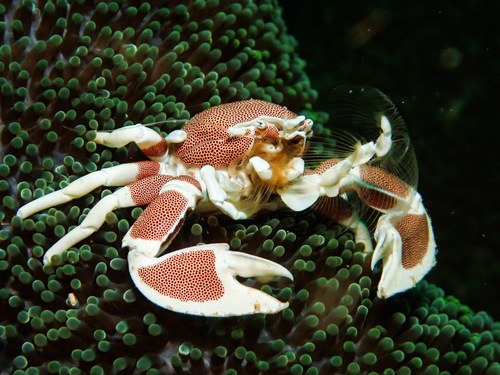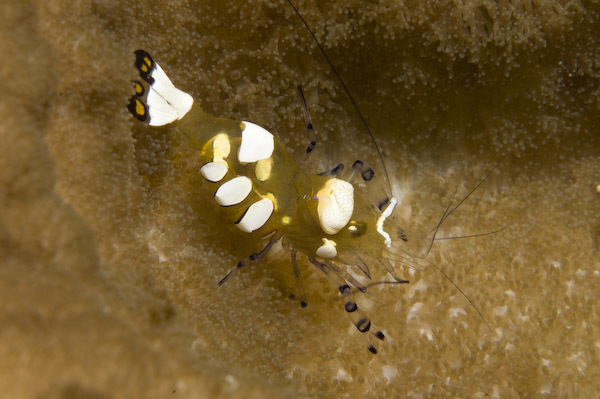
Glass Anemone Shrimp
periclimenes brevicarpalis
In Stock
Common stock
Wild Caught
Moderate care
With Caution
SKU: ML-MF-0456
Discover the vibrant Glass Anemone Shrimp, a symbiotic marvel of the reef.
Pricing for Verified Importers
Log in to see wholesale prices and order.
Export Size
up to 5.0 cm
Origin
Indo-Pacific
Temperature
24.0–28.0°C
Min. Tank Size
50 L
Salinity
1.020–1.025 ppt
pH
7.80–8.40
Diet
omnivore
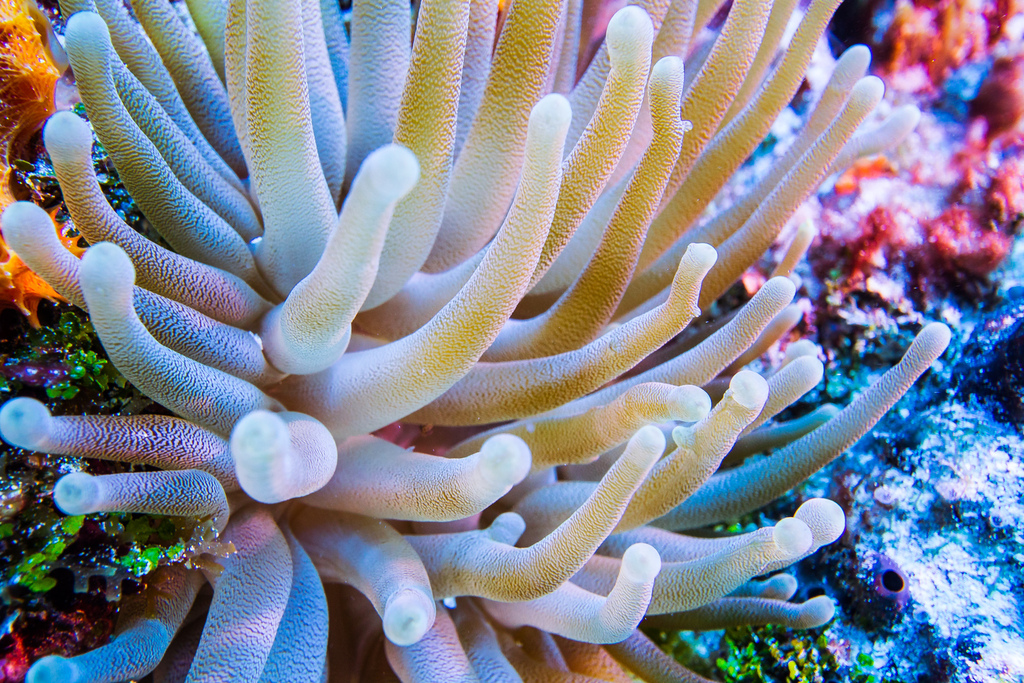
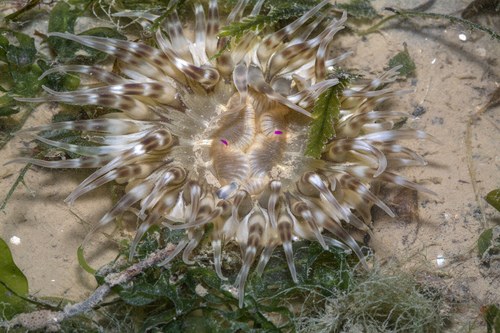
The Glass Anemone Shrimp (Periclimenes brevicarpalis) is a striking marine species known for its symbiotic relationship with sea anemones. This shrimp is easily recognizable by its translucent body adorned with bright orange markings, making it a favorite among aquarists. Found across the Indo-Pacific region, these shrimp play a vital role in their ecosystems by maintaining the health of their anemone hosts and helping control pests that might harm them.
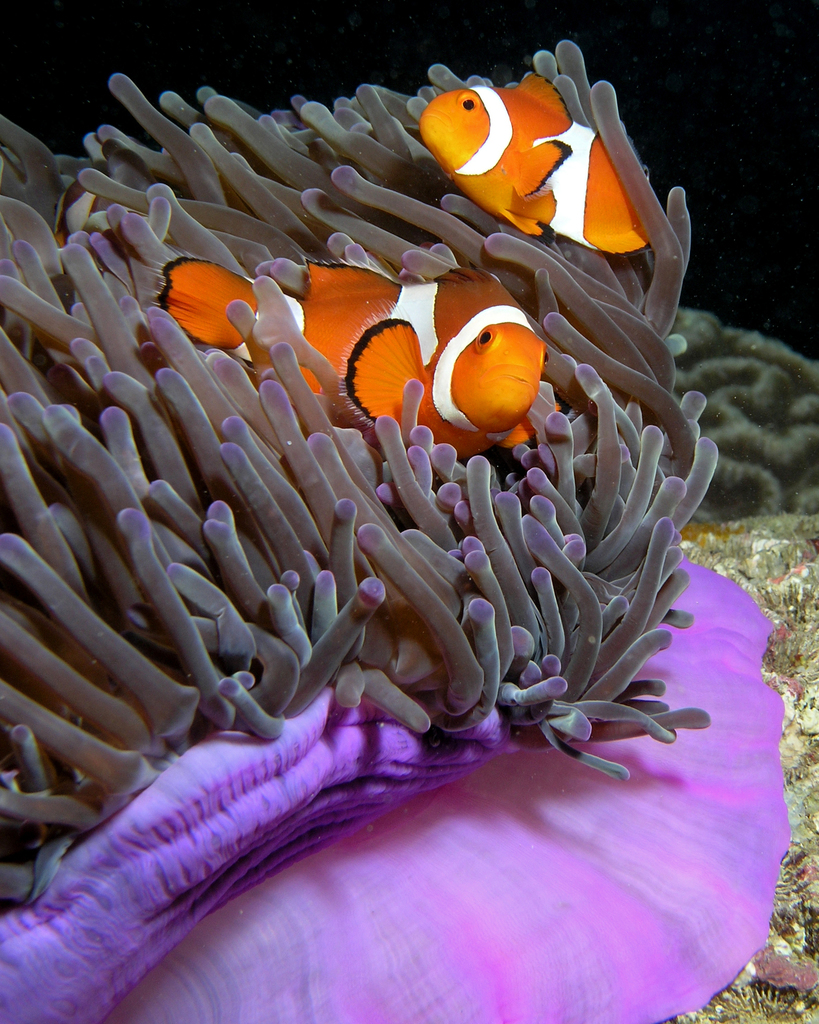
In terms of behavior, Glass Anemone Shrimp are social creatures often found in groups, exhibiting a fascinating dynamic with their anemone partners. They use their agility to navigate the tentacles of anemones, where they find protection from predators. This symbiosis not only provides safety for the shrimp but also benefits the anemones by cleaning them of debris and parasites, showcasing a remarkable example of mutualism in marine environments.
Habitat-wise, these shrimp typically inhabit shallow coral reefs, where they can easily access their anemone hosts. They thrive in warm, tropical waters, often found at depths of up to 30 meters. Their natural environment is rich in biodiversity, which helps support their dietary needs and breeding behaviors. Understanding their natural habitat is crucial for replicating the conditions necessary for their care in captivity.
With their unique appearance and interesting behaviors, Glass Anemone Shrimp are not only a beautiful addition to any marine aquarium but also serve an essential role in maintaining the health of reef ecosystems.
In terms of behavior, Glass Anemone Shrimp are social creatures often found in groups, exhibiting a fascinating dynamic with their anemone partners. They use their agility to navigate the tentacles of anemones, where they find protection from predators. This symbiosis not only provides safety for the shrimp but also benefits the anemones by cleaning them of debris and parasites, showcasing a remarkable example of mutualism in marine environments.
Habitat-wise, these shrimp typically inhabit shallow coral reefs, where they can easily access their anemone hosts. They thrive in warm, tropical waters, often found at depths of up to 30 meters. Their natural environment is rich in biodiversity, which helps support their dietary needs and breeding behaviors. Understanding their natural habitat is crucial for replicating the conditions necessary for their care in captivity.
With their unique appearance and interesting behaviors, Glass Anemone Shrimp are not only a beautiful addition to any marine aquarium but also serve an essential role in maintaining the health of reef ecosystems.
To ensure the well-being of Glass Anemone Shrimp in captivity, it is vital to maintain specific water parameters. They thrive in a temperature range of 24-28°C, with a salinity of 1.020-1.025 ppt and a pH level between 7.8 and 8.4. Regular monitoring of these parameters is essential, as fluctuations can stress the shrimp and impact their health.
Feeding should be tailored to their omnivorous diet, with a mix of high-quality marine flakes, frozen foods such as brine shrimp and mysis, and occasional algae. It’s important to provide a varied diet to ensure optimal health and coloration. Compatibility with other species is generally good, but care should be taken not to house them with aggressive fish that might see them as prey.
Acclimation is critical; slowly introduce shrimp to their new environment over several hours to reduce stress. Quarantine new arrivals for at least two weeks to prevent the spread of diseases to existing tank inhabitants. This practice is essential for both the well-being of the shrimp and the overall health of the aquarium ecosystem.
Feeding should be tailored to their omnivorous diet, with a mix of high-quality marine flakes, frozen foods such as brine shrimp and mysis, and occasional algae. It’s important to provide a varied diet to ensure optimal health and coloration. Compatibility with other species is generally good, but care should be taken not to house them with aggressive fish that might see them as prey.
Acclimation is critical; slowly introduce shrimp to their new environment over several hours to reduce stress. Quarantine new arrivals for at least two weeks to prevent the spread of diseases to existing tank inhabitants. This practice is essential for both the well-being of the shrimp and the overall health of the aquarium ecosystem.
Glass Anemone Shrimp are suitable for shipping, provided they are packed securely in oxygenated bags with adequate water. Packing density should be moderate to minimize stress during transit. They are sensitive to temperature fluctuations, so maintaining a stable environment during shipping is crucial. CITES status for this species is not applicable, allowing for easier compliance with export regulations.
Species Parameters
Max Adult Size
5.0 cm
Origin
Indo-Pacific
Diet
omnivore
Temp Min
24.0 °C
Temp Max
28.0 °C
Salinity Min
1.020
Salinity Max
1.025
pH Min
7.80
pH Max
8.40
Min Tank
50 L