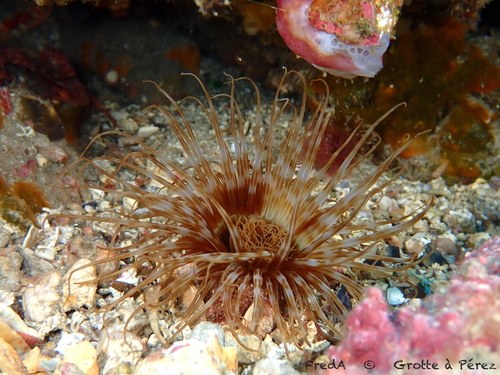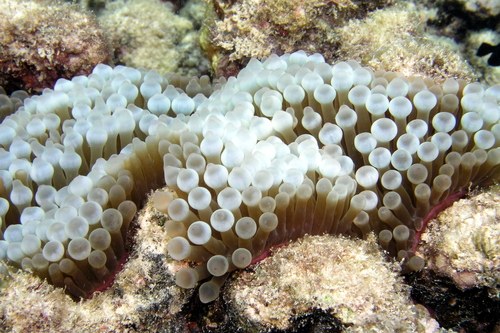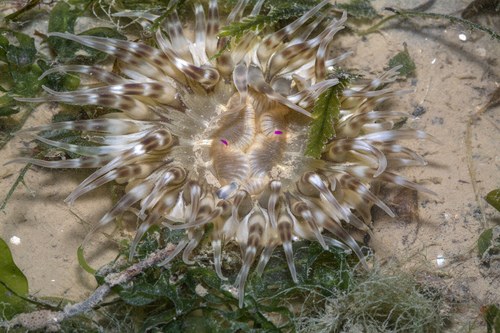
Purple Long Ttcl Anemone
Macrodactyla doreensis
In Stock
Common stock
Wild Caught
Moderate care
SKU: CB-SC-0068
The Purple Long Ttcl Anemone dazzles with vibrant colors and unique tentacle formations.
Pricing for Verified Importers
Log in to see wholesale prices and order.
Export Size
up to 30.0 cm
Origin
Indo-Pacific
Temperature
24.0–28.0°C
Min. Tank Size
100 L
Salinity
30.000–35.000 ppt
pH
8.10–8.40
Diet
carnivore
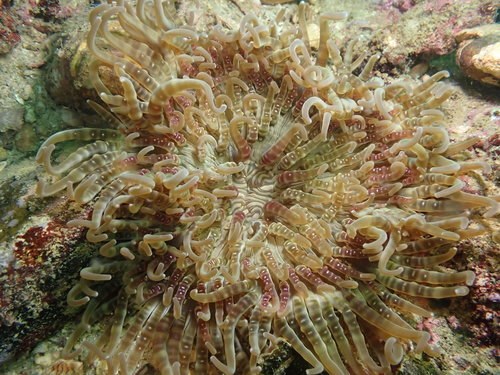
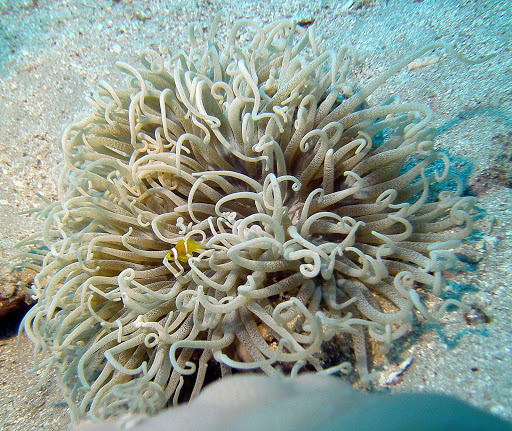
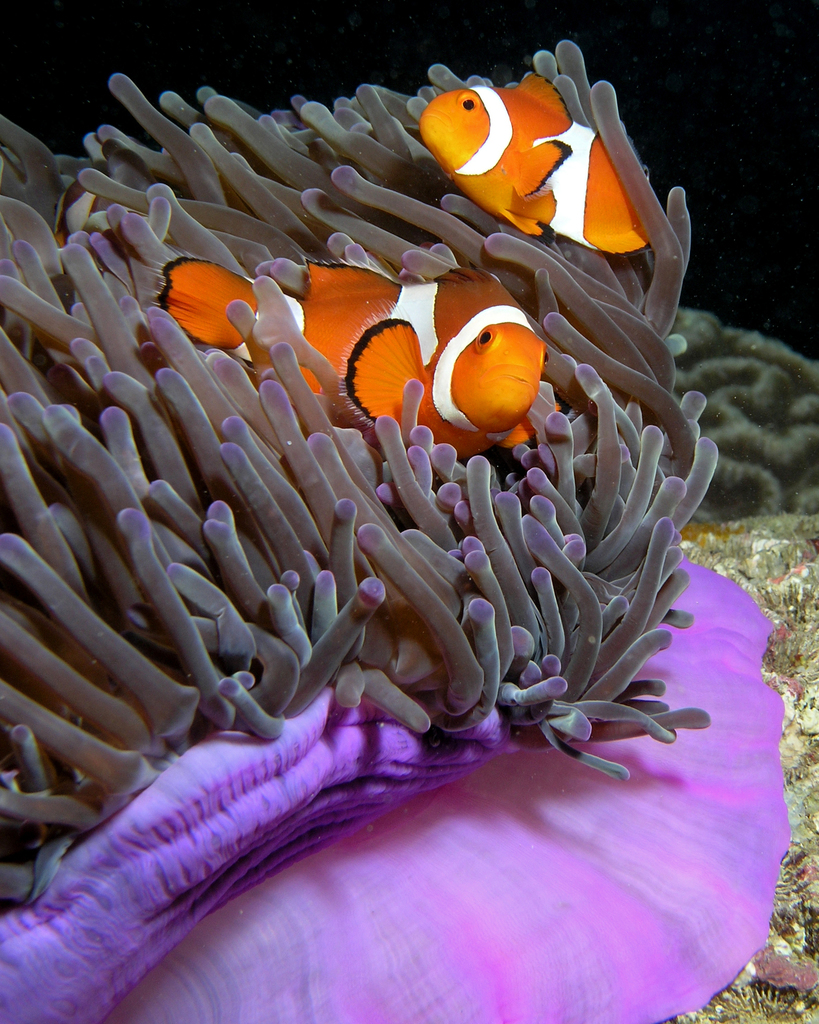
The Purple Long Ttcl Anemone, scientifically known as Macrodactyla doreensis, is an enchanting inhabitant of the Indo-Pacific region. Often referred to as the long tentacle anemone, this species is celebrated for its striking purple coloration and its long, flowing tentacles that can create a mesmerizing display in home aquariums. Its captivating appearance makes it a favorite among marine enthusiasts and aquarists alike.
In terms of natural history, the Purple Long Ttcl Anemone thrives in shallow waters, typically found in coral reefs and rocky substrates. This species has a symbiotic relationship with clownfish, which provide protection while benefiting from the anemone's stinging tentacles. The anemone's tentacles are equipped with specialized cells called nematocysts, which are used for defense and capturing prey, primarily small fish and zooplankton. Their adaptability to various marine environments contributes to their popularity in the aquarium trade.
Behaviorally, these anemones are known for their resilience and ability to thrive in captivity, making them a suitable choice for both novice and experienced aquarists. They exhibit both solitary and social behaviors, often seen swaying gently with water currents while creating a vibrant focal point in the aquarium. Their movement and responsiveness to environmental changes make them a fascinating species to observe.
The habitat of the Purple Long Ttcl Anemone is characterized by ample light and water movement, which helps sustain the health of both the anemone and its associated clownfish. They are commonly found at depths of up to 30 meters, where they can receive sufficient sunlight for their symbiotic algae, providing energy through photosynthesis. This beautiful anemone not only enhances the aesthetic appeal of marine aquariums but also plays a crucial role in the ecosystem of coral reefs.
In terms of natural history, the Purple Long Ttcl Anemone thrives in shallow waters, typically found in coral reefs and rocky substrates. This species has a symbiotic relationship with clownfish, which provide protection while benefiting from the anemone's stinging tentacles. The anemone's tentacles are equipped with specialized cells called nematocysts, which are used for defense and capturing prey, primarily small fish and zooplankton. Their adaptability to various marine environments contributes to their popularity in the aquarium trade.
Behaviorally, these anemones are known for their resilience and ability to thrive in captivity, making them a suitable choice for both novice and experienced aquarists. They exhibit both solitary and social behaviors, often seen swaying gently with water currents while creating a vibrant focal point in the aquarium. Their movement and responsiveness to environmental changes make them a fascinating species to observe.
The habitat of the Purple Long Ttcl Anemone is characterized by ample light and water movement, which helps sustain the health of both the anemone and its associated clownfish. They are commonly found at depths of up to 30 meters, where they can receive sufficient sunlight for their symbiotic algae, providing energy through photosynthesis. This beautiful anemone not only enhances the aesthetic appeal of marine aquariums but also plays a crucial role in the ecosystem of coral reefs.
For importers and retailers handling the Purple Long Ttcl Anemone, specific care parameters are essential to ensure their well-being. The ideal water temperature should range from 24°C to 28°C, with a pH level between 8.1 and 8.4. Although these anemones flourish in marine environments, they require stable salinity levels of 30-35 ppt. It is crucial to maintain excellent water quality through regular testing and filtration.
Feeding the Purple Long Ttcl Anemone is vital for its health and vitality. A diet rich in meaty foods such as shrimp, fish, and fortified marine foods is recommended, with feeding occurring 2-3 times a week. Compatibility with tank mates is favorable, particularly with clownfish, which often form a symbiotic relationship with the anemone. However, caution should be exercised with aggressive fish that may harm the anemone.
Acclimation should be conducted slowly over several hours to reduce stress on the anemone, allowing it to adjust to the new water conditions. Quarantine is also advisable before introduction into display tanks to prevent the spread of potential pathogens. By adhering to these care guidelines, retailers can ensure the Purple Long Ttcl Anemone thrives and captivates aquarium viewers.
Feeding the Purple Long Ttcl Anemone is vital for its health and vitality. A diet rich in meaty foods such as shrimp, fish, and fortified marine foods is recommended, with feeding occurring 2-3 times a week. Compatibility with tank mates is favorable, particularly with clownfish, which often form a symbiotic relationship with the anemone. However, caution should be exercised with aggressive fish that may harm the anemone.
Acclimation should be conducted slowly over several hours to reduce stress on the anemone, allowing it to adjust to the new water conditions. Quarantine is also advisable before introduction into display tanks to prevent the spread of potential pathogens. By adhering to these care guidelines, retailers can ensure the Purple Long Ttcl Anemone thrives and captivates aquarium viewers.
The Purple Long Ttcl Anemone is suitable for shipping, provided that proper care is taken during transit. Packing density should allow for adequate water circulation, and the anemones should be securely positioned to avoid damage. Temperature sensitivity is a concern; thus, maintaining a stable temperature between 24°C and 28°C during shipping is essential. Currently, there are no CITES restrictions on this species, making it easier for exporters to handle and ship responsibly.
Species Parameters
Max Adult Size
30.0 cm
Origin
Indo-Pacific
Diet
carnivore
Temp Min
24.0 °C
Temp Max
28.0 °C
Salinity Min
30.000
Salinity Max
35.000
pH Min
8.10
pH Max
8.40
Min Tank
100 L