Magnificent Anemone
Heteractis magnifica
In Stock
Common stock
Wild Caught
Moderate care
SKU: CB-SC-0054
The Magnificent Anemone is a stunning addition to any marine aquarium, known for its vibrant colors and symbiotic relationships.
Pricing for Verified Importers
Log in to see wholesale prices and order.
Export Size
up to 30.0 cm
Origin
Indo-Pacific
Temperature
24.0–28.0°C
Min. Tank Size
100 L
Salinity
35.000–35.000 ppt
pH
8.10–8.40
Diet
carnivore
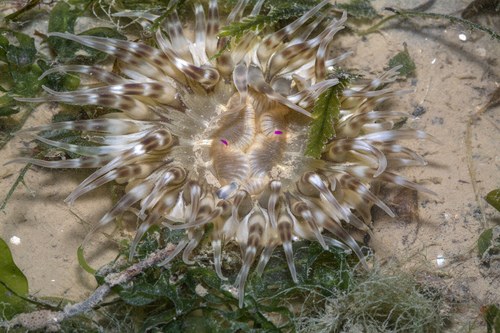
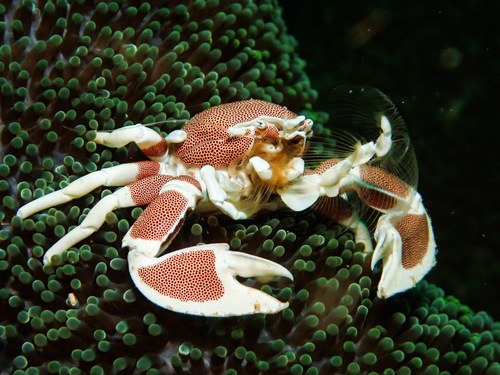
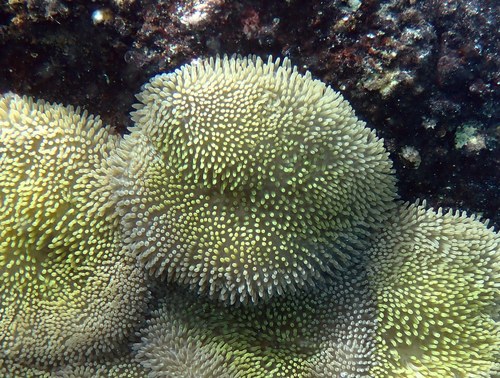
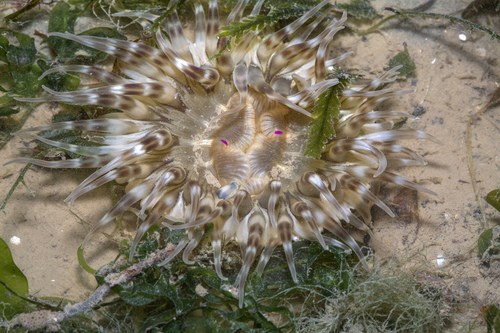
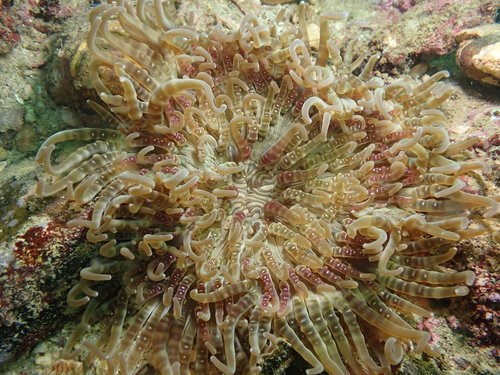
The Magnificent Anemone (Heteractis magnifica) is a large, striking invertebrate found predominantly in the warm waters of the Indo-Pacific region. This species is renowned for its vivid coloration, which can range from deep purples and blues to bright greens and yellows, making it a captivating centerpiece in reef aquariums. The anemone's long, flowing tentacles are not only visually appealing but also serve as a protective habitat for various marine species, particularly clownfish, that thrive in symbiotic relationships with them.
In its natural habitat, the Magnificent Anemone typically resides on coral reefs in shallow waters, where it can attach itself securely to the substrate. It prefers areas with good water flow and ample light, as it benefits from photosynthetic algae, known as zooxanthellae, that live within its tissues. This symbiosis allows the anemone to derive essential nutrients while providing the algae with a safe environment to thrive. The anemone is a remarkable example of marine adaptation, utilizing both its physical characteristics and its symbiotic relationships to flourish in the competitive reef ecosystem.
Behaviorally, the Magnificent Anemone displays fascinating traits. It has the ability to retract its tentacles when threatened or disturbed, showcasing its defensive mechanisms against predators. Additionally, it can expand its tentacles to capture prey, primarily consisting of small fish and zooplankton. This predatory behavior is essential for its survival, as it provides necessary sustenance alongside the benefits received from its symbiotic partners.
For aquarium enthusiasts and importers, the Magnificent Anemone represents both beauty and ecological significance, making it a desirable species for marine displays. Its role in promoting biodiversity and supporting other marine life underscores its importance in both natural and aquarium ecosystems.
In its natural habitat, the Magnificent Anemone typically resides on coral reefs in shallow waters, where it can attach itself securely to the substrate. It prefers areas with good water flow and ample light, as it benefits from photosynthetic algae, known as zooxanthellae, that live within its tissues. This symbiosis allows the anemone to derive essential nutrients while providing the algae with a safe environment to thrive. The anemone is a remarkable example of marine adaptation, utilizing both its physical characteristics and its symbiotic relationships to flourish in the competitive reef ecosystem.
Behaviorally, the Magnificent Anemone displays fascinating traits. It has the ability to retract its tentacles when threatened or disturbed, showcasing its defensive mechanisms against predators. Additionally, it can expand its tentacles to capture prey, primarily consisting of small fish and zooplankton. This predatory behavior is essential for its survival, as it provides necessary sustenance alongside the benefits received from its symbiotic partners.
For aquarium enthusiasts and importers, the Magnificent Anemone represents both beauty and ecological significance, making it a desirable species for marine displays. Its role in promoting biodiversity and supporting other marine life underscores its importance in both natural and aquarium ecosystems.
When caring for the Magnificent Anemone, maintaining optimal water parameters is crucial for its health. Ideal temperature ranges from 24 to 28 degrees Celsius, with a pH of 8.1 to 8.4. Salinity should be kept at around 35 ppt, emulating its natural reef environment. It's important to provide strong, stable water flow and adequate lighting to support the photosynthetic algae that live within its tissues.
Feeding the Magnificent Anemone should include a diet of meaty foods, such as small fish, shrimp, and zooplankton. Regular feedings every few days will ensure its nutritional needs are met. Compatibility is key; while clownfish are famous companions, care should be taken to avoid aggressive tankmates that may disturb the anemone.
Acclimation is essential when introducing the anemone to a new aquarium. A slow acclimation process, ideally over several hours, is recommended to minimize stress. Quarantine is also advised to prevent the introduction of pests or diseases. By following these care guidelines, retailers and importers can successfully maintain the health and vibrancy of the Magnificent Anemone in their aquatic offerings.
Feeding the Magnificent Anemone should include a diet of meaty foods, such as small fish, shrimp, and zooplankton. Regular feedings every few days will ensure its nutritional needs are met. Compatibility is key; while clownfish are famous companions, care should be taken to avoid aggressive tankmates that may disturb the anemone.
Acclimation is essential when introducing the anemone to a new aquarium. A slow acclimation process, ideally over several hours, is recommended to minimize stress. Quarantine is also advised to prevent the introduction of pests or diseases. By following these care guidelines, retailers and importers can successfully maintain the health and vibrancy of the Magnificent Anemone in their aquatic offerings.
The Magnificent Anemone is generally suitable for shipping, provided proper care is taken during transit. It should be packed in well-oxygenated bags with minimal water to reduce movement. Maintaining temperatures between 22 and 26 degrees Celsius is crucial, as this species can be sensitive to temperature fluctuations. CITES status for Heteractis magnifica is not listed under any appendices, but it is always best to ensure compliance with local regulations.
Species Parameters
Max Adult Size
30.0 cm
Origin
Indo-Pacific
Diet
carnivore
Temp Min
24.0 °C
Temp Max
28.0 °C
Salinity Min
35.000
Salinity Max
35.000
pH Min
8.10
pH Max
8.40
Min Tank
100 L