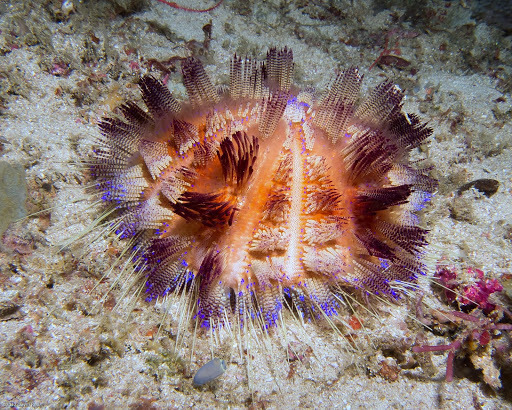
Flute Sea urchin
toxopneustes pileolus
In Stock
Common stock
Wild Caught
Moderate care
With Caution
SKU: ML-MF-0539
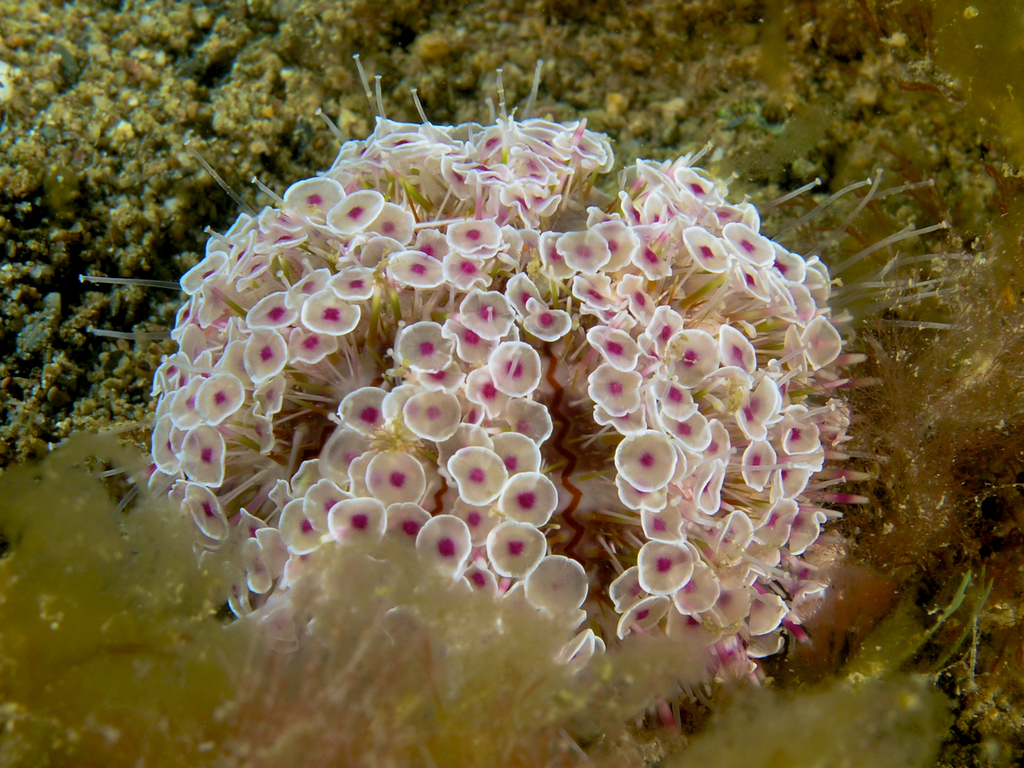
The Flute Sea urchin stands out with its vibrant colors and unique shape, making it a captivating addition to marine displays.
Pricing for Verified Importers
Log in to see wholesale prices and order.
Export Size
up to 20.0 cm
Origin
Indo-Pacific
Temperature
24.0–28.0°C
Min. Tank Size
100 L
Salinity
30.000–35.000 ppt
pH
8.10–8.40
Diet
herbivore
The Flute Sea urchin (Toxopneustes pileolus) is a striking marine echinoderm known for its distinctive fluted appearance and vibrant coloration. This species is commonly found in shallow waters across the Indo-Pacific region, thriving in coral reefs and rocky substrates. Its unique morphology features elongated, rib-like spines that not only serve as protection against predators but also enhance its aesthetic appeal for aquarium enthusiasts.
In terms of behavior, the Flute Sea urchin is primarily nocturnal, emerging from crevices and hiding spots during the night to graze on algae and detritus. During the day, it tends to remain hidden, camouflaged among the rocks and coral, which helps it avoid predation. Its feeding habits play a crucial role in maintaining the ecological balance of its habitat by controlling algal growth and contributing to the overall health of the reef ecosystem.
The natural habitat of Toxopneustes pileolus includes both sandy and rocky substrates, where it can find ample food sources and shelter. This species prefers warm water temperatures typical of tropical environments, generally found at depths of up to 30 meters. The Flute Sea urchin's adaptability to various marine conditions further underscores its importance in the aquatic ecosystem, making it a valuable species for marine conservation efforts.
As a unique marine invertebrate, the Flute Sea urchin is not only a fascinating subject for study but also a visually appealing specimen for public aquariums and private collectors alike. Its vivid colors and intriguing behavior make it a popular choice among marine aquarium enthusiasts, contributing to its demand in the global marine life trade.
In terms of behavior, the Flute Sea urchin is primarily nocturnal, emerging from crevices and hiding spots during the night to graze on algae and detritus. During the day, it tends to remain hidden, camouflaged among the rocks and coral, which helps it avoid predation. Its feeding habits play a crucial role in maintaining the ecological balance of its habitat by controlling algal growth and contributing to the overall health of the reef ecosystem.
The natural habitat of Toxopneustes pileolus includes both sandy and rocky substrates, where it can find ample food sources and shelter. This species prefers warm water temperatures typical of tropical environments, generally found at depths of up to 30 meters. The Flute Sea urchin's adaptability to various marine conditions further underscores its importance in the aquatic ecosystem, making it a valuable species for marine conservation efforts.
As a unique marine invertebrate, the Flute Sea urchin is not only a fascinating subject for study but also a visually appealing specimen for public aquariums and private collectors alike. Its vivid colors and intriguing behavior make it a popular choice among marine aquarium enthusiasts, contributing to its demand in the global marine life trade.
For successful import and care of the Flute Sea urchin, maintaining optimal water parameters is crucial. The ideal temperature range is between 24°C to 28°C, with a salinity of 30-35 ppt. Regular monitoring of pH levels is also important, ideally keeping it between 8.1 to 8.4. A minimum tank size of 100 liters is recommended to provide adequate space and stable conditions.
Feeding the Flute Sea urchin requires a diet rich in algae, as they are primarily herbivorous. Offer a variety of algae-based foods, such as spirulina flakes or blanched vegetables, to ensure proper nutrition. Compatibility with other marine species is generally good; however, it is best to avoid keeping them with aggressive fish that may disturb their habitat or feeding behavior.
Acclimation is critical when introducing the Flute Sea urchin to a new environment. Gradual acclimatization over several hours is recommended to minimize stress. Additionally, a quarantine period of at least two weeks is advisable to prevent the introduction of any potential pathogens to an established aquarium. Overall, with the right care and attention, the Flute Sea urchin can thrive in captivity, offering both aesthetic and ecological benefits.
Feeding the Flute Sea urchin requires a diet rich in algae, as they are primarily herbivorous. Offer a variety of algae-based foods, such as spirulina flakes or blanched vegetables, to ensure proper nutrition. Compatibility with other marine species is generally good; however, it is best to avoid keeping them with aggressive fish that may disturb their habitat or feeding behavior.
Acclimation is critical when introducing the Flute Sea urchin to a new environment. Gradual acclimatization over several hours is recommended to minimize stress. Additionally, a quarantine period of at least two weeks is advisable to prevent the introduction of any potential pathogens to an established aquarium. Overall, with the right care and attention, the Flute Sea urchin can thrive in captivity, offering both aesthetic and ecological benefits.
The Flute Sea urchin is suitable for shipping, provided it is packed securely to prevent damage during transit. A packing density of 1-2 individuals per liter of water is recommended to ensure sufficient space and oxygen. Temperature stability is vital; ideally, shipping should be conducted at temperatures between 22°C and 26°C. This species is not listed under CITES, making it easier for export and trade.
Species Parameters
Max Adult Size
20.0 cm
Origin
Indo-Pacific
Diet
herbivore
Temp Min
24.0 °C
Temp Max
28.0 °C
Salinity Min
30.000
Salinity Max
35.000
pH Min
8.10
pH Max
8.40
Min Tank
100 L