
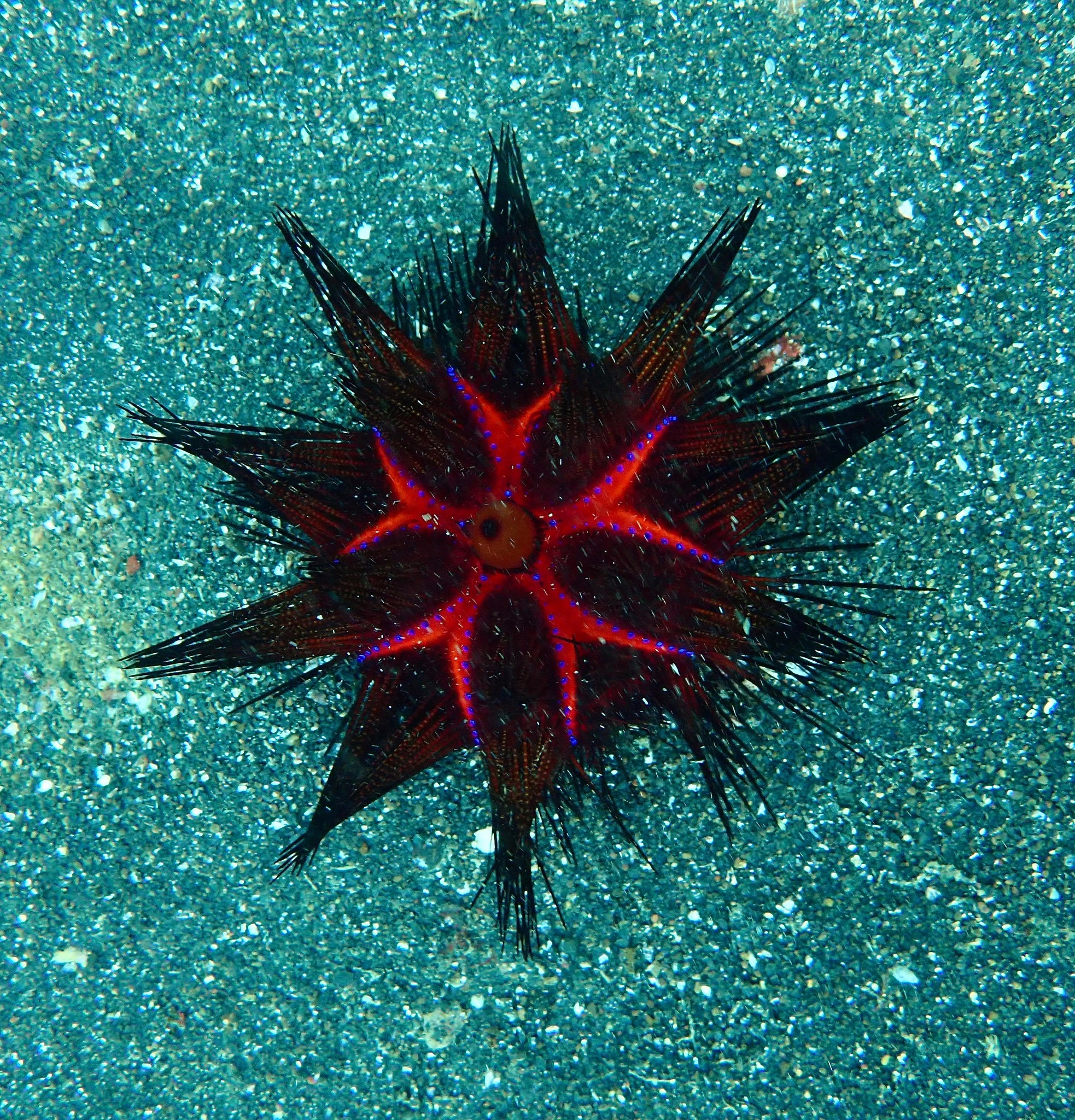
Star Urchin
astropyga radiata
In Stock
Common stock
Wild Caught
Moderate care
With Caution
SKU: ML-MF-0526
Discover the vibrant beauty of the Star Urchin, a unique marine species endemic to tropical waters.
Pricing for Verified Importers
Log in to see wholesale prices and order.
Export Size
up to 25.0 cm
Origin
Indo-Pacific
Temperature
24.0–28.0°C
Min. Tank Size
200 L
Salinity
32.000–35.000 ppt
pH
8.10–8.40
Diet
herbivore
The Star Urchin (Astropyga radiata) is an intriguing marine echinoderm found primarily in the warm waters of the Indo-Pacific region. Known for its stunning coloration and distinctive star-like pattern, this species typically features a round, flattened body adorned with long, spiny tubercles that offer both protection and a striking visual appeal. Ranging in colors from deep blues to vibrant oranges and purples, the Star Urchin is a favorite among marine enthusiasts and collectors alike.
In terms of natural history, Star Urchins inhabit coral reefs and rocky substrates, where they play an essential role in the ecosystem as herbivores. They graze on algae and detritus, helping to maintain the balance of reef systems. Their unique feeding behavior involves using their tube feet to move across the substrate, allowing them to efficiently consume available food sources. This adaptability in diet contributes to their resilience in various marine environments.
Behaviorally, Star Urchins are relatively slow-moving creatures that exhibit a unique form of locomotion through their tube feet, which are powered by a water vascular system. They can often be found partially buried in sand or hiding among rocks during the day, emerging primarily at night to forage for food. Their spines serve not only as a defense mechanism against predators but also as a means of camouflage within their natural habitat.
The habitat of the Star Urchin is primarily shallow coral reefs, where they thrive in warm, clear waters. They are commonly found at depths of 1 to 30 meters, often residing in crevices or under ledges where they can find shelter from strong currents and predators. This species is particularly sensitive to environmental changes, making them important indicators of reef health.
In terms of natural history, Star Urchins inhabit coral reefs and rocky substrates, where they play an essential role in the ecosystem as herbivores. They graze on algae and detritus, helping to maintain the balance of reef systems. Their unique feeding behavior involves using their tube feet to move across the substrate, allowing them to efficiently consume available food sources. This adaptability in diet contributes to their resilience in various marine environments.
Behaviorally, Star Urchins are relatively slow-moving creatures that exhibit a unique form of locomotion through their tube feet, which are powered by a water vascular system. They can often be found partially buried in sand or hiding among rocks during the day, emerging primarily at night to forage for food. Their spines serve not only as a defense mechanism against predators but also as a means of camouflage within their natural habitat.
The habitat of the Star Urchin is primarily shallow coral reefs, where they thrive in warm, clear waters. They are commonly found at depths of 1 to 30 meters, often residing in crevices or under ledges where they can find shelter from strong currents and predators. This species is particularly sensitive to environmental changes, making them important indicators of reef health.
When caring for Star Urchins in captivity, it is crucial to replicate their natural habitat as closely as possible. Ideal water parameters include a temperature range of 24-28°C, a salinity level of 32-35 ppt, and a pH range of 8.1-8.4. Maintaining stable water quality is essential, as fluctuations can stress the urchin and impact its health.
Feeding Star Urchins can be done with a varied diet of algae, seaweed, and specially formulated herbivore pellets. They require a consistent food source to thrive, and providing a variety of options will help ensure they receive all necessary nutrients. It's also important to monitor their compatibility with other tank inhabitants, as some fish may nip at their spines or disturb them.
Acclimation is a vital process for newly imported Star Urchins. Gradually introduce them to the aquarium environment using a drip acclimation method over several hours to minimize stress. Quarantine new arrivals for at least two weeks to monitor for diseases or parasites before adding them to the main display tank. Regular water testing and maintenance will help ensure a healthy environment for these unique marine animals.
Feeding Star Urchins can be done with a varied diet of algae, seaweed, and specially formulated herbivore pellets. They require a consistent food source to thrive, and providing a variety of options will help ensure they receive all necessary nutrients. It's also important to monitor their compatibility with other tank inhabitants, as some fish may nip at their spines or disturb them.
Acclimation is a vital process for newly imported Star Urchins. Gradually introduce them to the aquarium environment using a drip acclimation method over several hours to minimize stress. Quarantine new arrivals for at least two weeks to monitor for diseases or parasites before adding them to the main display tank. Regular water testing and maintenance will help ensure a healthy environment for these unique marine animals.
Star Urchins are sensitive to temperature changes and should be shipped in well-insulated, temperature-controlled environments. Recommended packing density is 2-3 individuals per liter of water to minimize stress during transit. Ensure that the shipping temperature remains within the ideal range of 24-28°C. The Star Urchin is not listed under CITES, allowing for easier international export and trade.
Species Parameters
Max Adult Size
25.0 cm
Origin
Indo-Pacific
Diet
herbivore
Temp Min
24.0 °C
Temp Max
28.0 °C
Salinity Min
32.000
Salinity Max
35.000
pH Min
8.10
pH Max
8.40
Min Tank
200 L
More from this Category

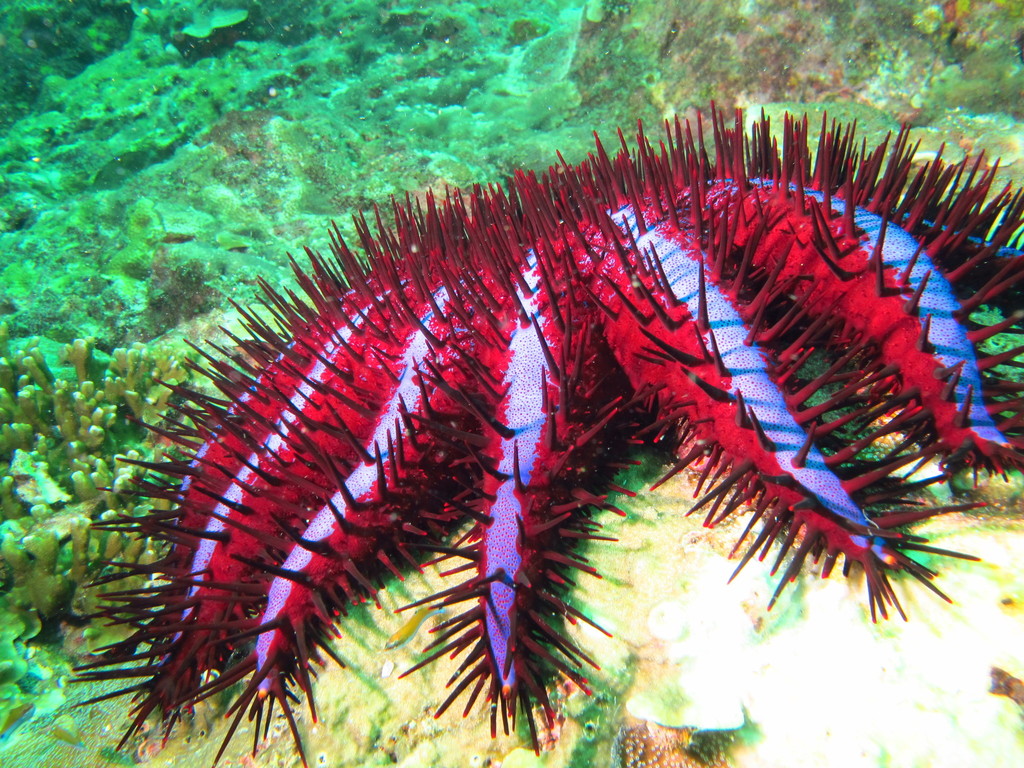
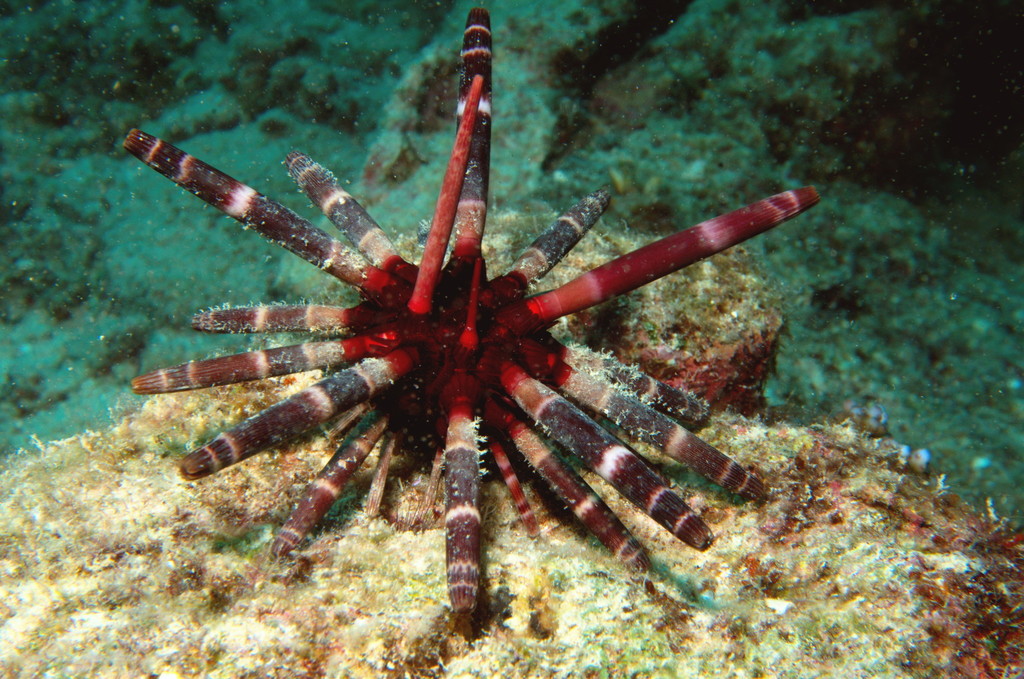
Photo credits
Photo 1
Reference Astropyga radiata from a wild observation in North Lembeh. Not offered stock or a size, sex or collection-origin guarantee. Source downloaded unchanged; no local edits.
Photo: desertnaturalist · Astropyga radiata; observation 20744266 · CC BY 4.0