Pencil Urchin
phyllacanthus imperialis
In Stock
Common stock
Wild Caught
Moderate care
With Caution
SKU: ML-MF-0530
The Pencil Urchin is a captivating marine species known for its unique, spiny appearance and ecological importance.
Pricing for Verified Importers
Log in to see wholesale prices and order.
Export Size
up to 30.0 cm
Origin
Indo-Pacific
Temperature
24.0–28.0°C
Min. Tank Size
100 L
Salinity
30.000–35.000 ppt
pH
8.10–8.40
Diet
herbivore
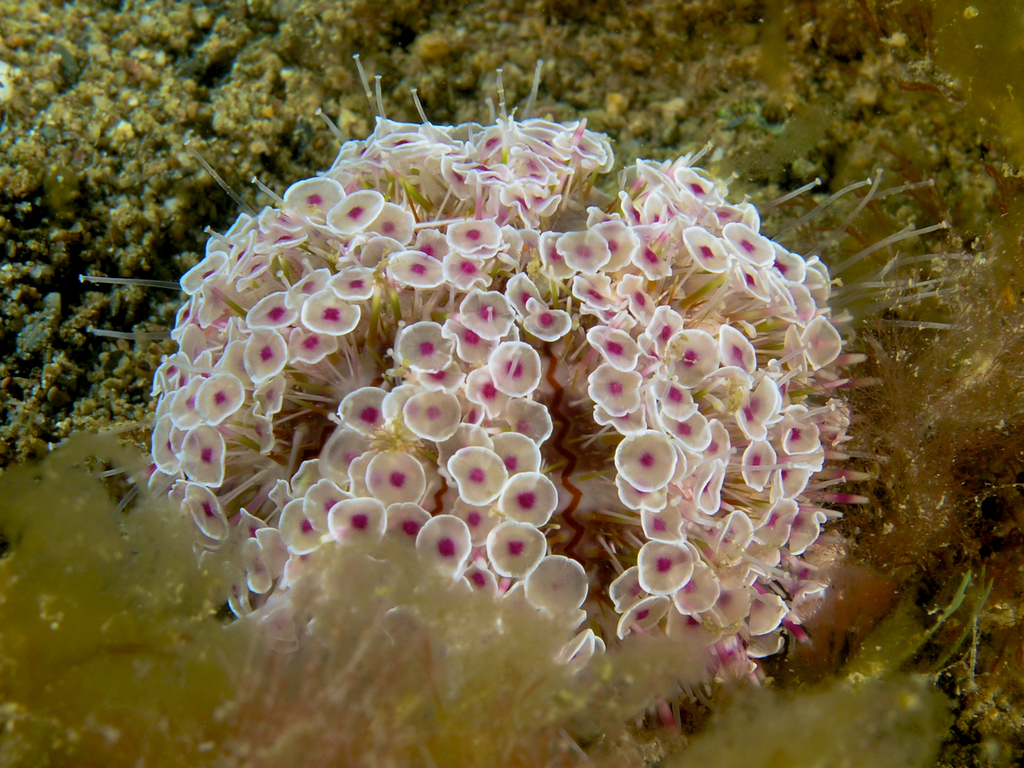
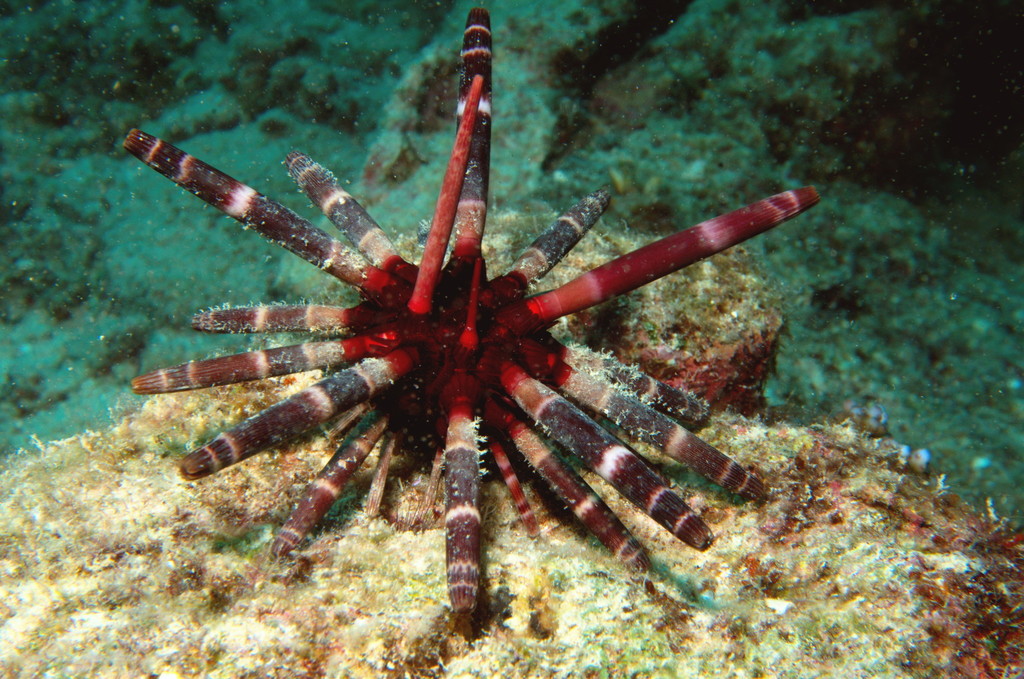
The Pencil Urchin (Phyllacanthus imperialis) is a distinctive marine echinoderm found primarily in the coral reefs of the Indo-Pacific region. Renowned for its long, pencil-like spines, this species provides an intriguing visual element to any aquarium setting. The spines serve as a defense mechanism, deterring potential predators, while also playing a role in camouflage among the rocky substrate and corals they inhabit.
In terms of appearance, the Pencil Urchin showcases a hard, globular body covered with elongated, spiny protrusions. These spines can vary in color, often presenting a mix of browns and greens that help them blend seamlessly into their natural surroundings. Adult Pencil Urchins can reach sizes of up to 30 centimeters, making them a notable presence in the reef ecosystem.
Behaviorally, Pencil Urchins are primarily nocturnal, exhibiting more activity during the night when they forage for food. They primarily consume algae and detritus, contributing to the overall health of the reef by helping to control algae growth. Their feeding habits can also encourage the growth of corals by minimizing competition for nutrients.
Habitat-wise, these urchins thrive in shallow waters, typically found in areas with ample rocky surfaces and coral formations. They prefer environments with good water movement and moderate light, which are essential for their feeding and overall well-being. The Pencil Urchin plays a crucial role in maintaining the ecological balance of its habitat, making it a valuable species for both natural ecosystems and aquarium enthusiasts.
In terms of appearance, the Pencil Urchin showcases a hard, globular body covered with elongated, spiny protrusions. These spines can vary in color, often presenting a mix of browns and greens that help them blend seamlessly into their natural surroundings. Adult Pencil Urchins can reach sizes of up to 30 centimeters, making them a notable presence in the reef ecosystem.
Behaviorally, Pencil Urchins are primarily nocturnal, exhibiting more activity during the night when they forage for food. They primarily consume algae and detritus, contributing to the overall health of the reef by helping to control algae growth. Their feeding habits can also encourage the growth of corals by minimizing competition for nutrients.
Habitat-wise, these urchins thrive in shallow waters, typically found in areas with ample rocky surfaces and coral formations. They prefer environments with good water movement and moderate light, which are essential for their feeding and overall well-being. The Pencil Urchin plays a crucial role in maintaining the ecological balance of its habitat, making it a valuable species for both natural ecosystems and aquarium enthusiasts.
When caring for Pencil Urchins, it is vital to maintain stable water parameters. The ideal temperature range is between 24°C to 28°C, with a salinity level of 30-35 ppt. A pH level of 8.1 to 8.4 is recommended to mimic their natural environment. Importers and retailers should ensure that the tank is a minimum of 100 liters to provide adequate space for these creatures to thrive.
Feeding should consist of a diet rich in algae and detritus, which can be supplemented with high-quality herbivore pellets and dried seaweed. It is essential to monitor their intake and adjust feeding frequencies to prevent overfeeding. Pencil Urchins are generally compatible with a variety of tank mates, but caution should be taken when housing them with aggressive fish that may harass them.
Acclimation to a new environment should be gradual, allowing the urchin to adjust to changes in water chemistry and temperature. Quarantine procedures are recommended for new imports to prevent the introduction of parasites or diseases into established systems. A period of 2-4 weeks in a separate tank can help ensure the health of the Pencil Urchin before introduction into the main display tank.
Feeding should consist of a diet rich in algae and detritus, which can be supplemented with high-quality herbivore pellets and dried seaweed. It is essential to monitor their intake and adjust feeding frequencies to prevent overfeeding. Pencil Urchins are generally compatible with a variety of tank mates, but caution should be taken when housing them with aggressive fish that may harass them.
Acclimation to a new environment should be gradual, allowing the urchin to adjust to changes in water chemistry and temperature. Quarantine procedures are recommended for new imports to prevent the introduction of parasites or diseases into established systems. A period of 2-4 weeks in a separate tank can help ensure the health of the Pencil Urchin before introduction into the main display tank.
Pencil Urchins are suitable for shipping, but care must be taken with packing density to minimize stress during transit. They should be packed in well-oxygenated water with temperature control measures, as they are sensitive to temperature fluctuations. A shipping temperature of 25°C is ideal. There are currently no CITES restrictions on Pencil Urchins, making them easier to export without additional legal considerations.
Species Parameters
Max Adult Size
30.0 cm
Origin
Indo-Pacific
Diet
herbivore
Temp Min
24.0 °C
Temp Max
28.0 °C
Salinity Min
30.000
Salinity Max
35.000
pH Min
8.10
pH Max
8.40
Min Tank
100 L