Small Meat Grazer
nassarius
In Stock
Common stock
Wild Caught
Moderate care
With Caution
SKU: ML-MF-0559
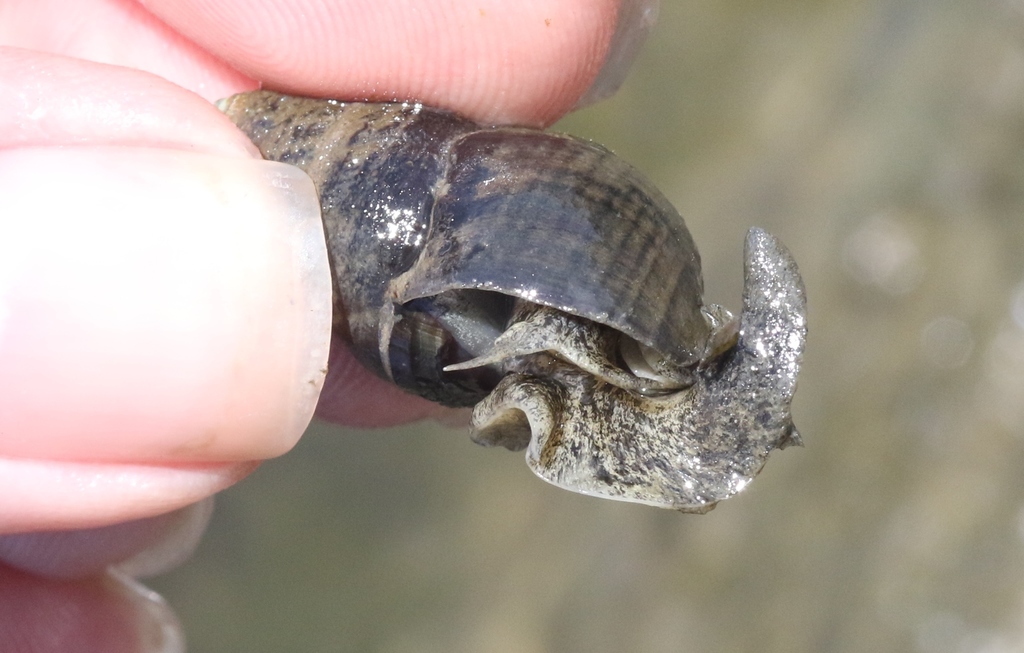
The Small Meat Grazer (nassarius) is a unique scavenger that thrives in marine habitats, making it a great addition for any aquarium.
Pricing for Verified Importers
Log in to see wholesale prices and order.
Export Size
up to 10.0 cm
Origin
Indo-Pacific
Temperature
24.0–28.0°C
Min. Tank Size
100 L
Salinity
30.000–35.000 ppt
pH
7.80–8.50
Diet
omnivore
The Small Meat Grazer, belonging to the genus Nassarius, is a fascinating marine species primarily found in the sandy substrates of shallow coastal waters. Known for their scavenging behavior, these small fish play a crucial role in the ecosystem by consuming detritus and leftover food, thus helping to maintain water quality. Their unique feeding strategy, which involves burrowing into the substrate, allows them to locate food sources effectively, showcasing their adaptability in various marine environments.
In terms of appearance, the Small Meat Grazer typically features a streamlined body that aids in its burrowing behavior. Their coloration is usually a blend of browns and grays, allowing them to blend seamlessly with the sandy ocean floor. Adults can reach sizes of up to 10 cm, making them suitable for various aquarium setups. Their small size and non-aggressive nature make them ideal for community tanks, where they coexist peacefully with a variety of other marine species.
Behaviorally, Small Meat Grazers are generally shy and prefer to remain hidden within the substrate, emerging primarily during feeding times. They are known to exhibit interesting behaviors such as sifting through sand to uncover food. This behavior not only contributes to their feeding habits but also aerates the substrate, benefiting other organisms in the habitat. Their social structure is typically non-territorial, allowing them to thrive in groups, which can enhance their natural behaviors and create a more dynamic aquarium environment.
Habitat-wise, these fish are predominantly found in the Indo-Pacific region, inhabiting sandy and muddy substrates in coastal areas. They are often associated with coral reefs and seagrass beds, where they can find abundant food sources. The Small Meat Grazer's preference for specific substrates makes it essential for aquarium owners to replicate these conditions to ensure their well-being and health in captivity.
In terms of appearance, the Small Meat Grazer typically features a streamlined body that aids in its burrowing behavior. Their coloration is usually a blend of browns and grays, allowing them to blend seamlessly with the sandy ocean floor. Adults can reach sizes of up to 10 cm, making them suitable for various aquarium setups. Their small size and non-aggressive nature make them ideal for community tanks, where they coexist peacefully with a variety of other marine species.
Behaviorally, Small Meat Grazers are generally shy and prefer to remain hidden within the substrate, emerging primarily during feeding times. They are known to exhibit interesting behaviors such as sifting through sand to uncover food. This behavior not only contributes to their feeding habits but also aerates the substrate, benefiting other organisms in the habitat. Their social structure is typically non-territorial, allowing them to thrive in groups, which can enhance their natural behaviors and create a more dynamic aquarium environment.
Habitat-wise, these fish are predominantly found in the Indo-Pacific region, inhabiting sandy and muddy substrates in coastal areas. They are often associated with coral reefs and seagrass beds, where they can find abundant food sources. The Small Meat Grazer's preference for specific substrates makes it essential for aquarium owners to replicate these conditions to ensure their well-being and health in captivity.
To maintain optimal health for Small Meat Grazers, it is crucial to provide them with appropriate water parameters. Ideal conditions include a temperature range of 24-28°C, a salinity level between 30-35 ppt, and a pH between 7.8 and 8.5. These parameters closely mimic their natural habitat, contributing to their overall vitality. A minimum tank size of 100 liters is recommended to ensure ample space for foraging and social interactions.
In terms of diet, Small Meat Grazers are primarily scavengers and thrive on a varied diet that includes high-quality pellets, frozen or live foods such as brine shrimp and mysis shrimp. Importers and retailers should ensure that these fish are fed multiple times a day in small portions to mimic their natural feeding patterns and promote healthy growth. Compatibility-wise, they are generally peaceful and can be housed with a variety of marine species, though caution should be exercised with larger, predatory fish.
Acclimation is vital for the health of Small Meat Grazers; it is recommended to use the drip acclimation method over a period of several hours to reduce stress during the transition to a new environment. Quarantine is also advised for new arrivals to prevent the introduction of potential diseases into established systems. This process allows for observation and treatment of any health issues before introducing them to the main tank.
In terms of diet, Small Meat Grazers are primarily scavengers and thrive on a varied diet that includes high-quality pellets, frozen or live foods such as brine shrimp and mysis shrimp. Importers and retailers should ensure that these fish are fed multiple times a day in small portions to mimic their natural feeding patterns and promote healthy growth. Compatibility-wise, they are generally peaceful and can be housed with a variety of marine species, though caution should be exercised with larger, predatory fish.
Acclimation is vital for the health of Small Meat Grazers; it is recommended to use the drip acclimation method over a period of several hours to reduce stress during the transition to a new environment. Quarantine is also advised for new arrivals to prevent the introduction of potential diseases into established systems. This process allows for observation and treatment of any health issues before introducing them to the main tank.
Small Meat Grazers are suitable for shipping due to their hardy nature. They should be packed in well-oxygenated water with adequate space to minimize stress during transit. A packing density of 1-2 fish per liter is recommended. Temperature should be maintained between 24-26°C during shipping to ensure their health. Currently, there are no known CITES restrictions on this species, making it a compliant choice for export.
Species Parameters
Max Adult Size
10.0 cm
Origin
Indo-Pacific
Diet
omnivore
Temp Min
24.0 °C
Temp Max
28.0 °C
Salinity Min
30.000
Salinity Max
35.000
pH Min
7.80
pH Max
8.50
Min Tank
100 L