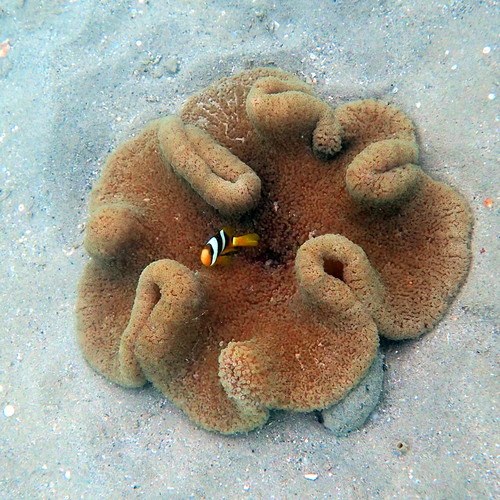
Anemon Karpet Putih
Stichodactyla Haddoni
In Stock
Common stock
Wild Caught
Moderate care
SKU: CB-SC-0078
The Anemon Karpet Putih is a stunning sea anemone known for its vibrant colors and symbiotic relationships.
Pricing for Verified Importers
Log in to see wholesale prices and order.
Export Size
up to 30.0 cm
Origin
Indo-Pacific
Temperature
24.0–28.0°C
Min. Tank Size
100 L
pH
7.80–8.30
Diet
carnivore
Stichodactyla haddoni, commonly known as the Anemon Karpet Putih or the Carpet Anemone, is a captivating marine invertebrate found predominantly in the warm waters of the Indo-Pacific region. This species is characterized by its striking appearance, featuring a broad, flattened body adorned with numerous tentacles that can be vivid shades of green, blue, or brown, often with contrasting fluorescent tips. The unique coloration not only serves as an aesthetic appeal but also plays a critical role in its ecological interactions.
In its natural habitat, the Anemon Karpet Putih typically resides on sandy or gravel substrates in shallow reefs, where it can be found at depths of up to 40 meters. This anemone forms symbiotic relationships with various clownfish species, providing them protection from predators while benefiting from their presence through food scraps and increased water circulation. The mutualistic bond between the anemone and clownfish is a remarkable example of cooperation in marine ecosystems.
Behaviorally, the Carpet Anemone is known for its mild disposition, making it a popular choice among aquarists looking to create a vibrant reef environment. Unlike other anemones that can exhibit aggressive tendencies, the Anemon Karpet Putih is generally less territorial and is often seen swaying gently with water currents, showcasing its beautiful tentacles. However, it can still deliver a painful sting to unwary fish or invertebrates that venture too close.
Overall, the Anemon Karpet Putih represents a vital component of marine biodiversity and is essential for the health of coral reef ecosystems. Its presence enhances the beauty of the underwater landscape, making it a valuable species for both ecological balance and aquarium displays.
In its natural habitat, the Anemon Karpet Putih typically resides on sandy or gravel substrates in shallow reefs, where it can be found at depths of up to 40 meters. This anemone forms symbiotic relationships with various clownfish species, providing them protection from predators while benefiting from their presence through food scraps and increased water circulation. The mutualistic bond between the anemone and clownfish is a remarkable example of cooperation in marine ecosystems.
Behaviorally, the Carpet Anemone is known for its mild disposition, making it a popular choice among aquarists looking to create a vibrant reef environment. Unlike other anemones that can exhibit aggressive tendencies, the Anemon Karpet Putih is generally less territorial and is often seen swaying gently with water currents, showcasing its beautiful tentacles. However, it can still deliver a painful sting to unwary fish or invertebrates that venture too close.
Overall, the Anemon Karpet Putih represents a vital component of marine biodiversity and is essential for the health of coral reef ecosystems. Its presence enhances the beauty of the underwater landscape, making it a valuable species for both ecological balance and aquarium displays.
To successfully keep the Anemon Karpet Putih in an aquarium setting, maintaining optimal water parameters is crucial. The ideal temperature range is between 24°C to 28°C, with a pH level maintained between 7.8 and 8.3. As a marine species, salinity should be kept around 30-35 ppt, ensuring a stable environment for this anemone to thrive. It is advisable to provide ample space in the tank, with a minimum volume of 100 liters to accommodate its growth and territorial needs.
Feeding the Anemon Karpet Putih involves a varied diet, primarily consisting of meaty foods such as shrimp, fish, and other marine protein sources. Regular feeding, approximately two to three times a week, is recommended to ensure optimal health and vibrant coloration. Additionally, providing high-quality lighting can enhance its color and overall health, as it benefits from the presence of zooxanthellae, which assist in photosynthesis.
Compatibility is another important factor; ensuring that tank mates are non-aggressive and preferably include clownfish species can create a harmonious environment. When introducing the anemone to a new aquarium, gradual acclimation is essential. It is recommended to float the anemone in a bag for about 30 minutes before releasing it into the tank. A quarantine period of at least two weeks should also be observed to monitor for any potential diseases or parasites, ensuring the health and well-being of both the anemone and the existing aquarium inhabitants.
Feeding the Anemon Karpet Putih involves a varied diet, primarily consisting of meaty foods such as shrimp, fish, and other marine protein sources. Regular feeding, approximately two to three times a week, is recommended to ensure optimal health and vibrant coloration. Additionally, providing high-quality lighting can enhance its color and overall health, as it benefits from the presence of zooxanthellae, which assist in photosynthesis.
Compatibility is another important factor; ensuring that tank mates are non-aggressive and preferably include clownfish species can create a harmonious environment. When introducing the anemone to a new aquarium, gradual acclimation is essential. It is recommended to float the anemone in a bag for about 30 minutes before releasing it into the tank. A quarantine period of at least two weeks should also be observed to monitor for any potential diseases or parasites, ensuring the health and well-being of both the anemone and the existing aquarium inhabitants.
The Anemon Karpet Putih is suitable for shipping using insulated boxes with temperature control measures. Packing density should allow for adequate water circulation and space to prevent physical damage. Temperature sensitivity is moderate; therefore, maintaining a range of 24°C to 28°C during transit is crucial. As a CITES Appendix II species, proper documentation is required for export to ensure compliance with international regulations.
Species Parameters
Max Adult Size
30.0 cm
Origin
Indo-Pacific
Diet
carnivore
Temp Min
24.0 °C
Temp Max
28.0 °C
pH Min
7.80
pH Max
8.30
Min Tank
100 L