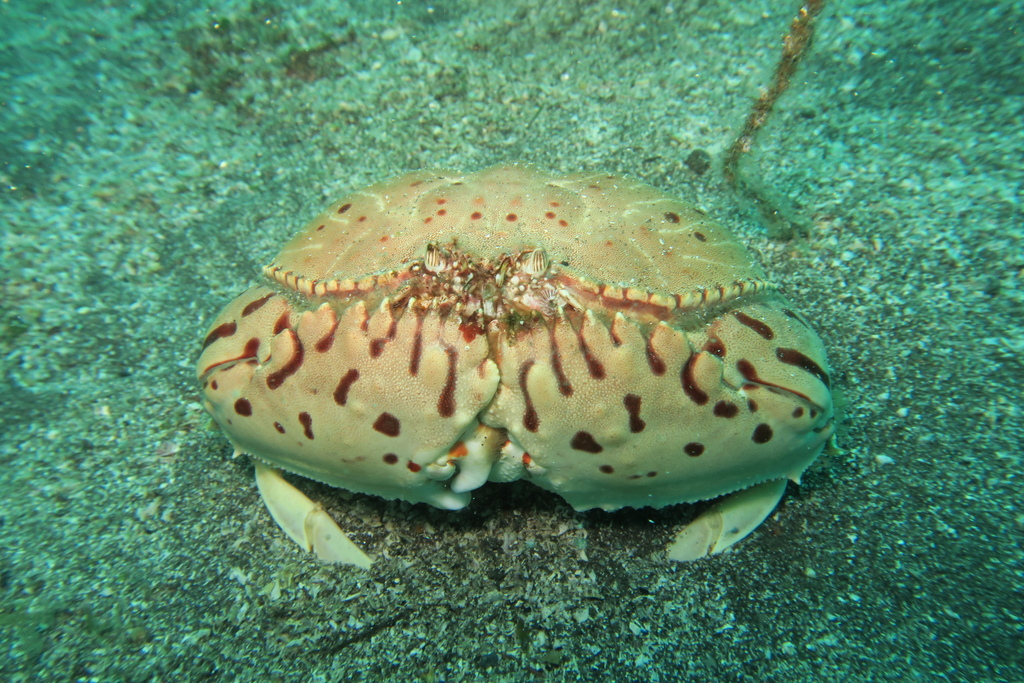
box crab
calappa lophos
In Stock
Common stock
Wild Caught
Moderate care
With Caution
SKU: ML-MF-0490
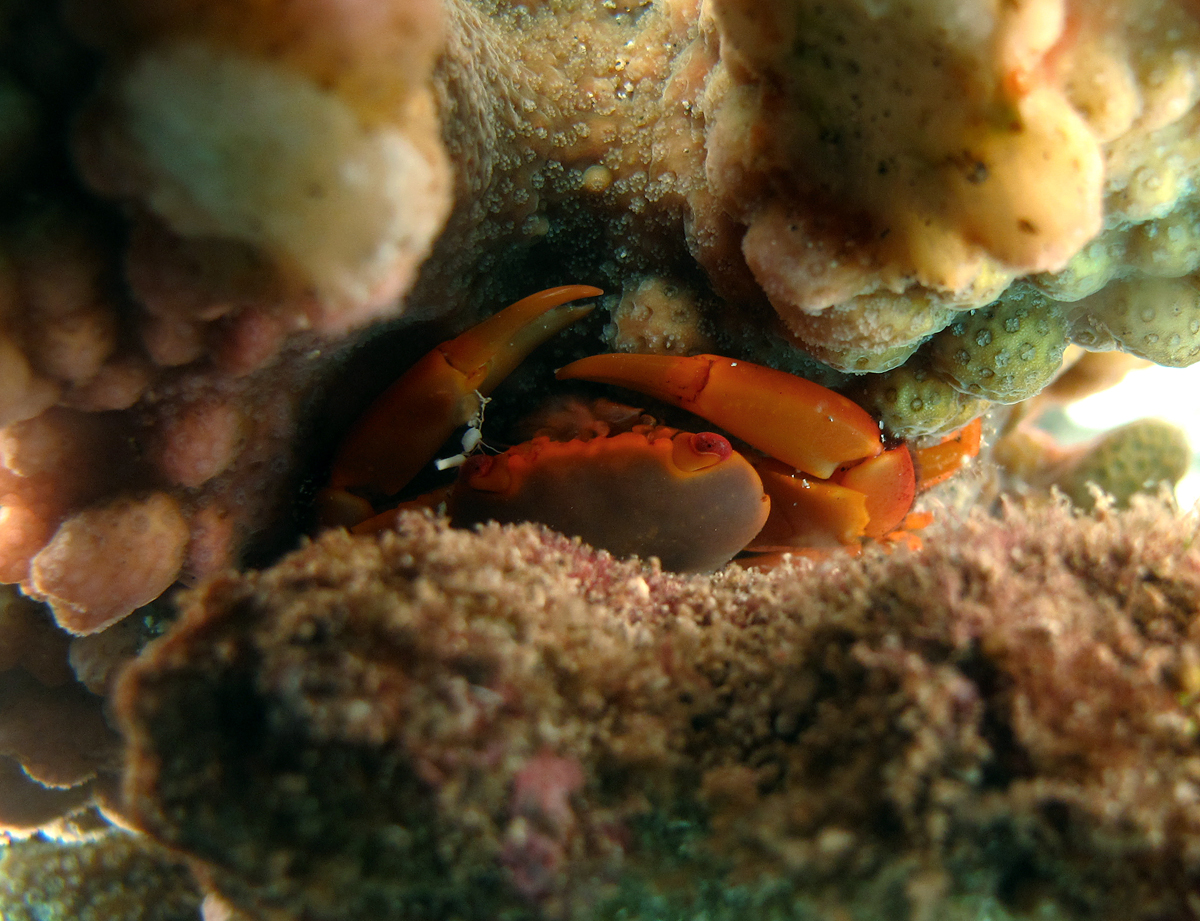
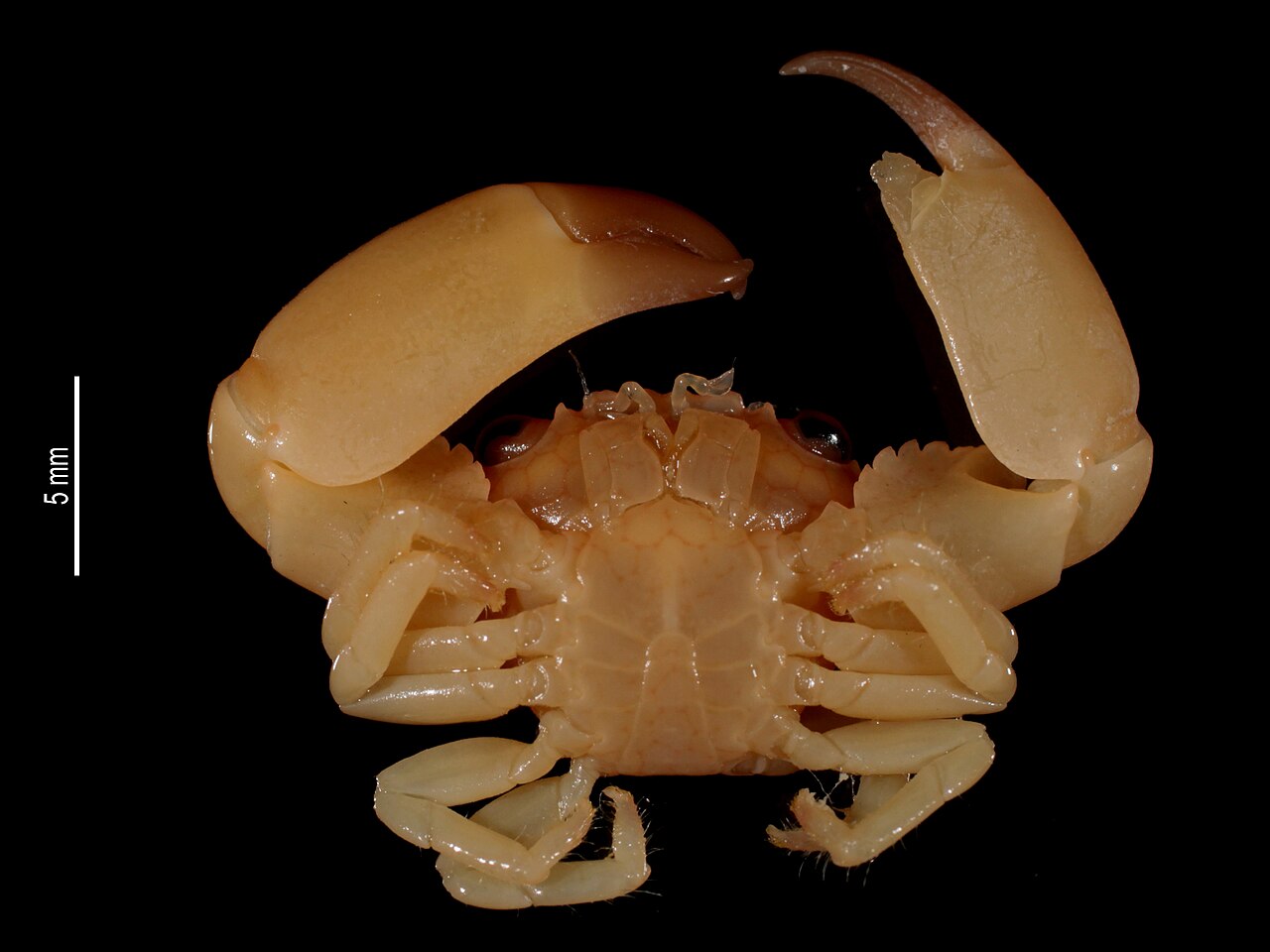
The box crab (Calappa lophos) is a unique and resilient marine species known for its striking appearance.
Pricing for Verified Importers
Log in to see wholesale prices and order.
Export Size
up to 20.0 cm
Origin
Indo-Pacific
Temperature
24.0–28.0°C
Min. Tank Size
100 L
Salinity
30.000–35.000 ppt
pH
8.10–8.40
Diet
omnivore
The box crab, scientifically known as Calappa lophos, is a fascinating marine species found in the warm waters of the Indo-Pacific region. This crab gets its name from its distinctively box-like shape and flattened body, which allows it to blend seamlessly into its surroundings on the ocean floor. Its carapace is typically adorned with unique markings that can vary in color, ranging from earthy browns to vibrant hues, making it a visually appealing addition to any aquarium. Box crabs can reach sizes of up to 20 cm in width, making them a noticeable presence in their habitats.
In terms of behavior, box crabs are primarily nocturnal, emerging under the cover of darkness to forage for food. They are scavengers by nature, feeding on a diet that consists mainly of detritus, small mollusks, and other organic materials found on the seafloor. Their strong claws are adapted for breaking open shells, showcasing their ability to thrive in various marine environments. Box crabs are often observed digging into the sand or hiding beneath rocks during the day, providing them with protection from potential predators.
Box crabs inhabit shallow coastal waters, typically found in coral reefs, sandy substrates, and seagrass meadows. They prefer areas with ample hiding spots and abundant food sources, making them a common sight in these diverse ecosystems. Their presence indicates a healthy marine environment, as they play a crucial role in the decomposition process, contributing to nutrient cycling within their habitats.
As a species, box crabs are relatively hardy, making them suitable for both experienced hobbyists and commercial aquarists. Their unique morphology and intriguing behaviors not only enrich the biodiversity of marine aquariums but also provide educational opportunities for those interested in marine life conservation.
In terms of behavior, box crabs are primarily nocturnal, emerging under the cover of darkness to forage for food. They are scavengers by nature, feeding on a diet that consists mainly of detritus, small mollusks, and other organic materials found on the seafloor. Their strong claws are adapted for breaking open shells, showcasing their ability to thrive in various marine environments. Box crabs are often observed digging into the sand or hiding beneath rocks during the day, providing them with protection from potential predators.
Box crabs inhabit shallow coastal waters, typically found in coral reefs, sandy substrates, and seagrass meadows. They prefer areas with ample hiding spots and abundant food sources, making them a common sight in these diverse ecosystems. Their presence indicates a healthy marine environment, as they play a crucial role in the decomposition process, contributing to nutrient cycling within their habitats.
As a species, box crabs are relatively hardy, making them suitable for both experienced hobbyists and commercial aquarists. Their unique morphology and intriguing behaviors not only enrich the biodiversity of marine aquariums but also provide educational opportunities for those interested in marine life conservation.
Importers and retailers should provide optimal conditions for box crabs to thrive in captivity. The ideal water parameters include a temperature range of 24-28°C, with a salinity of 30-35 ppt. Maintaining a stable pH level between 8.1 and 8.4 is crucial for their health. Box crabs are scavengers and should be fed a varied diet that includes high-quality pellets, chopped seafood, and occasional treats like live or frozen mussels and shrimp to mimic their natural foraging habits.
Compatibility is essential when housing box crabs, as they can display territorial behaviors, especially towards similar-sized crustaceans. It is recommended to keep them with larger, non-aggressive fish and invertebrates to minimize stress and potential conflicts. Acclimation should be done slowly to reduce shock; a drip acclimation method is advisable for new arrivals. Quarantine is also essential, as it helps prevent the introduction of diseases to existing stock.
Overall, ensuring proper care and conditions will lead to successful cultivation and vibrant displays of box crabs in commercial aquariums.
Compatibility is essential when housing box crabs, as they can display territorial behaviors, especially towards similar-sized crustaceans. It is recommended to keep them with larger, non-aggressive fish and invertebrates to minimize stress and potential conflicts. Acclimation should be done slowly to reduce shock; a drip acclimation method is advisable for new arrivals. Quarantine is also essential, as it helps prevent the introduction of diseases to existing stock.
Overall, ensuring proper care and conditions will lead to successful cultivation and vibrant displays of box crabs in commercial aquariums.
Box crabs are suitable for shipping due to their hardiness; however, careful packing is essential to ensure their welfare during transit. A packing density of 1-2 individuals per liter is recommended, along with insulation to maintain a temperature range of 24-26°C. They are not listed under CITES, but it's important to comply with local regulations and guidelines when exporting.
Species Parameters
Max Adult Size
20.0 cm
Origin
Indo-Pacific
Diet
omnivore
Temp Min
24.0 °C
Temp Max
28.0 °C
Salinity Min
30.000
Salinity Max
35.000
pH Min
8.10
pH Max
8.40
Min Tank
100 L