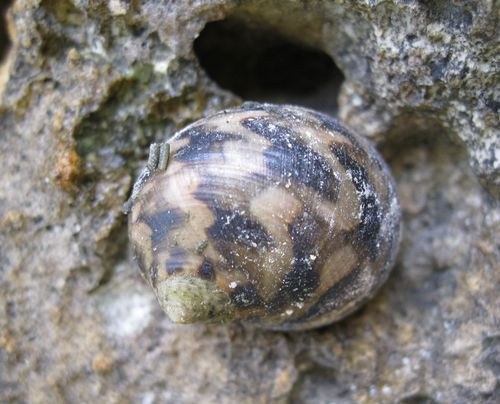
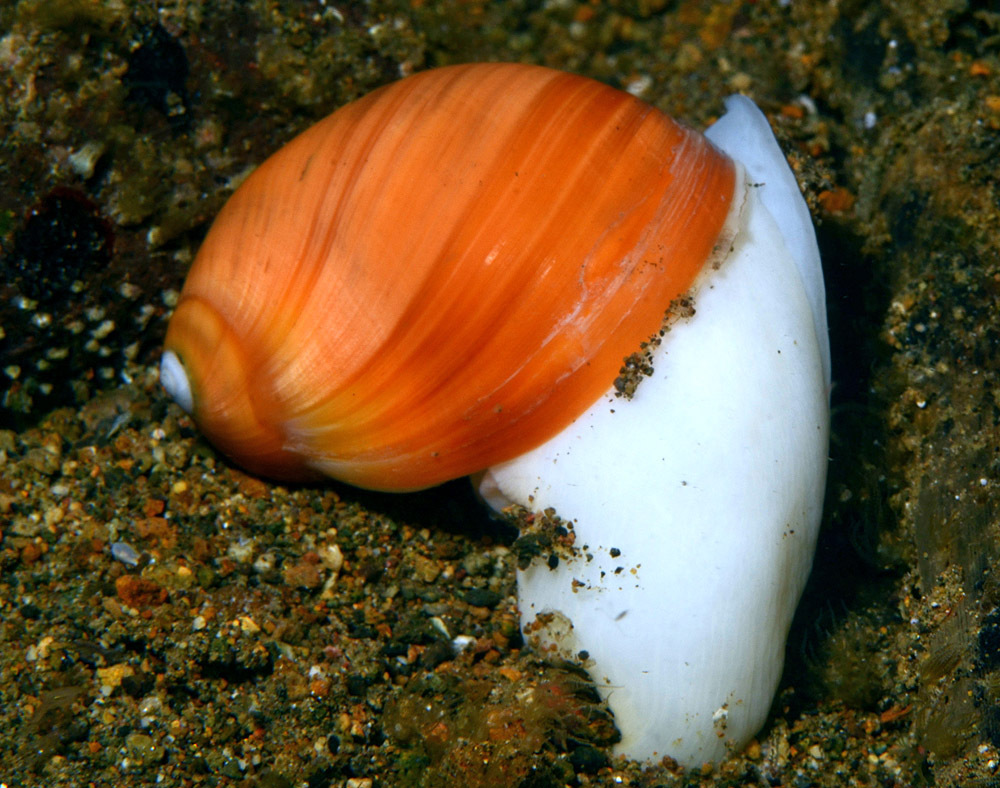
Coloured Sponge snail
polinices aurantius
In Stock
Common stock
Wild Caught
Moderate care
With Caution
SKU: ML-MF-0570
Discover the vibrant Coloured Sponge snail, a unique marine specimen from Bali's rich waters.
Pricing for Verified Importers
Log in to see wholesale prices and order.
Export Size
up to 5.0 cm
Origin
Southeast Asia
Temperature
24.0–28.0°C
Min. Tank Size
50 L
Salinity
30.000–35.000 ppt
pH
7.80–8.50
Diet
herbivore
The Coloured Sponge snail (Polinices aurantius) is a striking marine gastropod known for its vibrant coloration and distinctive shell. Found primarily in the coral reefs of Bali, this species displays a captivating array of hues, ranging from bright oranges to deep purples, making it an attractive addition to any marine collection. Its eye-catching appearance not only adds beauty to aquariums but also highlights the biodiversity of Indonesia's marine ecosystems.
In terms of natural history, the Coloured Sponge snail thrives in shallow marine environments where it can often be found grazing on encrusting algae and sponge species. This snail has adapted to a variety of habitats, including sandy substrates and rocky crevices, where it can easily camouflage itself against predators. Its slow-moving nature allows it to efficiently feed on its preferred diet while avoiding detection in its natural surroundings.
Behaviorally, the Coloured Sponge snail is generally solitary but may be seen in small groups during feeding. Its unique feeding mechanism involves using a specialized tongue-like structure known as a radula to scrape food from surfaces. This feeding strategy aids in maintaining healthy algae levels within its habitat, contributing to the overall balance of the marine ecosystem.
The Coloured Sponge snail is primarily nocturnal, becoming more active during the night hours when it feeds. This behavior allows it to evade many of its natural predators that are more active during the day. Their adaptability and resilience make them a fascinating species for both hobbyists and researchers alike, showcasing the importance of marine conservation efforts in Southeast Asia.
In terms of natural history, the Coloured Sponge snail thrives in shallow marine environments where it can often be found grazing on encrusting algae and sponge species. This snail has adapted to a variety of habitats, including sandy substrates and rocky crevices, where it can easily camouflage itself against predators. Its slow-moving nature allows it to efficiently feed on its preferred diet while avoiding detection in its natural surroundings.
Behaviorally, the Coloured Sponge snail is generally solitary but may be seen in small groups during feeding. Its unique feeding mechanism involves using a specialized tongue-like structure known as a radula to scrape food from surfaces. This feeding strategy aids in maintaining healthy algae levels within its habitat, contributing to the overall balance of the marine ecosystem.
The Coloured Sponge snail is primarily nocturnal, becoming more active during the night hours when it feeds. This behavior allows it to evade many of its natural predators that are more active during the day. Their adaptability and resilience make them a fascinating species for both hobbyists and researchers alike, showcasing the importance of marine conservation efforts in Southeast Asia.
For retailers and importers, maintaining optimal water parameters is crucial for the health of the Coloured Sponge snail. Ideal temperature ranges between 24°C to 28°C, with stable salinity levels around 30-35 ppt. The pH should be maintained between 7.8 and 8.5 to mimic their natural habitat. Providing a well-structured aquarium with plenty of hiding spaces is essential for their comfort and well-being.
Feeding the Coloured Sponge snail can be achieved through a diet that includes algae, detritus, and specialized marine snail food. Regular feedings of finely crushed algae and sponge-based diets will ensure their nutritional needs are met. Compatibility with other marine species is generally good, although care should be taken with aggressive tankmates that may harm or compete for food.
Acclimation should be conducted slowly over several hours to prevent shock. It is advisable to introduce the snails during the evening when they are naturally more active. Quarantine new shipments for at least two weeks to monitor for any signs of disease or stress before placing them in the main display tank. Regular water quality tests and maintenance will ensure a thriving environment for these beautiful snails.
Feeding the Coloured Sponge snail can be achieved through a diet that includes algae, detritus, and specialized marine snail food. Regular feedings of finely crushed algae and sponge-based diets will ensure their nutritional needs are met. Compatibility with other marine species is generally good, although care should be taken with aggressive tankmates that may harm or compete for food.
Acclimation should be conducted slowly over several hours to prevent shock. It is advisable to introduce the snails during the evening when they are naturally more active. Quarantine new shipments for at least two weeks to monitor for any signs of disease or stress before placing them in the main display tank. Regular water quality tests and maintenance will ensure a thriving environment for these beautiful snails.
The Coloured Sponge snail is suitable for shipping, provided that they are packed securely in damp, breathable materials to prevent stress. Packing density should allow for adequate space to avoid crushing. Temperature sensitivity is moderate; thus, maintaining a stable temperature during transit is essential. As of now, there are no specific CITES restrictions for Polinices aurantius, making them easier to export for wholesale transactions.
Species Parameters
Max Adult Size
5.0 cm
Origin
Southeast Asia
Diet
herbivore
Temp Min
24.0 °C
Temp Max
28.0 °C
Salinity Min
30.000
Salinity Max
35.000
pH Min
7.80
pH Max
8.50
Min Tank
50 L