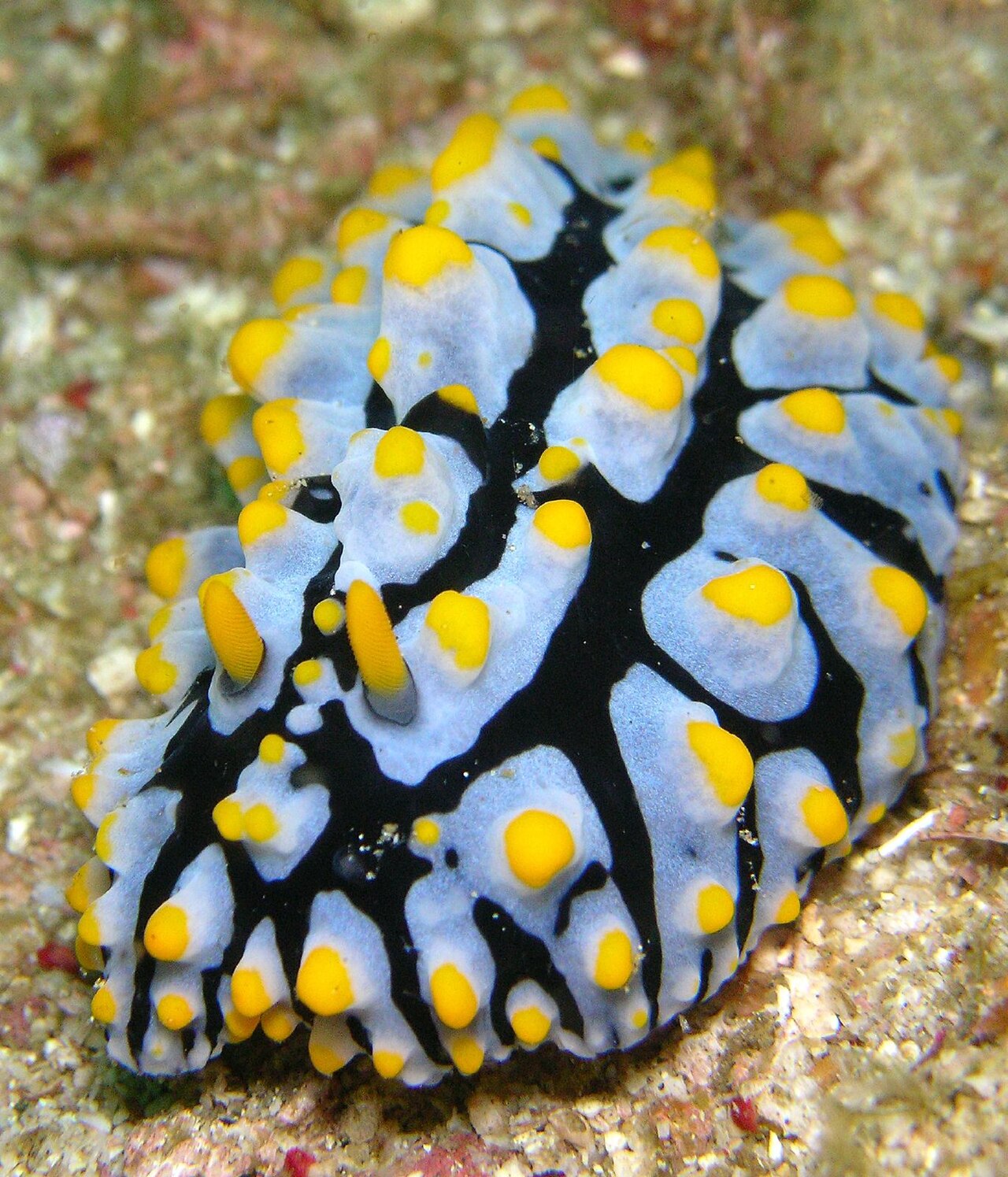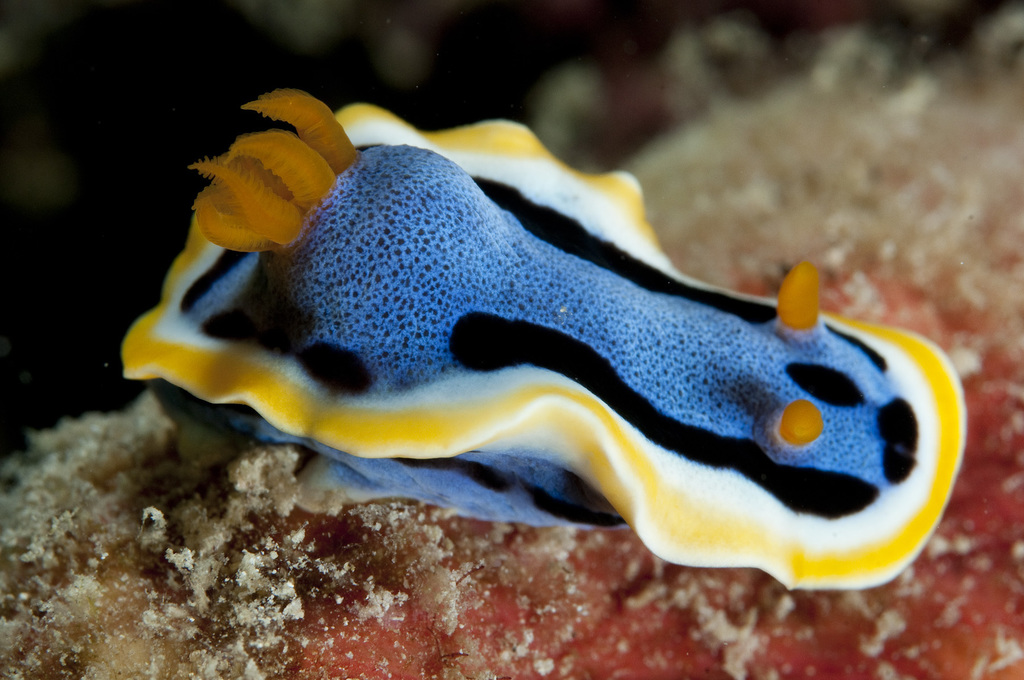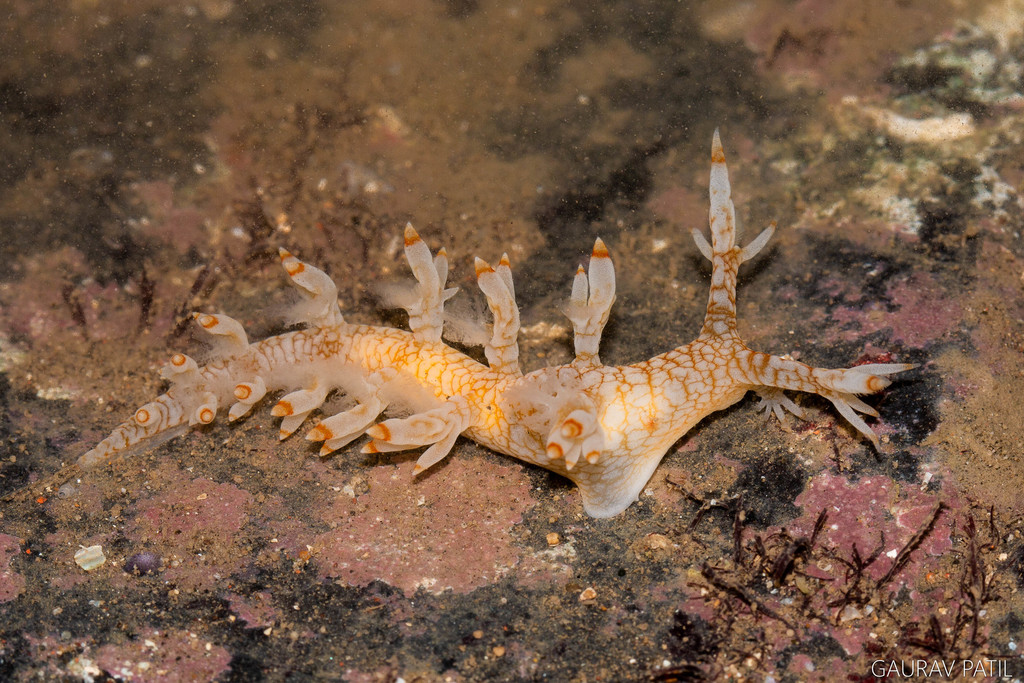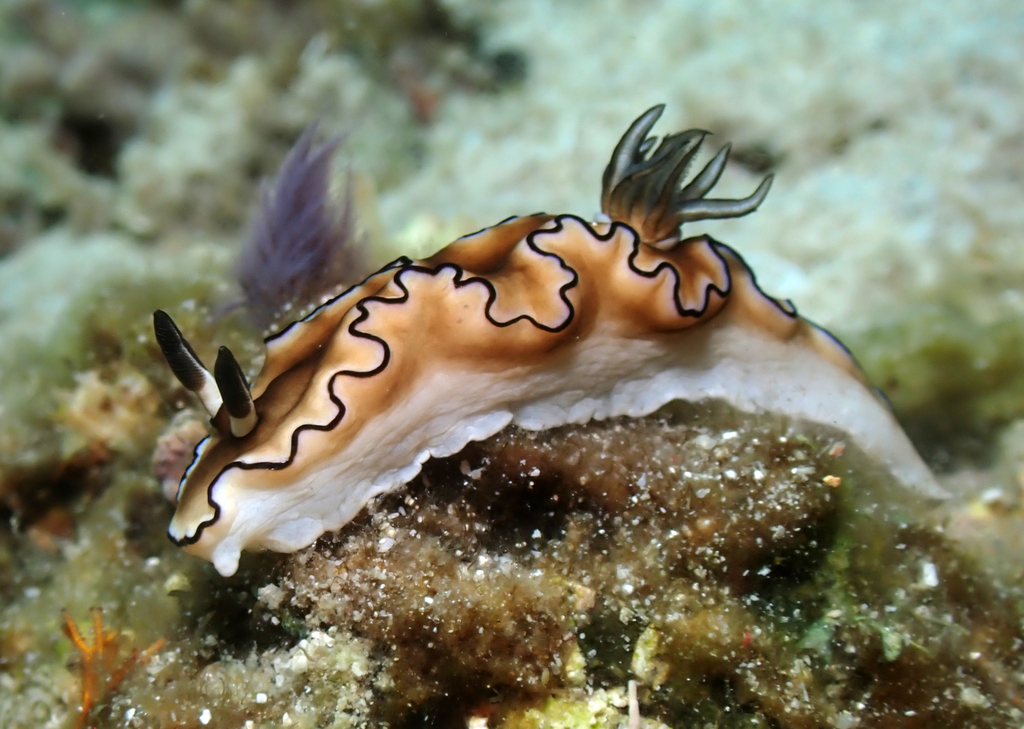
atromarginata slugs
glossodoris atromarginata
In Stock
Common stock
Wild Caught
Moderate care
With Caution
SKU: ML-MF-0519
Discover the vibrant atromarginata slugs, a stunning marine gastropod native to Bali.
Pricing for Verified Importers
Log in to see wholesale prices and order.
Export Size
up to 10.0 cm
Origin
Coral Triangle
Temperature
24.0–28.0°C
Min. Tank Size
100 L
Salinity
30.000–35.000 ppt
pH
7.80–8.40
Diet
carnivore
The atromarginata slug, scientifically known as Glossodoris atromarginata, is a striking marine gastropod found primarily in the Coral Triangle region, including the vibrant waters around Bali, Indonesia. These beautiful creatures are known for their vivid coloration, featuring a bright yellow body with contrasting dark blue margins and spots, making them a popular choice among marine enthusiasts. Their remarkable appearance is not just for show; the bright colors serve as a warning to potential predators about their unpalatability.
In terms of behavior, atromarginata slugs are primarily nocturnal, feeding on sponge species, which they graze on during the night. They possess a unique ability to blend in with their surroundings, utilizing their colors and patterns for camouflage against predators. The slugs are also capable of secreting a distasteful substance when threatened, further enhancing their survival in the wild. These fascinating creatures exhibit a slow and deliberate crawling motion, utilizing their muscular foot to traverse rocky substrates and coral reefs.
Atromarginata slugs thrive in warm, shallow waters, often residing in areas with abundant coral and sponge growth. They prefer environments with good water flow, which helps to bring food particles to them. Typically found at depths of up to 30 meters, these slugs can often be seen clinging to the underside of coral ledges or among the crevices of rocky substrates. Their reliance on healthy reef ecosystems makes them an indicator species for marine biodiversity and ecosystem health.
The atromarginata slug's unique reproductive strategy involves external fertilization, where males and females release their gametes into the water column, leading to the development of free-swimming larvae. This fascinating life cycle contributes to the species' resilience in various marine environments, allowing them to adapt successfully to changing conditions.
In terms of behavior, atromarginata slugs are primarily nocturnal, feeding on sponge species, which they graze on during the night. They possess a unique ability to blend in with their surroundings, utilizing their colors and patterns for camouflage against predators. The slugs are also capable of secreting a distasteful substance when threatened, further enhancing their survival in the wild. These fascinating creatures exhibit a slow and deliberate crawling motion, utilizing their muscular foot to traverse rocky substrates and coral reefs.
Atromarginata slugs thrive in warm, shallow waters, often residing in areas with abundant coral and sponge growth. They prefer environments with good water flow, which helps to bring food particles to them. Typically found at depths of up to 30 meters, these slugs can often be seen clinging to the underside of coral ledges or among the crevices of rocky substrates. Their reliance on healthy reef ecosystems makes them an indicator species for marine biodiversity and ecosystem health.
The atromarginata slug's unique reproductive strategy involves external fertilization, where males and females release their gametes into the water column, leading to the development of free-swimming larvae. This fascinating life cycle contributes to the species' resilience in various marine environments, allowing them to adapt successfully to changing conditions.
When importing atromarginata slugs, it's essential to maintain stable water parameters to ensure their health and well-being. Ideal conditions include a temperature range of 24-28°C, a salinity level of 30-35 ppt, and a pH between 7.8 and 8.4. These slugs thrive in well-maintained marine aquariums with adequate filtration and water movement to mimic their natural habitat.
Feeding atromarginata slugs is relatively straightforward as they are primarily sponge feeders. In captivity, offer them a variety of sponge species or high-quality aquarium foods designed for nudibranchs. Compatibility-wise, they are generally peaceful and can be housed with other non-aggressive marine species. However, caution should be taken with potential predators, as larger fish may see them as a meal.
Acclimation is crucial for the successful introduction of atromarginata slugs into a new environment. Gradually acclimate them to the new tank conditions over several hours by floating the bag in the aquarium and slowly mixing tank water into the bag. Quarantine new arrivals for at least two weeks to monitor for any signs of distress or disease before introducing them to the main display tank.
Feeding atromarginata slugs is relatively straightforward as they are primarily sponge feeders. In captivity, offer them a variety of sponge species or high-quality aquarium foods designed for nudibranchs. Compatibility-wise, they are generally peaceful and can be housed with other non-aggressive marine species. However, caution should be taken with potential predators, as larger fish may see them as a meal.
Acclimation is crucial for the successful introduction of atromarginata slugs into a new environment. Gradually acclimate them to the new tank conditions over several hours by floating the bag in the aquarium and slowly mixing tank water into the bag. Quarantine new arrivals for at least two weeks to monitor for any signs of distress or disease before introducing them to the main display tank.
Atromarginata slugs are sensitive to temperature fluctuations, making temperature-controlled shipping essential. Pack them in insulation with oxygenated water to maintain stable conditions during transit. A packing density of no more than 5-10 slugs per liter is recommended to minimize stress. Ensure that shipping temperatures remain between 24-28°C. Currently, this species is not listed under CITES, allowing for straightforward export procedures.
Species Parameters
Max Adult Size
10.0 cm
Origin
Coral Triangle
Diet
carnivore
Temp Min
24.0 °C
Temp Max
28.0 °C
Salinity Min
30.000
Salinity Max
35.000
pH Min
7.80
pH Max
8.40
Min Tank
100 L