Polkadotted Hermit
Phimochirus Operculatus
In Stock
Common stock
Wild Caught
Moderate care
SKU: CB-SC-0149
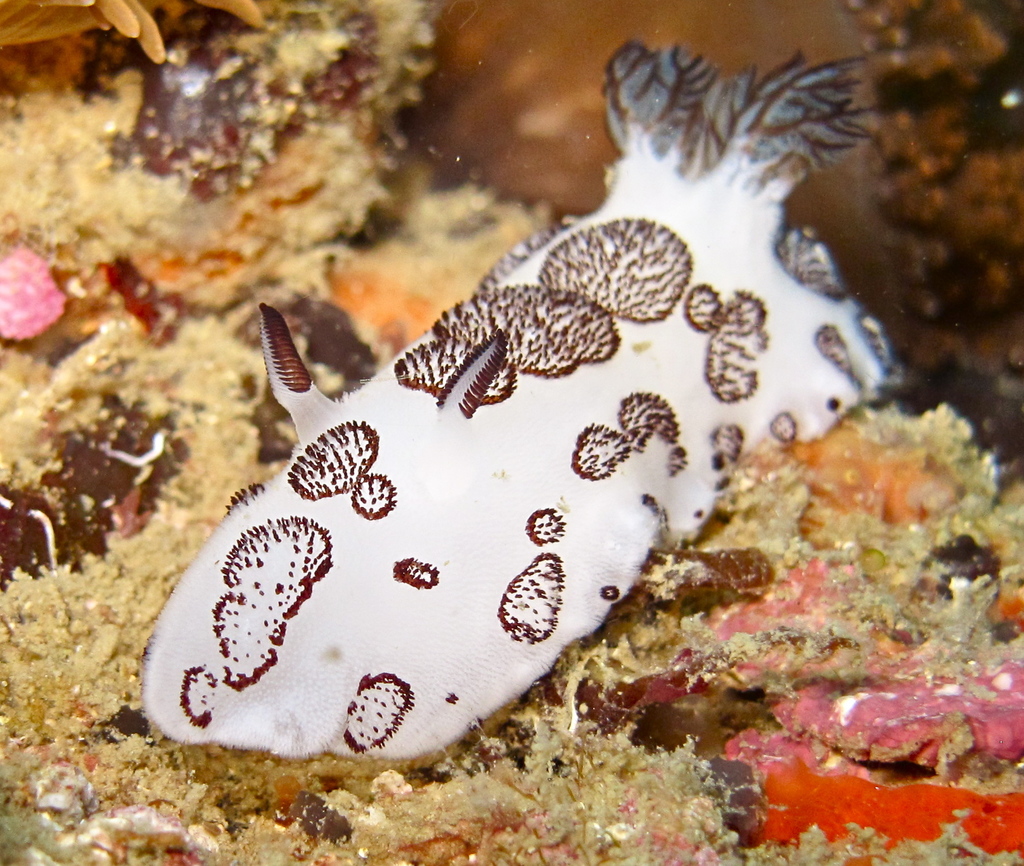
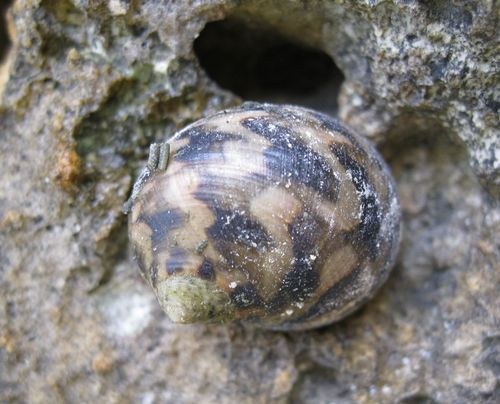
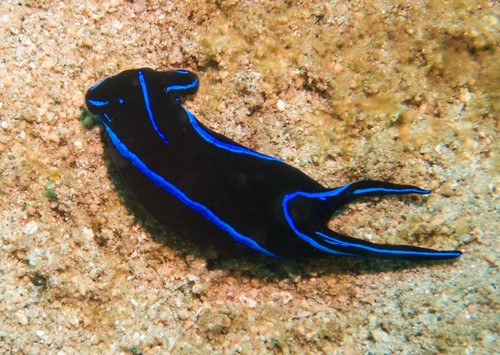
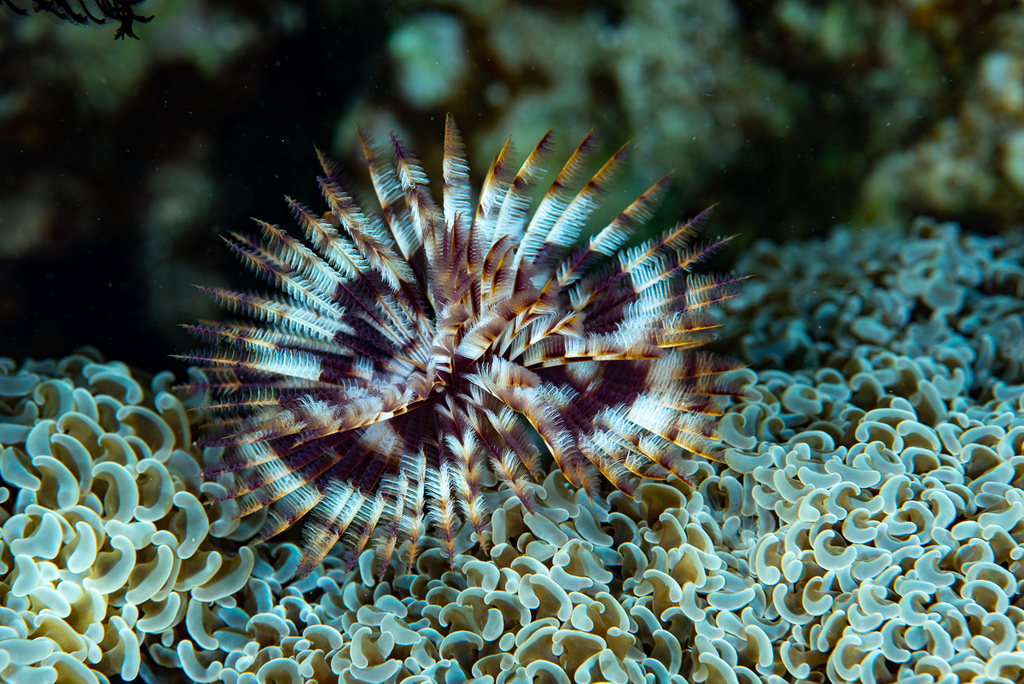
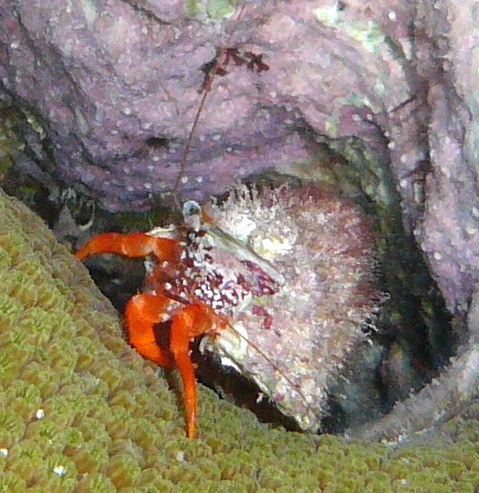
The Polkadotted Hermit is a vibrant invertebrate known for its striking coloration and unique shell selection.
Pricing for Verified Importers
Log in to see wholesale prices and order.
Export Size
up to 7.0 cm
Origin
Southeast Asia
Temperature
22.0–28.0°C
Min. Tank Size
20 L
pH
6.50–8.00
Diet
omnivore
The Polkadotted Hermit (Phimochirus operculatus) is a fascinating invertebrate commonly found in freshwater habitats across Southeast Asia. This species is particularly notable for its vibrant patterns and the ability to adapt its shell to various environments, often selecting shells that provide optimal protection and camouflage. These hermit crabs thrive in a variety of aquatic settings, including shallow waters and riverbeds, where they can forage for food among the substrate.
In terms of appearance, the Polkadotted Hermit showcases a stunning array of colors, predominantly featuring a polka-dotted pattern that can vary in hue from bright reds and blues to subtle greens, depending on the individual and its environment. Their shells, often adorned with algae and other organic materials, serve as both a home and a form of protection against predators. These crabs exhibit a fascinating behavior of shell swapping, allowing them to find a more suitable or larger shell as they grow.
Behaviorally, Polkadotted Hermits are known to be quite social and can often be seen interacting with their peers. They exhibit a range of behaviors, from foraging for food to engaging in territorial displays. These crabs are primarily scavengers, feeding on detritus, algae, and other organic matter found in their habitat. Their active and curious nature makes them an engaging addition to any aquarium setup.
The natural habitat of the Polkadotted Hermit is characterized by lush vegetation and a variety of substrate types, which provide ample opportunities for foraging and shelter. They prefer environments that are rich in organic material, which supports their scavenging lifestyle. Understanding their natural history is crucial for providing appropriate care and maintaining their health in captivity.
In terms of appearance, the Polkadotted Hermit showcases a stunning array of colors, predominantly featuring a polka-dotted pattern that can vary in hue from bright reds and blues to subtle greens, depending on the individual and its environment. Their shells, often adorned with algae and other organic materials, serve as both a home and a form of protection against predators. These crabs exhibit a fascinating behavior of shell swapping, allowing them to find a more suitable or larger shell as they grow.
Behaviorally, Polkadotted Hermits are known to be quite social and can often be seen interacting with their peers. They exhibit a range of behaviors, from foraging for food to engaging in territorial displays. These crabs are primarily scavengers, feeding on detritus, algae, and other organic matter found in their habitat. Their active and curious nature makes them an engaging addition to any aquarium setup.
The natural habitat of the Polkadotted Hermit is characterized by lush vegetation and a variety of substrate types, which provide ample opportunities for foraging and shelter. They prefer environments that are rich in organic material, which supports their scavenging lifestyle. Understanding their natural history is crucial for providing appropriate care and maintaining their health in captivity.
When caring for Polkadotted Hermits, it is essential to replicate their natural environment as closely as possible. Water parameters should be kept stable, with a temperature range of 22-28°C and a pH between 6.5 and 8.0. While these crabs are freshwater species, maintaining excellent water quality is crucial, so regular water changes and filtration are recommended.
Feeding should consist of a varied diet including high-quality pellets, algae wafers, and occasional protein sources like blanched vegetables or shrimp. Compatibility is generally good with other peaceful freshwater species, but care should be taken to avoid aggressive tank mates. Acclimation should be gradual to minimize stress, ideally using a drip acclimation method over several hours.
Quarantine procedures are recommended for all new arrivals to prevent the introduction of diseases into established tanks. A quarantine period of at least two weeks is advisable, during which the crabs should be monitored for any signs of stress or illness. Providing plenty of hiding spaces and a well-maintained environment will enhance their well-being and longevity in captivity.
Feeding should consist of a varied diet including high-quality pellets, algae wafers, and occasional protein sources like blanched vegetables or shrimp. Compatibility is generally good with other peaceful freshwater species, but care should be taken to avoid aggressive tank mates. Acclimation should be gradual to minimize stress, ideally using a drip acclimation method over several hours.
Quarantine procedures are recommended for all new arrivals to prevent the introduction of diseases into established tanks. A quarantine period of at least two weeks is advisable, during which the crabs should be monitored for any signs of stress or illness. Providing plenty of hiding spaces and a well-maintained environment will enhance their well-being and longevity in captivity.
The Polkadotted Hermit is well-suited for shipping, provided proper care is taken to maintain optimal conditions. Packing density should allow for adequate space to prevent stress during transit. Recommended temperatures during shipping range from 22-25°C to minimize temperature shock. As of the latest data, there are no CITES restrictions for this species, making it easier for importers to handle.
Species Parameters
Max Adult Size
7.0 cm
Origin
Southeast Asia
Diet
omnivore
Temp Min
22.0 °C
Temp Max
28.0 °C
pH Min
6.50
pH Max
8.00
Min Tank
20 L