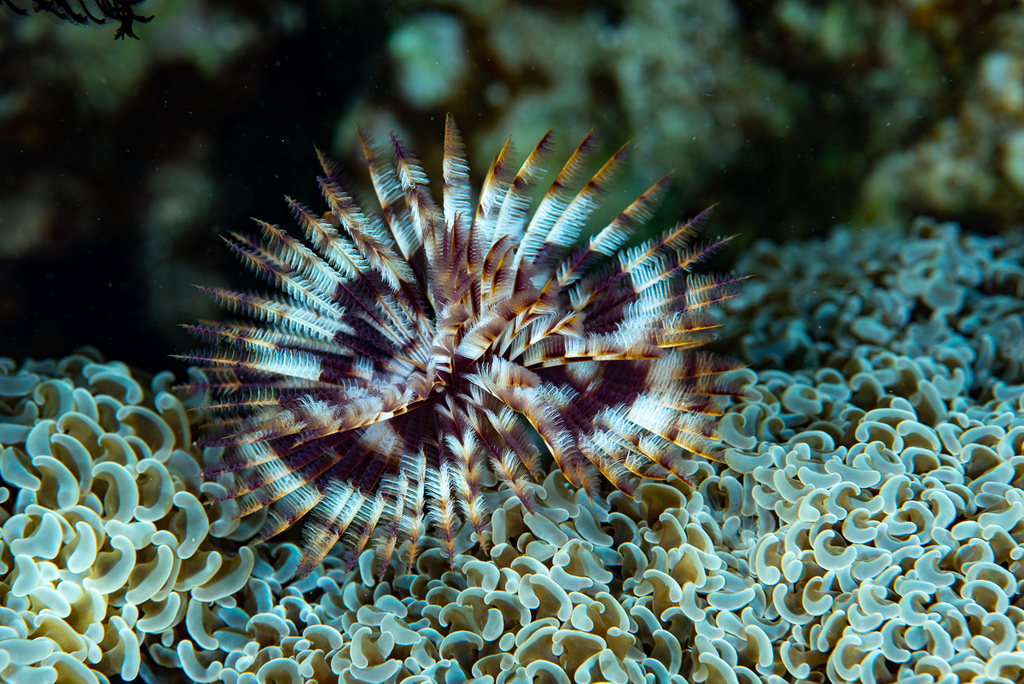
Finger tube worm
sabellastarte sanctijosephi
In Stock
Common stock
Wild Caught
Moderate care
With Caution
SKU: ML-MF-0483
The Finger Tube Worm is a striking marine species known for its vibrant colors and unique tube structure.
Pricing for Verified Importers
Log in to see wholesale prices and order.
Export Size
up to 30.0 cm
Origin
Coral Triangle
Temperature
24.0–28.0°C
Min. Tank Size
50 L
Salinity
30.000–35.000 ppt
pH
8.10–8.40
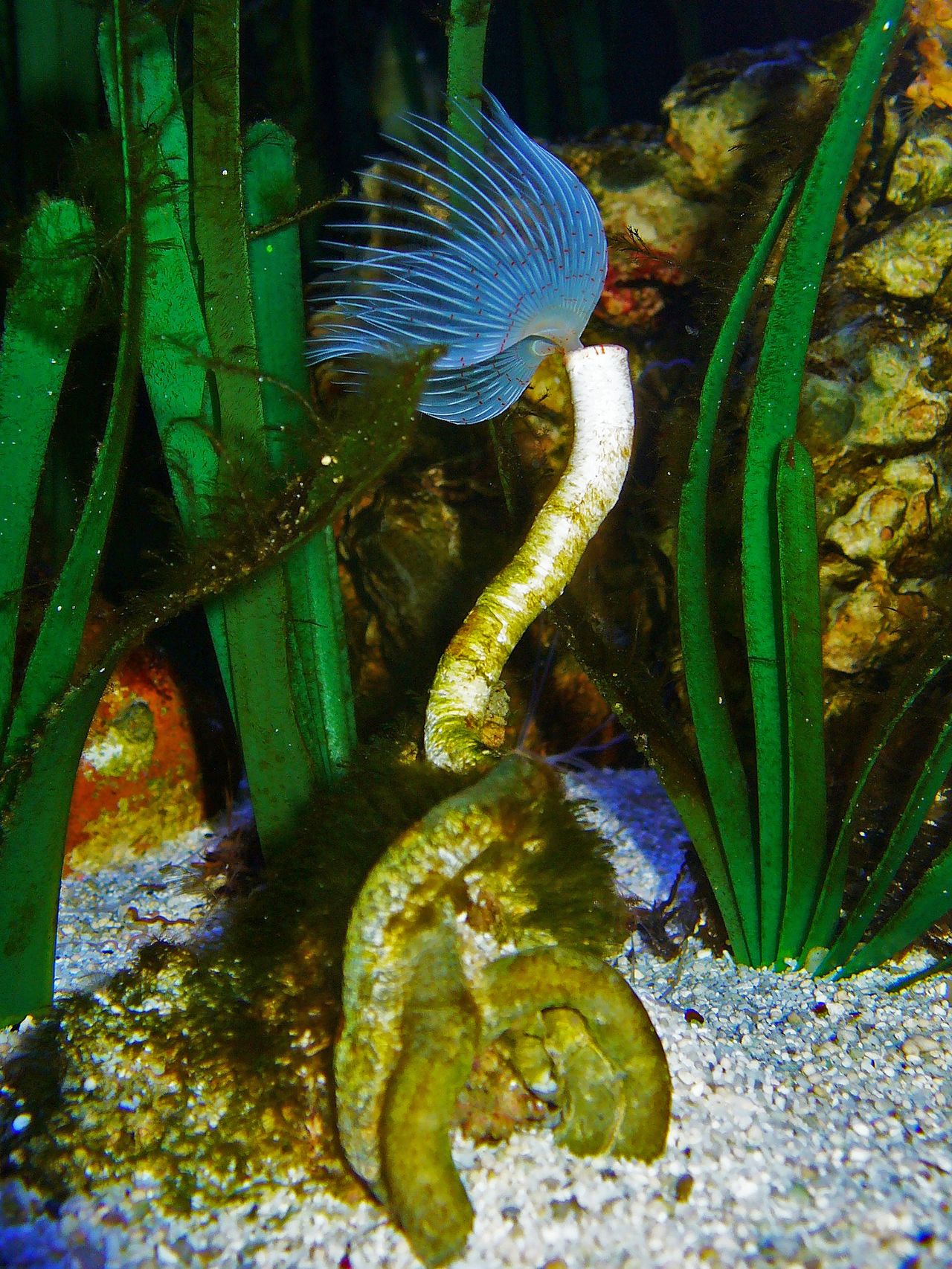
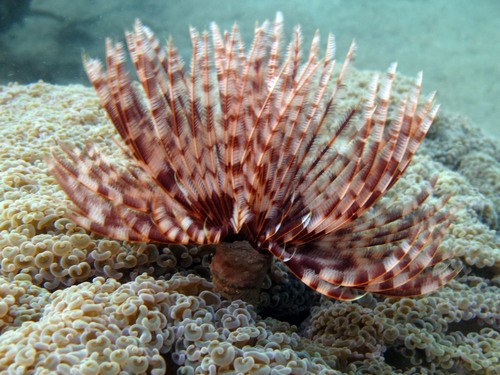
The Finger Tube Worm (Sabellastarte sanctijosephi) is a captivating marine annelid found predominantly in the Coral Triangle region. This species is characterized by its long, finger-like protrusions that extend from a protective tube made of sand and organic particles, showcasing a variety of vibrant colors that can range from deep reds to bright yellows and greens. These colorful appendages serve not only to attract potential mates but also to filter feed on plankton and organic material suspended in the water column.
In terms of behavior, the Finger Tube Worm is primarily sedentary, remaining anchored to its tube while extending its feeding appendages into the water. This adaptation allows it to efficiently capture food while minimizing energy expenditure. The species is often found in shallow, sandy substrates, where it can thrive among coral reefs or seagrass beds, contributing to the overall biodiversity of these ecosystems.
The habitat of the Finger Tube Worm is typically characterized by clear, warm waters with stable conditions. It prefers locations with moderate water movement that facilitates the delivery of food particles, allowing the worm to flourish in its ecological niche. As a part of the benthic community, it plays a vital role in the nutrient cycling within its environment, demonstrating the interconnectedness of marine life.
Overall, the Finger Tube Worm is not only a visually appealing addition to marine displays but also serves as an important ecological component in its natural habitat, making it a fascinating subject for both aquarists and researchers alike.
In terms of behavior, the Finger Tube Worm is primarily sedentary, remaining anchored to its tube while extending its feeding appendages into the water. This adaptation allows it to efficiently capture food while minimizing energy expenditure. The species is often found in shallow, sandy substrates, where it can thrive among coral reefs or seagrass beds, contributing to the overall biodiversity of these ecosystems.
The habitat of the Finger Tube Worm is typically characterized by clear, warm waters with stable conditions. It prefers locations with moderate water movement that facilitates the delivery of food particles, allowing the worm to flourish in its ecological niche. As a part of the benthic community, it plays a vital role in the nutrient cycling within its environment, demonstrating the interconnectedness of marine life.
Overall, the Finger Tube Worm is not only a visually appealing addition to marine displays but also serves as an important ecological component in its natural habitat, making it a fascinating subject for both aquarists and researchers alike.
When caring for Finger Tube Worms, it is crucial to maintain optimal water parameters to ensure their health and well-being. The ideal temperature range is between 24°C to 28°C, with a salinity level of 30 to 35 ppt. A stable pH between 8.1 and 8.4 is also important for their physiological processes. Providing a well-filtered environment with moderate water movement will mimic their natural habitat and promote their feeding behavior.
Feeding these worms is relatively straightforward, as they are filter feeders. A diet consisting of fine marine plankton, liquid foods designed for filter feeders, and small particulate matter will keep them nourished. Compatibility with other species is generally good, but care should be taken to avoid aggressive tank mates that may disturb their tubes or feeding appendages.
Acclimation is essential when introducing Finger Tube Worms to a new environment. Slowly acclimate them over several hours to minimize stress. It's also advisable to quarantine newly acquired specimens for at least two weeks to ensure they are free from disease before adding them to the main display tank. Regular observation and maintenance of water quality will help them thrive in captivity.
Feeding these worms is relatively straightforward, as they are filter feeders. A diet consisting of fine marine plankton, liquid foods designed for filter feeders, and small particulate matter will keep them nourished. Compatibility with other species is generally good, but care should be taken to avoid aggressive tank mates that may disturb their tubes or feeding appendages.
Acclimation is essential when introducing Finger Tube Worms to a new environment. Slowly acclimate them over several hours to minimize stress. It's also advisable to quarantine newly acquired specimens for at least two weeks to ensure they are free from disease before adding them to the main display tank. Regular observation and maintenance of water quality will help them thrive in captivity.
Finger Tube Worms are suitable for shipping due to their hardy nature. They should be packed in secure containers with adequate water to maintain hydration and minimize stress during transport. Temperature sensitivity requires maintaining a stable environment, ideally between 24°C and 28°C, throughout the shipping process. As of now, there are no CITES restrictions on this species, making it easier for exporters to handle.
Species Parameters
Max Adult Size
30.0 cm
Origin
Coral Triangle
Temp Min
24.0 °C
Temp Max
28.0 °C
Salinity Min
30.000
Salinity Max
35.000
pH Min
8.10
pH Max
8.40
Min Tank
50 L