Purple Slug
chromodoris lubocki
In Stock
Common stock
Wild Caught
Moderate care
With Caution
SKU: ML-MF-0517
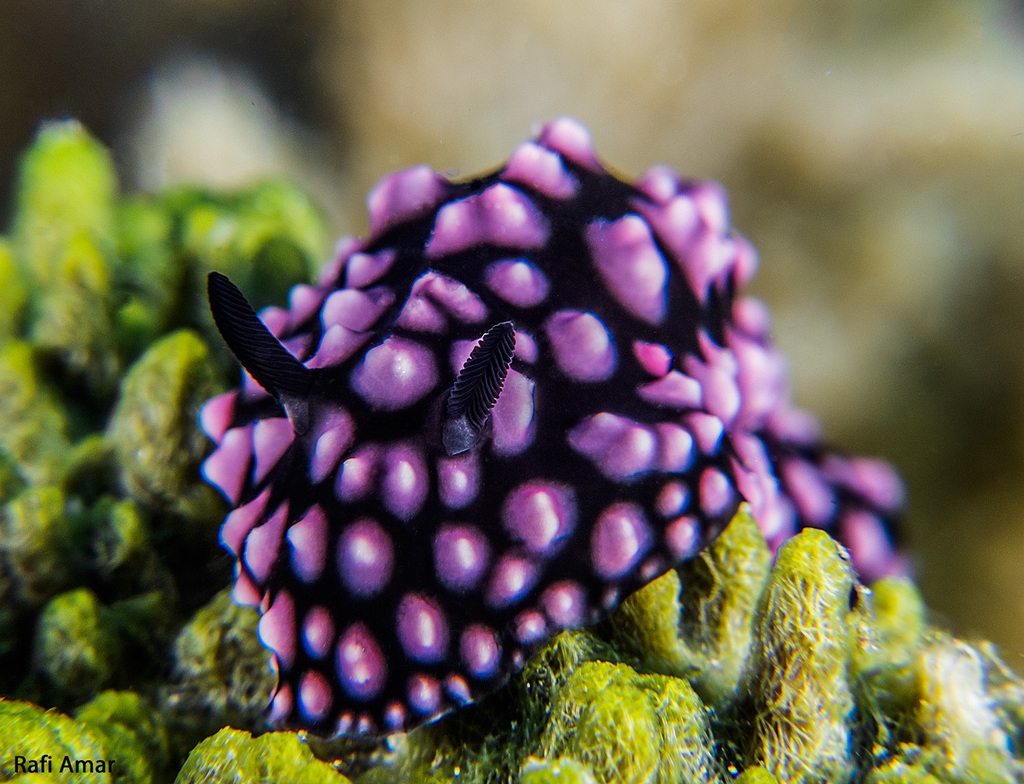
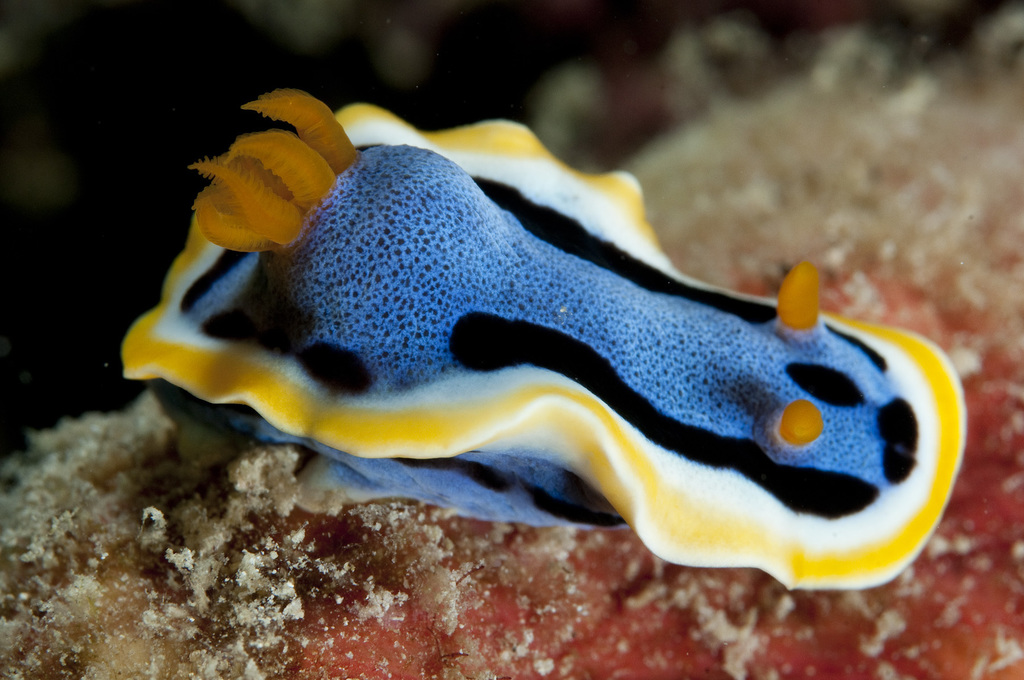
The Purple Slug (Chromodoris lubocki) is a vibrant marine gastropod, known for its stunning colors and unique patterns.
Pricing for Verified Importers
Log in to see wholesale prices and order.
Export Size
up to 6.0 cm
Origin
Coral Triangle
Temperature
24.0–28.0°C
Min. Tank Size
50 L
Salinity
30.000–35.000 ppt
pH
8.10–8.40
Diet
carnivore
The Purple Slug, scientifically known as Chromodoris lubocki, is a striking marine gastropod found primarily in the warm waters of the Coral Triangle, particularly around Bali, Indonesia. This species is renowned for its vivid purple coloration adorned with bright yellow and white spots, making it a favorite among marine enthusiasts and collectors. Its beautiful appearance not only serves as a defense mechanism, deterring predators, but also plays a crucial role in its mating rituals.
In terms of natural history, the Purple Slug is a nudibranch, a type of sea slug that breathes through its skin and possesses gills that are visible on its back. These fascinating creatures are often found in shallow waters, typically among coral reefs, where they feed primarily on sponges and other soft-bodied invertebrates. Their diet contributes to their vibrant coloration, as they derive chemical compounds from their food, which helps them build their defenses against potential threats.
Behaviorally, the Purple Slug is a slow-moving creature that relies on its bright colors to ward off predators. Its mating behavior is equally intriguing, as these slugs engage in elaborate courtship displays. During the breeding season, they can often be seen in pairs, displaying synchronized movements. Their reproductive habits include laying eggs in a spiral shape, which can be found attached to substrates in their habitat.
As a species, the Purple Slug thrives in environments rich in biodiversity, such as coral reefs. They prefer areas with plenty of hiding spots, allowing them to evade predators and rest during the day. Their presence in the ecosystem is vital, as they contribute to the health of the reef by controlling sponge populations and serving as prey for larger marine animals.
In terms of natural history, the Purple Slug is a nudibranch, a type of sea slug that breathes through its skin and possesses gills that are visible on its back. These fascinating creatures are often found in shallow waters, typically among coral reefs, where they feed primarily on sponges and other soft-bodied invertebrates. Their diet contributes to their vibrant coloration, as they derive chemical compounds from their food, which helps them build their defenses against potential threats.
Behaviorally, the Purple Slug is a slow-moving creature that relies on its bright colors to ward off predators. Its mating behavior is equally intriguing, as these slugs engage in elaborate courtship displays. During the breeding season, they can often be seen in pairs, displaying synchronized movements. Their reproductive habits include laying eggs in a spiral shape, which can be found attached to substrates in their habitat.
As a species, the Purple Slug thrives in environments rich in biodiversity, such as coral reefs. They prefer areas with plenty of hiding spots, allowing them to evade predators and rest during the day. Their presence in the ecosystem is vital, as they contribute to the health of the reef by controlling sponge populations and serving as prey for larger marine animals.
For importers and retailers, the Purple Slug requires a well-maintained marine environment to thrive. Ideal water parameters include a temperature range of 24-28°C, with a salinity level between 30-35 ppt. The pH should be maintained between 8.1 and 8.4 to ensure optimal health. A minimum tank size of 50 liters is recommended to provide ample space for swimming and hiding.
Feeding the Purple Slug can be done using a diet primarily composed of sponges, which can be provided in both live and frozen forms. It's essential to ensure that they receive a varied diet, as this will help maintain their vibrant coloration and health. Compatibility with other species should be approached with caution, as they can be sensitive to aggressive tank mates. It's advisable to house them with peaceful marine species.
Acclimation is crucial when introducing the Purple Slug to a new environment. A slow drip acclimation method is recommended to reduce stress. Quarantine is also advisable for new arrivals to prevent the introduction of potential diseases into established tanks. By following these guidelines, retailers can ensure the well-being of the Purple Slug in their aquatic collections.
Feeding the Purple Slug can be done using a diet primarily composed of sponges, which can be provided in both live and frozen forms. It's essential to ensure that they receive a varied diet, as this will help maintain their vibrant coloration and health. Compatibility with other species should be approached with caution, as they can be sensitive to aggressive tank mates. It's advisable to house them with peaceful marine species.
Acclimation is crucial when introducing the Purple Slug to a new environment. A slow drip acclimation method is recommended to reduce stress. Quarantine is also advisable for new arrivals to prevent the introduction of potential diseases into established tanks. By following these guidelines, retailers can ensure the well-being of the Purple Slug in their aquatic collections.
The Purple Slug is suitable for shipping, provided that careful measures are taken to maintain optimal conditions. A packing density of 1-2 individuals per liter is recommended to reduce stress during transit. This species is sensitive to temperature fluctuations; therefore, maintaining a temperature range of 24-26°C during shipping is crucial. CITES status is not applicable for Chromodoris lubocki, making it easier for export without the need for special permits.
Species Parameters
Max Adult Size
6.0 cm
Origin
Coral Triangle
Diet
carnivore
Temp Min
24.0 °C
Temp Max
28.0 °C
Salinity Min
30.000
Salinity Max
35.000
pH Min
8.10
pH Max
8.40
Min Tank
50 L