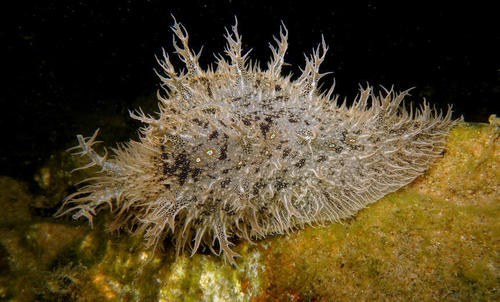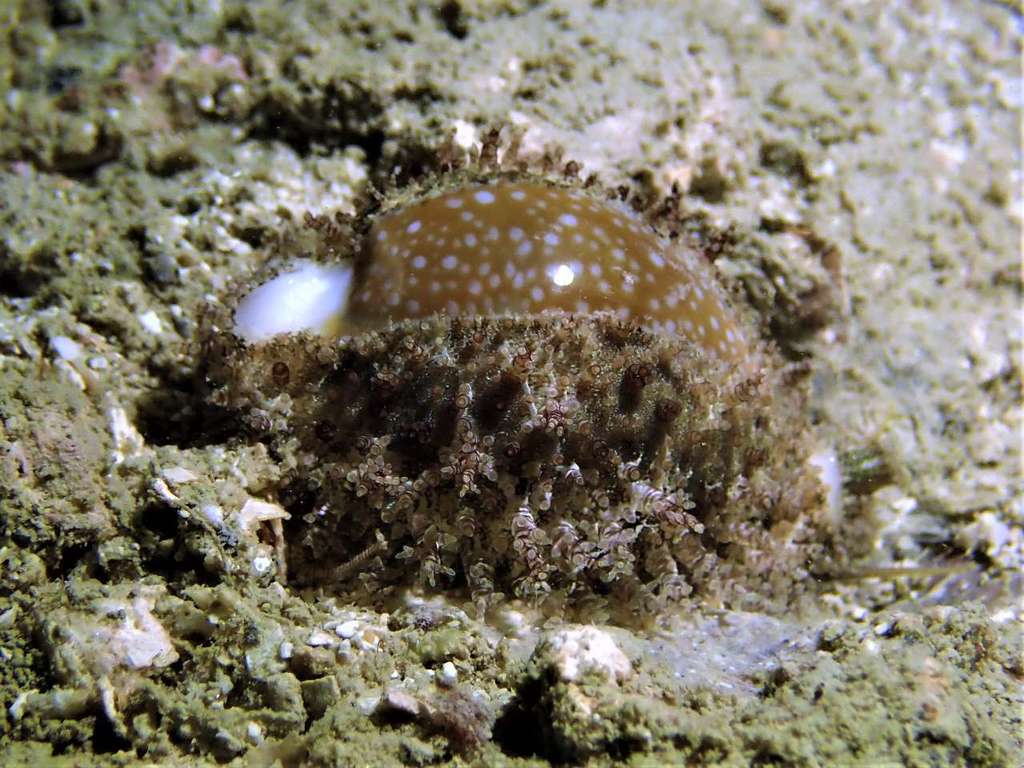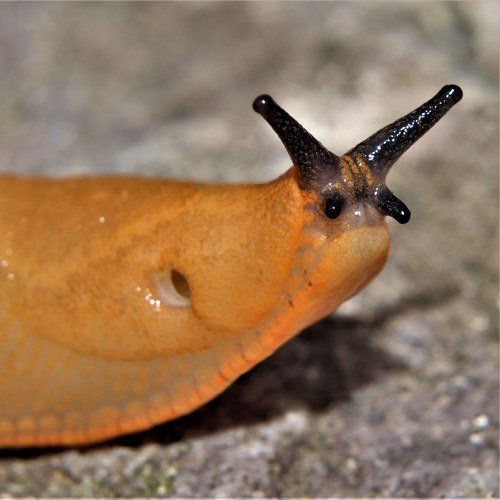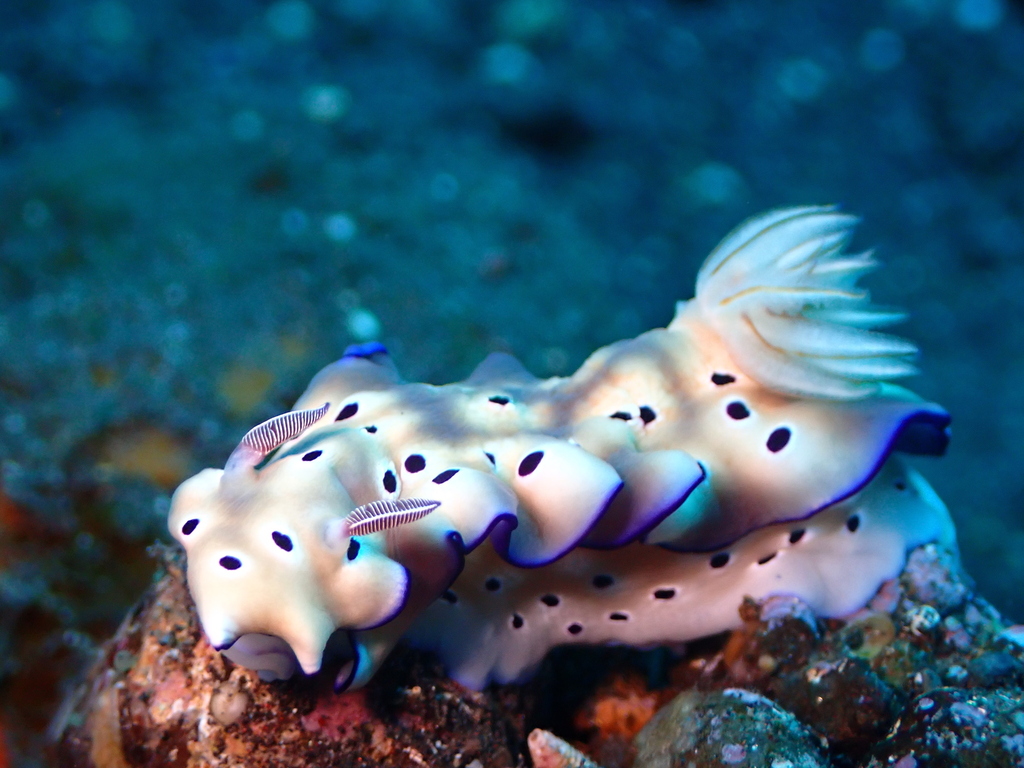
Leopard Snail
Buccinulum Corneum
In Stock
Common stock
Wild Caught
Moderate care
SKU: CB-SC-0151
The Leopard Snail is a unique freshwater invertebrate known for its striking pattern and beneficial role in the aquarium ecosystem.
Pricing for Verified Importers
Log in to see wholesale prices and order.
Export Size
up to 5.0 cm
Origin
Southeast Asia
Temperature
22.0–28.0°C
Min. Tank Size
30 L
pH
6.50–7.50
Diet
herbivore
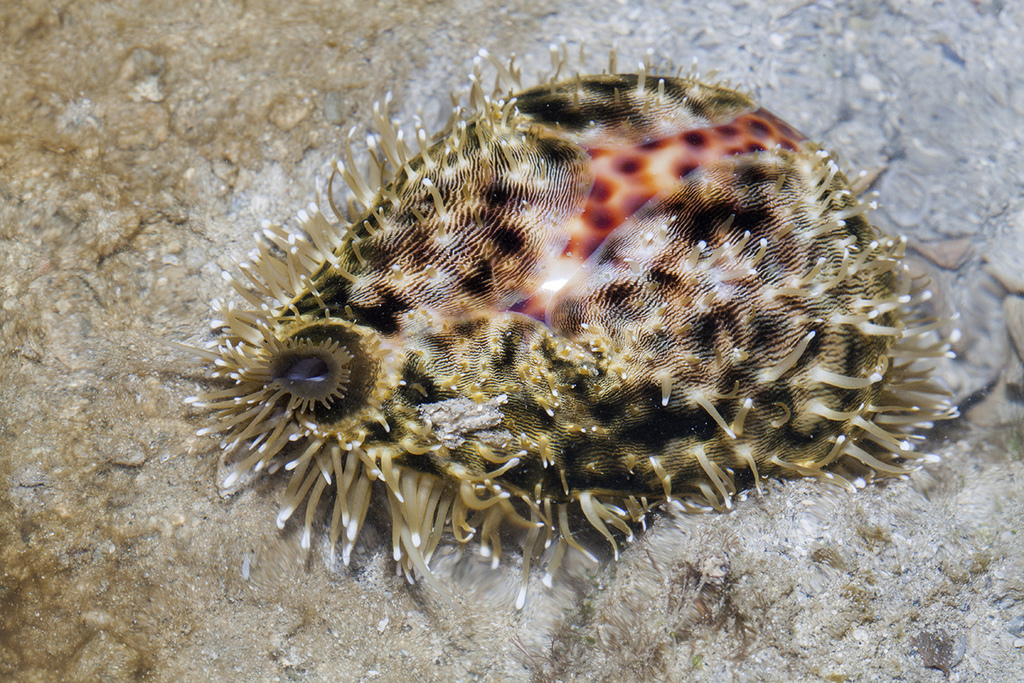
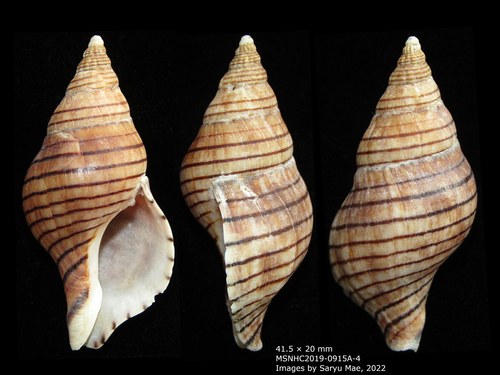
The Leopard Snail (Buccinulum corneum) is a fascinating freshwater invertebrate native to Southeast Asia, particularly found in the lush waters of Bali, Indonesia. This species is characterized by its distinctive leopard-like patterned shell, featuring a blend of earthy tones and intricate markings that provide both camouflage and aesthetic appeal in aquariums. Reaching a maximum size of about 5 cm, these snails exhibit a gentle and slow-paced lifestyle, making them intriguing additions to both community and species-specific tanks.
In their natural habitat, Leopard Snails inhabit freshwater rivers and streams, where they thrive among aquatic vegetation and substrate. Their diet primarily consists of algae, detritus, and decaying organic matter, which they graze upon, helping to maintain a clean environment. Leopard Snails are known for their unique feeding behavior, as they utilize a specialized radula to scrape food particles off surfaces. This not only benefits their health but also contributes positively to the overall ecosystem of the aquarium.
Behaviorally, Leopard Snails are relatively peaceful and can coexist with a variety of fish and invertebrate species. However, they may be sensitive to certain aggressive tank mates that could disturb their tranquility. These snails are also known to be quite hardy, adapting well to a range of water conditions, which makes them suitable for both novice and experienced aquarists. Their slow movement and gentle nature create a serene atmosphere in any aquatic setup.
Due to their ecological role and unique appearance, Leopard Snails are increasingly sought after by aquarium enthusiasts. They not only add visual interest but also play a crucial part in maintaining water quality by consuming excess algae and organic waste. This makes them a valuable addition to any freshwater aquarium, particularly for those looking to create a balanced and thriving aquatic ecosystem.
In their natural habitat, Leopard Snails inhabit freshwater rivers and streams, where they thrive among aquatic vegetation and substrate. Their diet primarily consists of algae, detritus, and decaying organic matter, which they graze upon, helping to maintain a clean environment. Leopard Snails are known for their unique feeding behavior, as they utilize a specialized radula to scrape food particles off surfaces. This not only benefits their health but also contributes positively to the overall ecosystem of the aquarium.
Behaviorally, Leopard Snails are relatively peaceful and can coexist with a variety of fish and invertebrate species. However, they may be sensitive to certain aggressive tank mates that could disturb their tranquility. These snails are also known to be quite hardy, adapting well to a range of water conditions, which makes them suitable for both novice and experienced aquarists. Their slow movement and gentle nature create a serene atmosphere in any aquatic setup.
Due to their ecological role and unique appearance, Leopard Snails are increasingly sought after by aquarium enthusiasts. They not only add visual interest but also play a crucial part in maintaining water quality by consuming excess algae and organic waste. This makes them a valuable addition to any freshwater aquarium, particularly for those looking to create a balanced and thriving aquatic ecosystem.
To successfully maintain Leopard Snails in an aquarium, it is essential to provide stable water parameters. The ideal temperature range for these snails is between 22°C and 28°C, with a pH level between 6.5 and 7.5. While they are adaptable, sudden changes in water quality should be avoided, as this can stress the snails. It is recommended to keep them in a minimum tank size of 30 liters to allow for adequate swimming space and to support a healthy environment.
Feeding Leopard Snails is relatively simple, as they are primarily herbivores. A diet consisting of algae wafers, blanched vegetables, and occasional calcium-rich supplements will ensure their shells remain strong and healthy. It's important to monitor their food intake to prevent overfeeding, which can lead to water quality issues.
Compatibility-wise, Leopard Snails do well with most peaceful freshwater species but should be kept away from aggressive fish that might harm them. Acclimation should be done slowly to prevent shock; floating the bag in the tank for about 15-20 minutes before introducing them is recommended. Quarantine new arrivals for at least two weeks to prevent the introduction of pests or diseases into the main tank.
Feeding Leopard Snails is relatively simple, as they are primarily herbivores. A diet consisting of algae wafers, blanched vegetables, and occasional calcium-rich supplements will ensure their shells remain strong and healthy. It's important to monitor their food intake to prevent overfeeding, which can lead to water quality issues.
Compatibility-wise, Leopard Snails do well with most peaceful freshwater species but should be kept away from aggressive fish that might harm them. Acclimation should be done slowly to prevent shock; floating the bag in the tank for about 15-20 minutes before introducing them is recommended. Quarantine new arrivals for at least two weeks to prevent the introduction of pests or diseases into the main tank.
Leopard Snails are generally suitable for shipping, provided proper care is taken. They should be packed in moisture-retentive materials to maintain humidity and prevent desiccation. A packing density of 1-2 snails per liter is advisable, ensuring adequate space for movement. These snails are sensitive to extreme temperatures, so maintaining a stable temperature between 20°C and 25°C during transit is crucial. Currently, Leopard Snails are not listed under CITES, making them easier to export.
Species Parameters
Max Adult Size
5.0 cm
Origin
Southeast Asia
Diet
herbivore
Temp Min
22.0 °C
Temp Max
28.0 °C
pH Min
6.50
pH Max
7.50
Min Tank
30 L