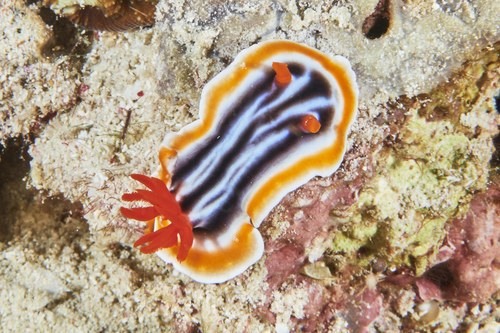
Red Leg Hermit Crab
Red Leg Hermit Crab
In Stock
Common stock
Wild Caught
Moderate care
SKU: CB-SC-0147
Discover the vibrant Red Leg Hermit Crab, a unique addition to your aquatic collection.
Pricing for Verified Importers
Log in to see wholesale prices and order.
Export Size
up to 5.0 cm
Origin
Indo-Pacific
Temperature
24.0–28.0°C
Min. Tank Size
20 L
pH
7.50–8.50
Diet
omnivore
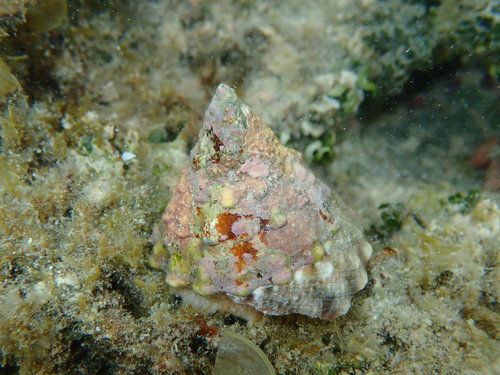
The Red Leg Hermit Crab (Clibanarius digueti) is a striking invertebrate known for its vivid red legs and adaptable nature. Found primarily in the shallow waters of the Indo-Pacific, these crabs often inhabit empty shells of gastropods, which they carry on their backs for protection. Their striking appearance and engaging behaviors make them a popular choice among aquarium enthusiasts and retailers alike.
In terms of natural history, Red Leg Hermit Crabs play an essential role in their ecosystems, contributing to the health of coral reefs by helping to clean detritus and algae. These crabs demonstrate a fascinating behavior of shell-switching, where they actively exchange shells with one another to find a better fit as they grow. This social interaction not only showcases their intelligence but also emphasizes their adaptability in varying environments.
Appearance-wise, the Red Leg Hermit Crab is characterized by its bright red legs, which contrast beautifully with the shells they inhabit. They typically range in size from 2 to 5 cm, making them a manageable size for home aquariums. Their shells can vary in color and texture, often reflecting the natural surroundings of their habitat. This diversity contributes to their appeal as a decorative and functional part of marine ecosystems.
Habitat-wise, these crabs prefer sandy substrates and rocky areas where they can find ample food and suitable shells. They are most commonly found in tide pools and coral reefs, where they thrive on a diet of algae, detritus, and organic matter. With proper care, the Red Leg Hermit Crab can adapt well to aquarium life, offering both aesthetic beauty and ecological benefits.
In terms of natural history, Red Leg Hermit Crabs play an essential role in their ecosystems, contributing to the health of coral reefs by helping to clean detritus and algae. These crabs demonstrate a fascinating behavior of shell-switching, where they actively exchange shells with one another to find a better fit as they grow. This social interaction not only showcases their intelligence but also emphasizes their adaptability in varying environments.
Appearance-wise, the Red Leg Hermit Crab is characterized by its bright red legs, which contrast beautifully with the shells they inhabit. They typically range in size from 2 to 5 cm, making them a manageable size for home aquariums. Their shells can vary in color and texture, often reflecting the natural surroundings of their habitat. This diversity contributes to their appeal as a decorative and functional part of marine ecosystems.
Habitat-wise, these crabs prefer sandy substrates and rocky areas where they can find ample food and suitable shells. They are most commonly found in tide pools and coral reefs, where they thrive on a diet of algae, detritus, and organic matter. With proper care, the Red Leg Hermit Crab can adapt well to aquarium life, offering both aesthetic beauty and ecological benefits.
To ensure the health of Red Leg Hermit Crabs in aquariums, it's crucial to maintain stable water parameters. The ideal temperature range is between 24-28°C, with a pH of 7.5-8.5. While they are not freshwater species, they thrive in brackish conditions, making salinity adjustments essential for optimal health. A minimum tank size of 20 liters is recommended, providing ample space for movement and shell exploration.
Feeding these crabs is straightforward, as they are omnivorous scavengers. A diet consisting of high-quality pellets, algae wafers, and occasional protein sources like shrimp or fish flakes will ensure they receive the necessary nutrients. Compatibility with other species is generally good; however, avoid housing them with aggressive tank mates that may compete for shells or food.
Acclimation is critical when introducing Red Leg Hermit Crabs into a new environment. Gradually acclimate them to the tank water over a period of 1-2 hours. Quarantine new arrivals for 2-4 weeks to monitor for any signs of disease or stress before adding them to your main tank. This practice helps maintain a healthy aquarium ecosystem.
Feeding these crabs is straightforward, as they are omnivorous scavengers. A diet consisting of high-quality pellets, algae wafers, and occasional protein sources like shrimp or fish flakes will ensure they receive the necessary nutrients. Compatibility with other species is generally good; however, avoid housing them with aggressive tank mates that may compete for shells or food.
Acclimation is critical when introducing Red Leg Hermit Crabs into a new environment. Gradually acclimate them to the tank water over a period of 1-2 hours. Quarantine new arrivals for 2-4 weeks to monitor for any signs of disease or stress before adding them to your main tank. This practice helps maintain a healthy aquarium ecosystem.
Red Leg Hermit Crabs are suitable for shipping due to their hardy nature. During transport, they should be packed with sufficient moisture and space to avoid overcrowding; a density of 5-10 crabs per liter is recommended. These crabs are sensitive to extreme temperatures, so maintaining a stable environment between 20-26°C during shipping is crucial. They are not listed under CITES, making them easier to export.
Species Parameters
Max Adult Size
5.0 cm
Origin
Indo-Pacific
Diet
omnivore
Temp Min
24.0 °C
Temp Max
28.0 °C
pH Min
7.50
pH Max
8.50
Min Tank
20 L