Yellow Feather Duster
Sabellastarte Indica
In Stock
Common stock
Wild Caught
Moderate care
SKU: CB-SC-0143
The Yellow Feather Duster is a vibrant marine invertebrate that adds unique beauty to any aquarium.
Pricing for Verified Importers
Log in to see wholesale prices and order.
Export Size
up to 15.0 cm
Origin
Indo-Pacific
Temperature
24.0–28.0°C
Min. Tank Size
50 L
pH
8.10–8.40
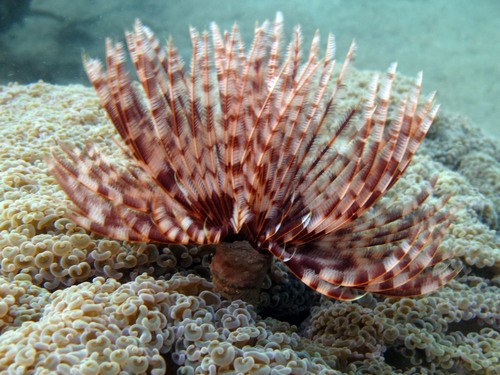
The Yellow Feather Duster (Sabellastarte Indica) is a stunning marine invertebrate belonging to the family Sabellidae. Characterized by its bright yellow, feathery crown, this species is a type of polychaete worm that inhabits coral reefs and sandy substrates across the Indo-Pacific region. Its captivating appearance not only provides aesthetic value but also plays a crucial role in the marine ecosystem, contributing to the filtration of water and serving as a food source for various marine organisms.
In terms of behavior, the Yellow Feather Duster is a sedentary creature, often found anchored to a substrate using its tube-like body. The tube is made from a mix of sand and mucus, which the worm secretes to create a protective dwelling. This species exhibits a fascinating feeding mechanism, extending its crown to capture plankton and organic particles from the water, showcasing its role as a filter feeder. The vibrant coloration of its crown is not only visually appealing but also serves as a camouflage against predators in the wild.
Natural habitats for the Yellow Feather Duster include coral reefs and shallow lagoons, where it thrives in nutrient-rich waters. This species prefers areas with moderate water movement, which aids in the capture of food particles. As a keystone species, it plays a significant role in maintaining the health of its ecosystem, making it an important addition to any marine aquarium.
The Yellow Feather Duster is not just a beautiful specimen but also a fascinating creature to observe, as it retracts its crown when threatened and can regenerate its crown if lost. This resilience adds to its allure for aquarium enthusiasts and provides an engaging experience for those who keep them in captivity.
In terms of behavior, the Yellow Feather Duster is a sedentary creature, often found anchored to a substrate using its tube-like body. The tube is made from a mix of sand and mucus, which the worm secretes to create a protective dwelling. This species exhibits a fascinating feeding mechanism, extending its crown to capture plankton and organic particles from the water, showcasing its role as a filter feeder. The vibrant coloration of its crown is not only visually appealing but also serves as a camouflage against predators in the wild.
Natural habitats for the Yellow Feather Duster include coral reefs and shallow lagoons, where it thrives in nutrient-rich waters. This species prefers areas with moderate water movement, which aids in the capture of food particles. As a keystone species, it plays a significant role in maintaining the health of its ecosystem, making it an important addition to any marine aquarium.
The Yellow Feather Duster is not just a beautiful specimen but also a fascinating creature to observe, as it retracts its crown when threatened and can regenerate its crown if lost. This resilience adds to its allure for aquarium enthusiasts and provides an engaging experience for those who keep them in captivity.
When caring for the Yellow Feather Duster, maintaining optimal water parameters is essential. The ideal temperature range is between 24°C to 28°C, with a pH level maintained between 8.1 and 8.4. These creatures thrive in stable environments, so regular monitoring and maintenance of water quality are crucial. While they are not particularly demanding in terms of salinity, ensuring the water is clean and well-filtered will promote their health and longevity.
Feeding the Yellow Feather Duster involves providing a suitable diet rich in fine particles. They are primarily filter feeders, so offering phytoplankton, liquid coral foods, or finely crushed foods will cater to their dietary needs. Regular feeding, about two to three times a week, will help them flourish in a captive environment. It's important to avoid overfeeding, as excess food can lead to poor water quality.
In terms of compatibility, the Yellow Feather Duster generally cohabitates well with other peaceful marine species. They should be placed in tanks with minimal water movement to prevent stress. Acclimation is vital; introduce them slowly to avoid shock. Quarantine new arrivals for at least two weeks to monitor for diseases before adding them to the main display.
Overall, with proper care and attention to their environmental needs, the Yellow Feather Duster can thrive, providing both beauty and ecological benefits in a marine aquarium.
Feeding the Yellow Feather Duster involves providing a suitable diet rich in fine particles. They are primarily filter feeders, so offering phytoplankton, liquid coral foods, or finely crushed foods will cater to their dietary needs. Regular feeding, about two to three times a week, will help them flourish in a captive environment. It's important to avoid overfeeding, as excess food can lead to poor water quality.
In terms of compatibility, the Yellow Feather Duster generally cohabitates well with other peaceful marine species. They should be placed in tanks with minimal water movement to prevent stress. Acclimation is vital; introduce them slowly to avoid shock. Quarantine new arrivals for at least two weeks to monitor for diseases before adding them to the main display.
Overall, with proper care and attention to their environmental needs, the Yellow Feather Duster can thrive, providing both beauty and ecological benefits in a marine aquarium.
The Yellow Feather Duster is a sensitive species during shipping, requiring careful handling to ensure survival. Ideal packing density should not exceed 1-2 individuals per liter, allowing adequate space and water circulation. Maintain a temperature between 20°C and 25°C during transit to prevent stress. This species is not listed under CITES, but adherence to local regulations is recommended to ensure ethical sourcing.
Species Parameters
Max Adult Size
15.0 cm
Origin
Indo-Pacific
Temp Min
24.0 °C
Temp Max
28.0 °C
pH Min
8.10
pH Max
8.40
Min Tank
50 L