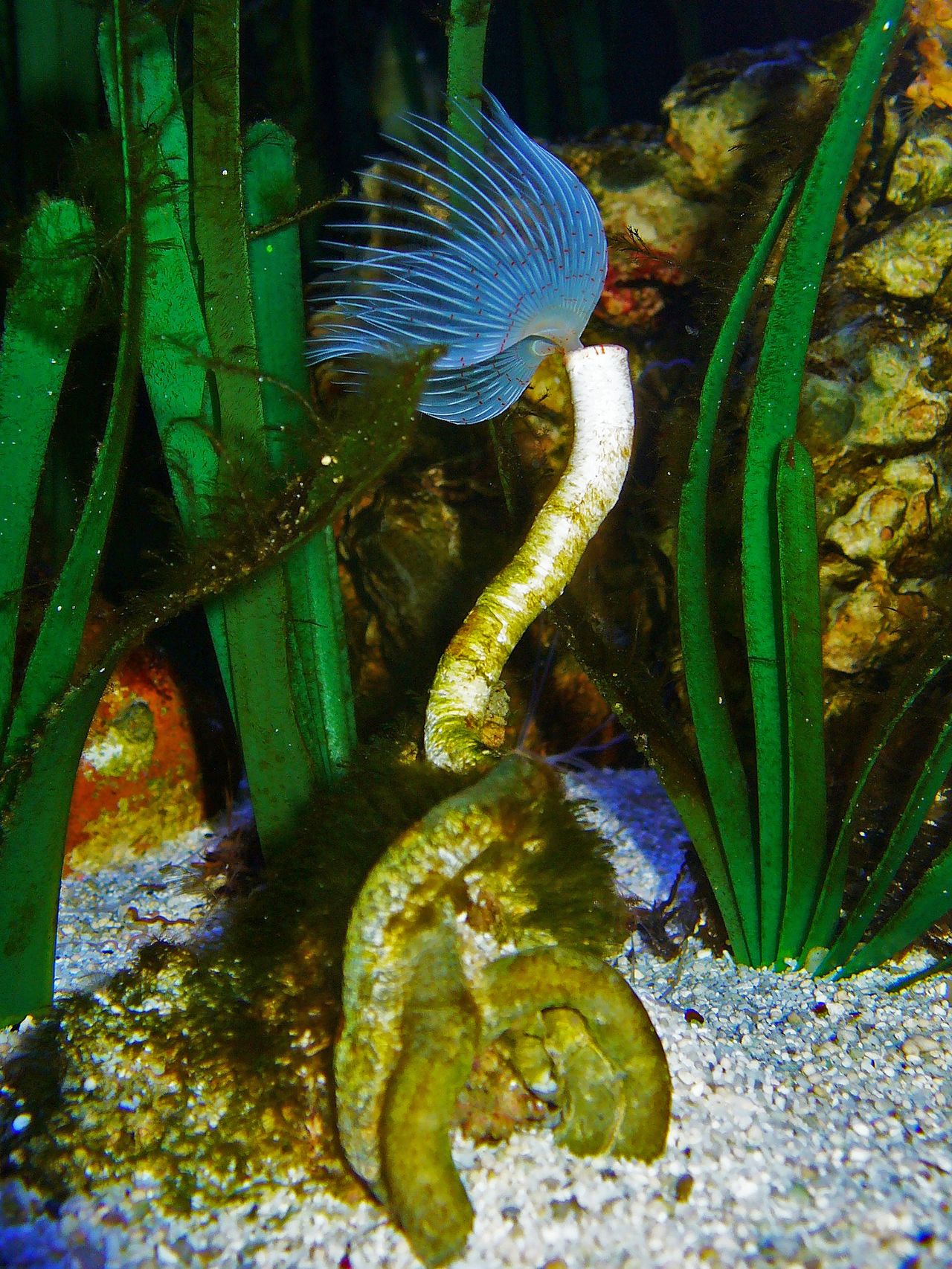
Red & white tube worm soft
protula
In Stock
Common stock
Wild Caught
Moderate care
With Caution
SKU: ML-MF-0537
Discover the vibrant beauty of the Red & White Tube Worm Soft (Protula), a stunning marine species.
Pricing for Verified Importers
Log in to see wholesale prices and order.
Export Size
up to 20.0 cm
Origin
Indo-Pacific
Temperature
24.0–28.0°C
Min. Tank Size
100 L
Salinity
30.000–35.000 ppt
pH
8.10–8.40
The Red & White Tube Worm Soft (Protula) is a remarkable marine species found in the tropical waters of the Indo-Pacific region. Known for its striking coloration, this species features a vibrant red and white appearance that adds a unique aesthetic to any aquarium. Typically, these tube worms reside in rocky substrates and coral reefs, where they construct their tubular homes using calcareous materials and organic debris. This behavior not only provides protection but also creates a stable environment for feeding and growth.
These worms exhibit fascinating behaviors, including the ability to retract into their tubes when threatened, showcasing their natural defense mechanism. They are filter feeders, using their specialized crown of tentacles to capture plankton and organic particles from the water column. This feeding strategy not only sustains their nutritional needs but also contributes to the overall health of the reef ecosystem by helping to filter and clean the water.
In terms of appearance, the Red & White Tube Worm Soft can grow to a maximum size of approximately 20 cm. Their vibrant color patterns serve as a visual reminder of the biodiversity present in marine environments. The contrast between the bright red and white sections makes them an attractive addition to aquariums, appealing to both enthusiasts and professionals alike.
Habitat-wise, these worms thrive in areas with moderate water flow, where they can efficiently capture food particles. They are typically found at depths ranging from shallow coastal waters to deeper reef systems, making them adaptable to various marine conditions. Their presence in an aquarium not only enhances its visual appeal but also promotes a balanced ecosystem, making them a valuable species for both importers and wholesalers.
These worms exhibit fascinating behaviors, including the ability to retract into their tubes when threatened, showcasing their natural defense mechanism. They are filter feeders, using their specialized crown of tentacles to capture plankton and organic particles from the water column. This feeding strategy not only sustains their nutritional needs but also contributes to the overall health of the reef ecosystem by helping to filter and clean the water.
In terms of appearance, the Red & White Tube Worm Soft can grow to a maximum size of approximately 20 cm. Their vibrant color patterns serve as a visual reminder of the biodiversity present in marine environments. The contrast between the bright red and white sections makes them an attractive addition to aquariums, appealing to both enthusiasts and professionals alike.
Habitat-wise, these worms thrive in areas with moderate water flow, where they can efficiently capture food particles. They are typically found at depths ranging from shallow coastal waters to deeper reef systems, making them adaptable to various marine conditions. Their presence in an aquarium not only enhances its visual appeal but also promotes a balanced ecosystem, making them a valuable species for both importers and wholesalers.
The Red & White Tube Worm Soft (Protula) requires specific water parameters to thrive in an aquarium setting. Ideal temperatures range between 24°C to 28°C, with salinity levels maintained between 30 to 35 ppt. pH should be kept between 8.1 and 8.4 to mimic their natural habitat. It is recommended to have a minimum tank size of 100 liters to provide ample space for their tubular structures and ensure proper water quality.
Feeding these tube worms involves offering a varied diet consisting of microalgae, plankton, and other fine particulate foods. Regular feeding, approximately 2-3 times a week, is essential to ensure their health and growth. Compatibility with other tank inhabitants is generally favorable, but caution should be exercised with aggressive species that may disturb their tubes or compete for food.
Acclimation is crucial when introducing Red & White Tube Worm Soft to a new environment. A slow acclimation process over several hours is recommended to minimize stress. Quarantine procedures should also be implemented to prevent the introduction of pathogens into the main tank, ensuring the health of the entire ecosystem. Regular monitoring of water parameters will help maintain a stable environment for these delicate creatures.
Feeding these tube worms involves offering a varied diet consisting of microalgae, plankton, and other fine particulate foods. Regular feeding, approximately 2-3 times a week, is essential to ensure their health and growth. Compatibility with other tank inhabitants is generally favorable, but caution should be exercised with aggressive species that may disturb their tubes or compete for food.
Acclimation is crucial when introducing Red & White Tube Worm Soft to a new environment. A slow acclimation process over several hours is recommended to minimize stress. Quarantine procedures should also be implemented to prevent the introduction of pathogens into the main tank, ensuring the health of the entire ecosystem. Regular monitoring of water parameters will help maintain a stable environment for these delicate creatures.
Shipping the Red & White Tube Worm Soft requires careful consideration of temperature sensitivity and packing density. It is advisable to ship them in insulated boxes with adequate water volume to maintain temperature stability during transit. A packing density of 1-2 individuals per liter is recommended to ensure their well-being. This species is not listed under CITES, simplifying export procedures. However, maintaining optimal conditions during shipping is essential to ensure their survival and health upon arrival.
Species Parameters
Max Adult Size
20.0 cm
Origin
Indo-Pacific
Temp Min
24.0 °C
Temp Max
28.0 °C
Salinity Min
30.000
Salinity Max
35.000
pH Min
8.10
pH Max
8.40
Min Tank
100 L