CITES App. II
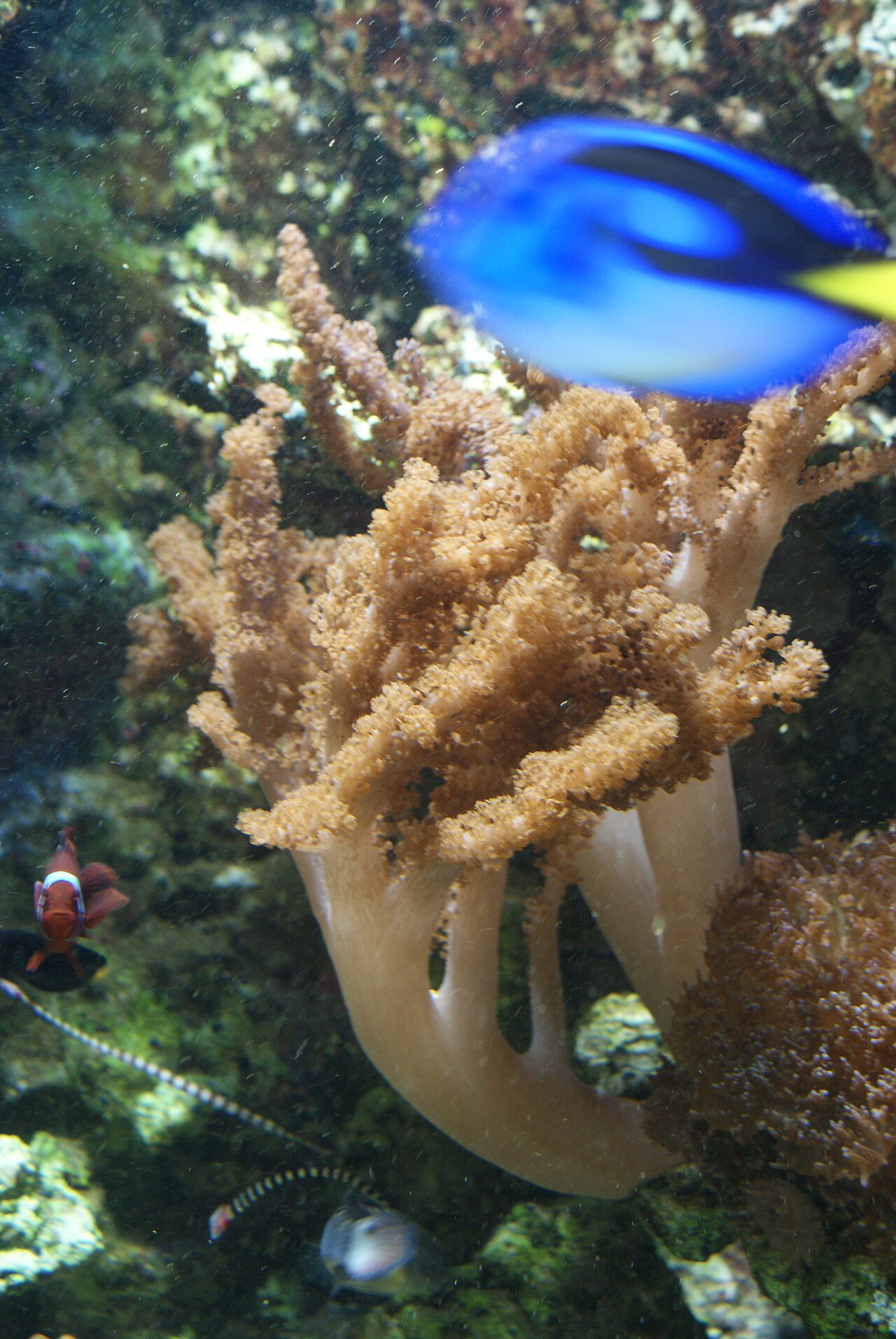
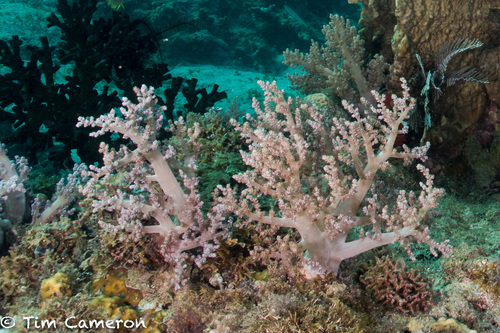
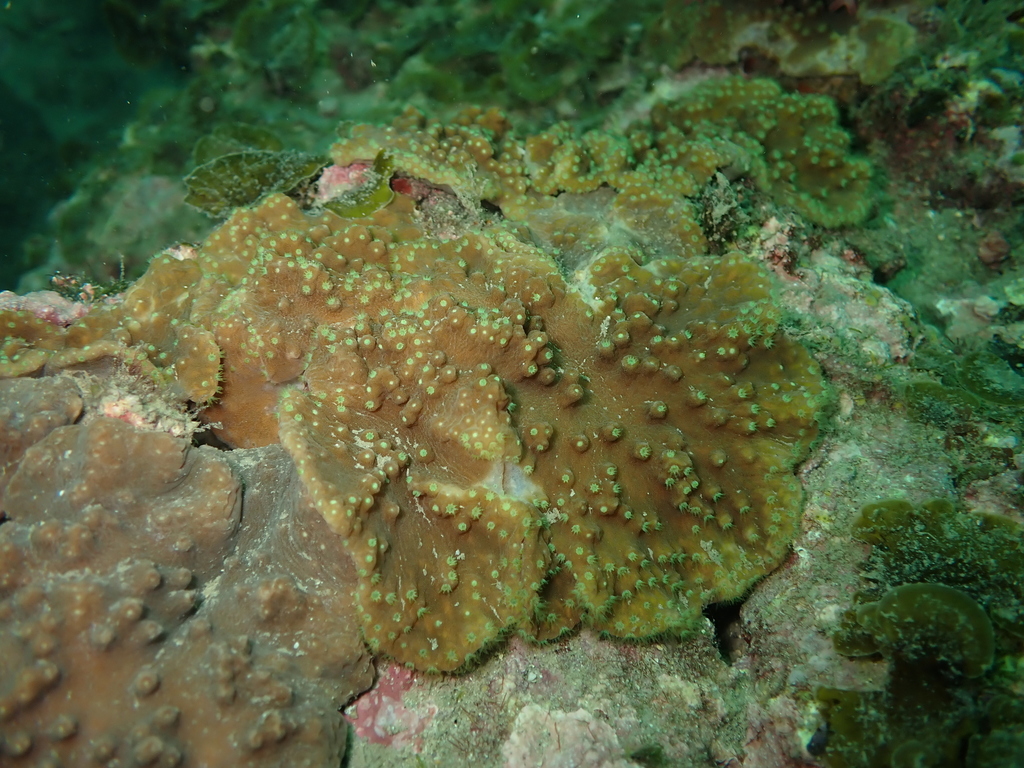
Finger Curly Soft Coral
Sinularia Sp.
In Stock
Common stock
Wild Caught
Moderate care
Reef Safe ✓
SKU: CB-SC-0042
The Finger Curly Soft Coral showcases vibrant colors and unique textures, perfect for dynamic reef displays.
Pricing for Verified Importers
Log in to see wholesale prices and order.
Export Size
up to 30.0 cm
Origin
Coral Triangle
Temperature
24.0–28.0°C
Min. Tank Size
100 L
Salinity
34.000–35.000 ppt
pH
8.10–8.40
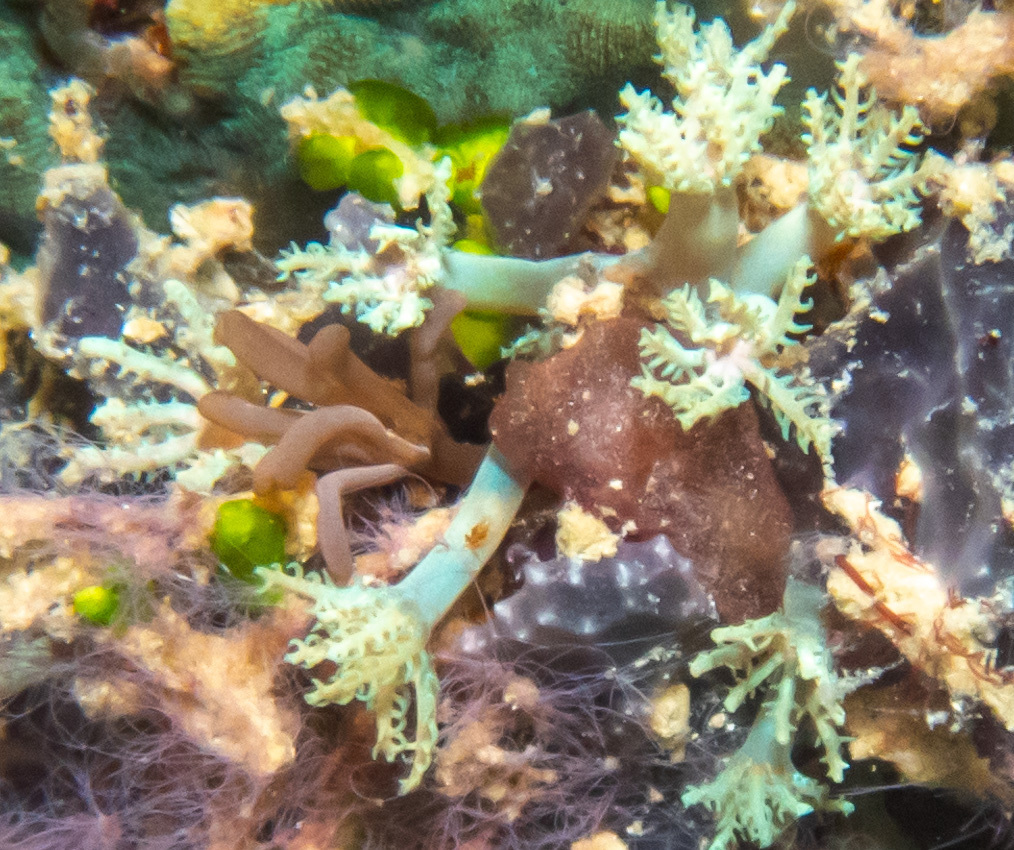
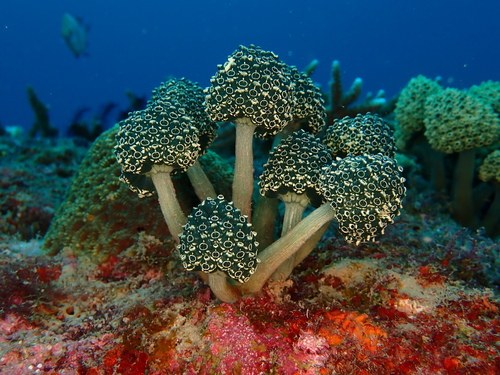
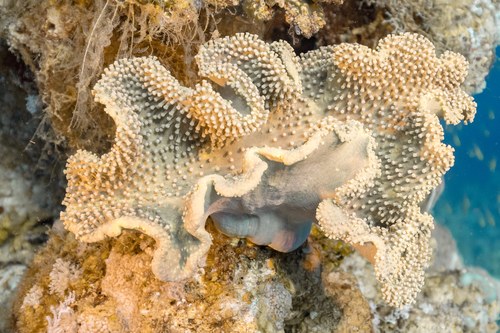
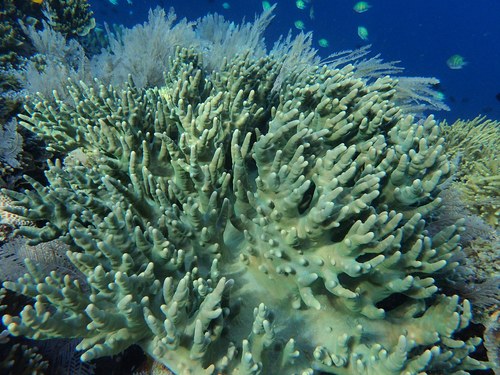
The Finger Curly Soft Coral (Sinularia sp.) is renowned for its striking appearance and adaptability in various marine environments. Found primarily in the Coral Triangle, this coral species thrives in shallow waters, where it can receive ample light while also benefiting from water flow that brings nutrients. Its unique finger-like polyps exhibit a curly texture, making it a stunning addition to any aquarium, while also providing habitat for small marine organisms.
In terms of behavior, the Finger Curly Soft Coral exhibits a symbiotic relationship with zooxanthellae, allowing it to photosynthesize while also capturing planktonic food particles from the water. This dual feeding strategy enhances its growth and resilience in fluctuating conditions, which is vital for thriving in diverse aquarium setups. Its soft, flexible structure allows it to sway gently with water currents, adding movement and life to the aquarium environment.
Habitat-wise, the Finger Curly Soft Coral prefers environments with moderate to strong water flow, and it can be found on reef slopes and in lagoons, often associated with other coral species. This adaptability not only makes it an attractive choice for aquarists but also contributes to its success in various marine ecosystems. Its ability to tolerate slight variations in water quality further enhances its popularity among reef enthusiasts.
Overall, the Finger Curly Soft Coral is not just a visually appealing coral but also an essential component of the reef ecosystem, providing shelter and food for many marine species. Its hardy nature and unique morphology make it a sought-after species in the marine hobbyist market, further establishing its significance in both natural and aquarium settings.
In terms of behavior, the Finger Curly Soft Coral exhibits a symbiotic relationship with zooxanthellae, allowing it to photosynthesize while also capturing planktonic food particles from the water. This dual feeding strategy enhances its growth and resilience in fluctuating conditions, which is vital for thriving in diverse aquarium setups. Its soft, flexible structure allows it to sway gently with water currents, adding movement and life to the aquarium environment.
Habitat-wise, the Finger Curly Soft Coral prefers environments with moderate to strong water flow, and it can be found on reef slopes and in lagoons, often associated with other coral species. This adaptability not only makes it an attractive choice for aquarists but also contributes to its success in various marine ecosystems. Its ability to tolerate slight variations in water quality further enhances its popularity among reef enthusiasts.
Overall, the Finger Curly Soft Coral is not just a visually appealing coral but also an essential component of the reef ecosystem, providing shelter and food for many marine species. Its hardy nature and unique morphology make it a sought-after species in the marine hobbyist market, further establishing its significance in both natural and aquarium settings.
To ensure optimal health and growth of the Finger Curly Soft Coral, maintain water parameters within the following ranges: temperature between 24-28°C, salinity of 1.024-1.026 ppt, and pH levels between 8.1 and 8.4. Regular monitoring of water quality is essential, as stable conditions promote better growth and coloration.
Feeding is typically achieved through light exposure and capturing microscopic food particles from the water. While they can thrive with minimal supplemental feeding, occasional feeding of phytoplankton or coral-specific foods can enhance their growth and vibrancy. Compatibility is generally high, as they can coexist with a variety of fish and invertebrates, but care should be taken to avoid aggressive coral species that may outcompete them for space.
Acclimation is crucial for successful integration into a new aquarium. Gradually introduce the coral to the new environment by floating the sealed bag in the aquarium for 15-20 minutes, followed by slowly adding tank water to the bag over the course of an hour. Quarantine new arrivals for at least two weeks to prevent the introduction of pests or diseases to the main tank, ensuring a healthy start for your Finger Curly Soft Coral.
Feeding is typically achieved through light exposure and capturing microscopic food particles from the water. While they can thrive with minimal supplemental feeding, occasional feeding of phytoplankton or coral-specific foods can enhance their growth and vibrancy. Compatibility is generally high, as they can coexist with a variety of fish and invertebrates, but care should be taken to avoid aggressive coral species that may outcompete them for space.
Acclimation is crucial for successful integration into a new aquarium. Gradually introduce the coral to the new environment by floating the sealed bag in the aquarium for 15-20 minutes, followed by slowly adding tank water to the bag over the course of an hour. Quarantine new arrivals for at least two weeks to prevent the introduction of pests or diseases to the main tank, ensuring a healthy start for your Finger Curly Soft Coral.
The Finger Curly Soft Coral is suitable for shipping due to its hardy nature. It can be packed with appropriate spacing to prevent damage, and shipping temperatures should be maintained between 20-26°C to avoid stress. This species is not listed under CITES, allowing for straightforward export procedures.
Species Parameters
Max Adult Size
30.0 cm
Origin
Coral Triangle
Temp Min
24.0 °C
Temp Max
28.0 °C
Salinity Min
34.000
Salinity Max
35.000
pH Min
8.10
pH Max
8.40
Min Tank
100 L