CITES App. II
Pink Finger Soft Coral/Dyed
Sinularia Asterolobata
In Stock
Common stock
Wild Caught
Moderate care
Reef Safe ✓
SKU: CB-SC-0040
The Pink Finger Soft Coral is a stunning addition to any reef aquarium, showcasing vibrant colors and unique textures.
Pricing for Verified Importers
Log in to see wholesale prices and order.
Export Size
up to 30.0 cm
Origin
Coral Triangle
Temperature
24.0–28.0°C
Min. Tank Size
100 L
Salinity
1.023–1.025 ppt
pH
8.10–8.40
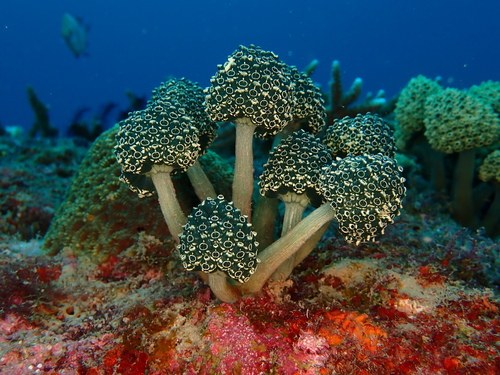
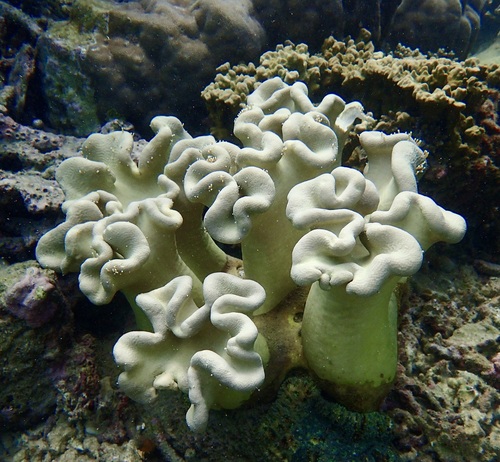
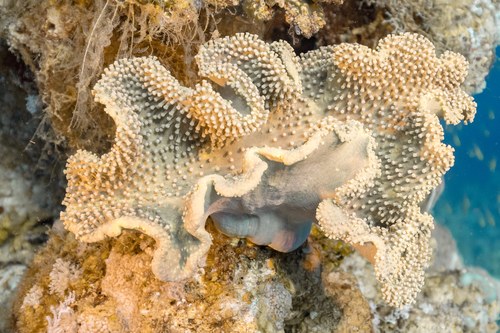
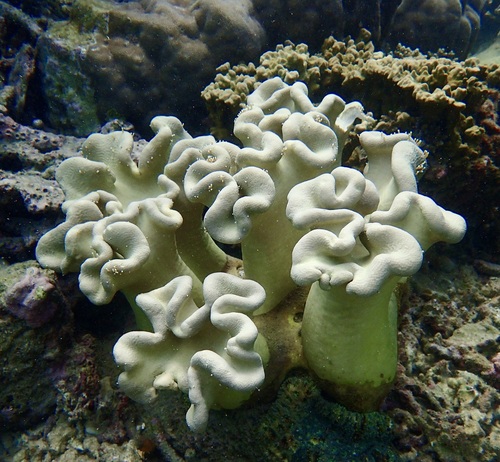
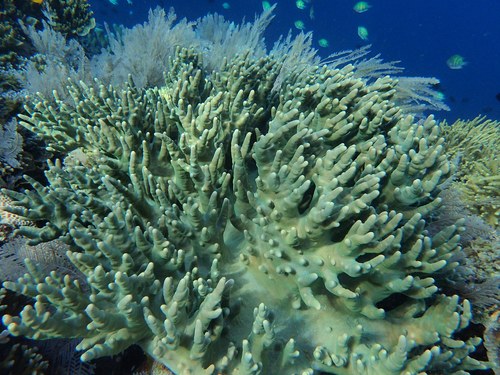
Sinularia Asterolobata, commonly known as the Pink Finger Soft Coral, is a captivating species found primarily in the warm, shallow waters of the Coral Triangle, particularly around Indonesia. This soft coral thrives in diverse reef environments, often forming large colonies that sway gracefully with the gentle currents of the ocean. Its distinctive finger-like structures are adorned in vibrant pink hues, making it an attractive choice for aquarists seeking to enhance the aesthetic appeal of their marine displays.
In terms of appearance, the Pink Finger Soft Coral features a unique morphology characterized by elongated, finger-like polyps that can extend outward to capture nutrients from the water. The vibrant coloration of this coral can vary based on lighting conditions and water quality, with high-quality specimens exhibiting a rich pink color that stands out against darker substrates. The coral's texture is soft and pliable, which contributes to its appeal in both natural and aquarium settings.
Behaviorally, this species is relatively peaceful and can coexist harmoniously with various reef inhabitants. It is primarily a photosynthetic organism, relying on symbiotic zooxanthellae for energy, which allows it to thrive in well-lit environments. The Pink Finger Soft Coral is also capable of capturing plankton and other small particles from the water, supplementing its nutritional needs. This adaptability makes it a resilient choice for reef aquariums.
In its natural habitat, the Pink Finger Soft Coral can be found in areas with moderate water flow and good lighting. It often grows on rocky substrates and can form large colonies that provide habitat for various marine organisms. As a result, this species contributes significantly to the biodiversity of reef ecosystems and serves as an important indicator of reef health.
In terms of appearance, the Pink Finger Soft Coral features a unique morphology characterized by elongated, finger-like polyps that can extend outward to capture nutrients from the water. The vibrant coloration of this coral can vary based on lighting conditions and water quality, with high-quality specimens exhibiting a rich pink color that stands out against darker substrates. The coral's texture is soft and pliable, which contributes to its appeal in both natural and aquarium settings.
Behaviorally, this species is relatively peaceful and can coexist harmoniously with various reef inhabitants. It is primarily a photosynthetic organism, relying on symbiotic zooxanthellae for energy, which allows it to thrive in well-lit environments. The Pink Finger Soft Coral is also capable of capturing plankton and other small particles from the water, supplementing its nutritional needs. This adaptability makes it a resilient choice for reef aquariums.
In its natural habitat, the Pink Finger Soft Coral can be found in areas with moderate water flow and good lighting. It often grows on rocky substrates and can form large colonies that provide habitat for various marine organisms. As a result, this species contributes significantly to the biodiversity of reef ecosystems and serves as an important indicator of reef health.
When caring for Pink Finger Soft Coral, maintaining optimal water conditions is crucial for its health. Ideal water parameters include a temperature range of 24-28°C, salinity of 1.023-1.025 ppt, and a pH level between 8.1 and 8.4. Regular monitoring of these parameters will help ensure a stable environment conducive to coral growth.
Feeding the Pink Finger Soft Coral involves providing supplemental nutrition in the form of zooplankton and phytoplankton to enhance its diet. In addition to its photosynthetic capabilities, regular feeding can improve its coloration and overall health. Compatibility-wise, this coral is generally peaceful, but it should be placed away from more aggressive corals to prevent potential stinging.
Acclimation is essential when introducing the Pink Finger Soft Coral to a new aquarium. It is recommended to use the drip acclimation method over several hours to reduce stress. After acclimation, placing the coral in a well-lit area with moderate water flow will help it establish effectively. Quarantine procedures should be followed to prevent the introduction of pests or diseases, particularly if sourced from wild collections.
Feeding the Pink Finger Soft Coral involves providing supplemental nutrition in the form of zooplankton and phytoplankton to enhance its diet. In addition to its photosynthetic capabilities, regular feeding can improve its coloration and overall health. Compatibility-wise, this coral is generally peaceful, but it should be placed away from more aggressive corals to prevent potential stinging.
Acclimation is essential when introducing the Pink Finger Soft Coral to a new aquarium. It is recommended to use the drip acclimation method over several hours to reduce stress. After acclimation, placing the coral in a well-lit area with moderate water flow will help it establish effectively. Quarantine procedures should be followed to prevent the introduction of pests or diseases, particularly if sourced from wild collections.
The Pink Finger Soft Coral is suitable for shipping in well-insulated containers to maintain optimal temperature during transit. It is recommended to pack with a density that allows for adequate water circulation and minimal physical contact. This species is sensitive to temperature fluctuations, so maintaining a stable environment is critical. CITES status does not apply to this species, allowing for smoother export processes.
Species Parameters
Max Adult Size
30.0 cm
Origin
Coral Triangle
Temp Min
24.0 °C
Temp Max
28.0 °C
Salinity Min
1.023
Salinity Max
1.025
pH Min
8.10
pH Max
8.40
Min Tank
100 L