CITES App. II
Tree Soft Green/Yellow "Nepthea"
Nephthea spp.
In Stock
Common stock
Aquacultured
Easy care
Reef Safe ✓
SKU: CRNEPHtrees2
Discover the vibrant Tree Soft Green/Yellow Nepthea, a stunning coral that enhances any marine ecosystem.
Pricing for Verified Importers
Log in to see wholesale prices and order.
Export Size
up to 30.0 cm
Origin
Indo-Pacific
Temperature
24.0–28.0°C
Min. Tank Size
100 L
Salinity
1.023–1.025 ppt
pH
8.10–8.40
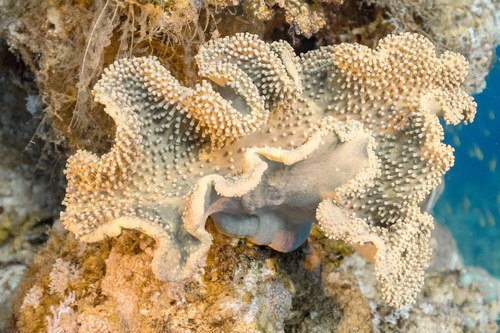
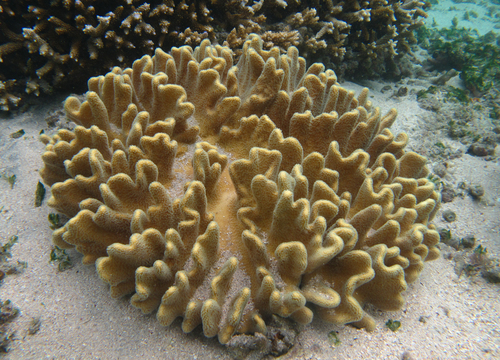
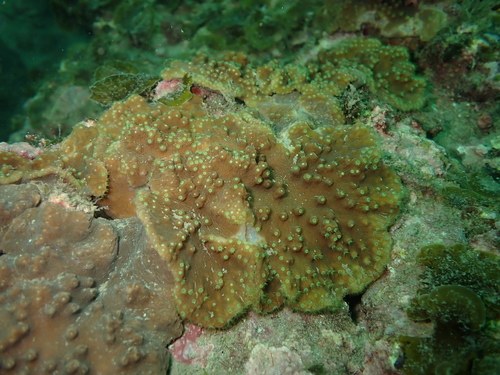
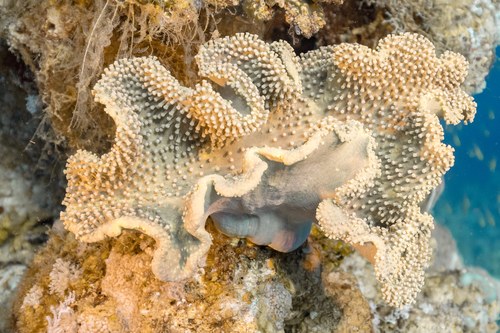
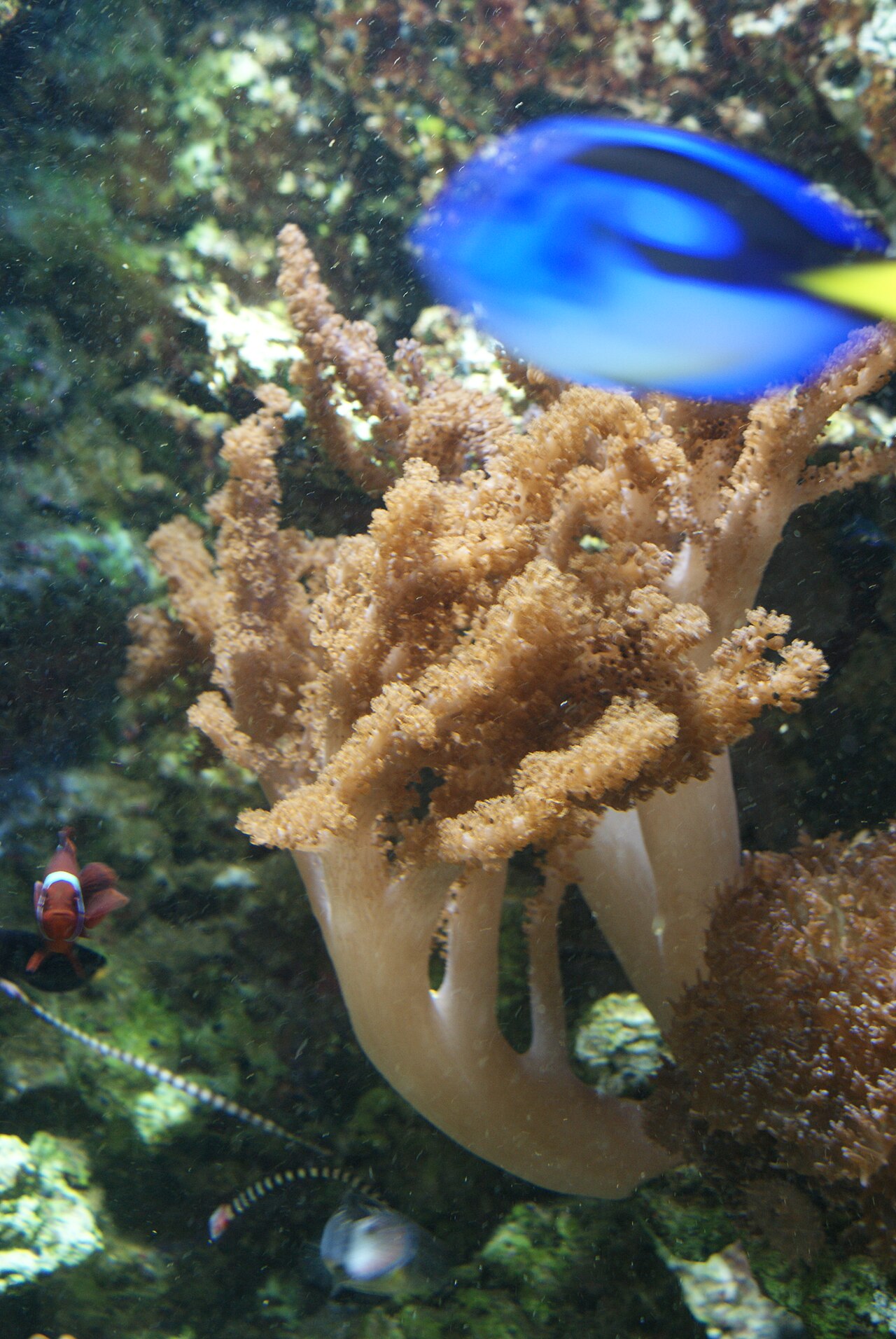
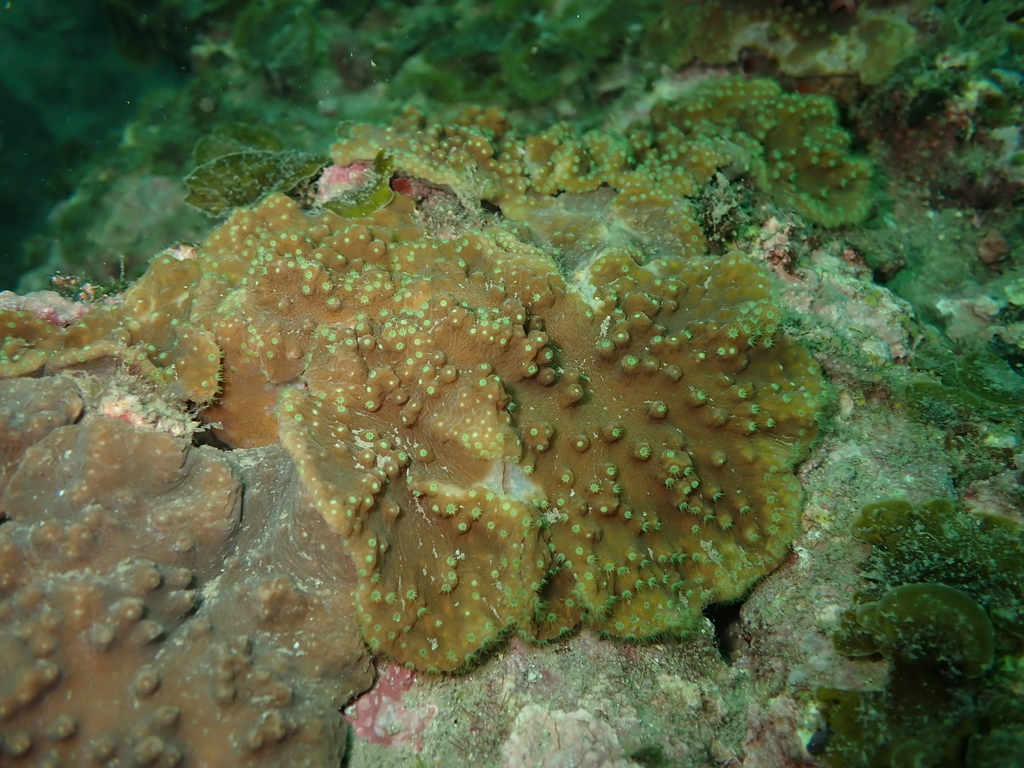
Tree Soft Green/Yellow Nepthea (Nephthea spp.) is a visually striking soft coral known for its lush green and yellow tones, which can bring a vibrant touch to any aquarium. This species thrives in the warm, shallow waters of the Indo-Pacific region, often found in coral reefs where it plays a crucial role in the marine ecosystem. Its unique appearance is characterized by a branching structure, resembling small trees, which provides an ideal habitat for various marine organisms.
The Nepthea coral is primarily a photosynthetic organism, relying on symbiotic zooxanthellae for energy production through sunlight. This symbiosis not only contributes to its stunning coloration but also promotes the overall health of the coral. In addition to photosynthesis, Nepthea corals can capture plankton and organic matter from the water, supplementing their diet and enhancing their growth.
Behaviorally, Tree Soft Green/Yellow Nepthea is relatively peaceful and can coexist with a variety of marine life, making it a desirable choice for aquarists looking to create a diverse and dynamic underwater environment. They exhibit a gentle swaying motion in the water, which can add a serene ambiance to aquariums. Their adaptability to different water conditions makes them suitable for both novice and experienced aquarium keepers.
In their natural habitat, Nepthea corals can be found in areas with moderate water flow, allowing them to feed effectively while receiving adequate light for photosynthesis. This adaptability to varying environmental conditions underscores their importance in reef ecosystems, where they contribute to biodiversity and habitat complexity.
The Nepthea coral is primarily a photosynthetic organism, relying on symbiotic zooxanthellae for energy production through sunlight. This symbiosis not only contributes to its stunning coloration but also promotes the overall health of the coral. In addition to photosynthesis, Nepthea corals can capture plankton and organic matter from the water, supplementing their diet and enhancing their growth.
Behaviorally, Tree Soft Green/Yellow Nepthea is relatively peaceful and can coexist with a variety of marine life, making it a desirable choice for aquarists looking to create a diverse and dynamic underwater environment. They exhibit a gentle swaying motion in the water, which can add a serene ambiance to aquariums. Their adaptability to different water conditions makes them suitable for both novice and experienced aquarium keepers.
In their natural habitat, Nepthea corals can be found in areas with moderate water flow, allowing them to feed effectively while receiving adequate light for photosynthesis. This adaptability to varying environmental conditions underscores their importance in reef ecosystems, where they contribute to biodiversity and habitat complexity.
To ensure the health and vitality of Tree Soft Green/Yellow Nepthea, maintaining optimal water parameters is crucial. Ideal temperature ranges from 24°C to 28°C, with a salinity level of 1.023 to 1.025 ppt. The pH should be kept between 8.1 and 8.4. Regular testing of these parameters can help prevent stress and promote growth.
Feeding Nepthea corals involves providing a mix of high-quality coral foods and relying on their natural ability to photosynthesize. They benefit from regular feedings of planktonic foods, such as phytoplankton and zooplankton, which can enhance their coloration and growth. Compatibility is generally good with other soft corals and peaceful fish species, but care should be taken to avoid aggressive corals that may compete for space and resources.
Acclimation is essential when introducing Nepthea to a new tank. A slow acclimation process is recommended to minimize stress, ideally over several hours. Quarantine is also advisable to prevent the introduction of pests or diseases into the main display tank. Regular monitoring for signs of stress or disease will help maintain a thriving Nepthea coral in your aquarium.
Feeding Nepthea corals involves providing a mix of high-quality coral foods and relying on their natural ability to photosynthesize. They benefit from regular feedings of planktonic foods, such as phytoplankton and zooplankton, which can enhance their coloration and growth. Compatibility is generally good with other soft corals and peaceful fish species, but care should be taken to avoid aggressive corals that may compete for space and resources.
Acclimation is essential when introducing Nepthea to a new tank. A slow acclimation process is recommended to minimize stress, ideally over several hours. Quarantine is also advisable to prevent the introduction of pests or diseases into the main display tank. Regular monitoring for signs of stress or disease will help maintain a thriving Nepthea coral in your aquarium.
Tree Soft Green/Yellow Nepthea is suitable for air shipping, requiring careful packing to ensure their integrity during transit. A packing density of 1-2 corals per liter is recommended to prevent damage. Temperature sensitivity should be managed, ideally keeping the transport temperature between 24°C and 28°C. This species is not listed under CITES, allowing for easier shipping regulations.
Species Parameters
Max Adult Size
30.0 cm
Origin
Indo-Pacific
Habitat
reef
Temp Min
24.0 °C
Temp Max
28.0 °C
Salinity Min
1.023
Salinity Max
1.025
pH Min
8.10
pH Max
8.40
Min Tank
100 L