CITES App. II
Blue Mushrooms
Actinodiscus Coeruleus
In Stock
Common stock
Wild Caught
Moderate care
Reef Safe ✓
SKU: CB-SC-0191
Blue Mushrooms are vibrant corals that enhance any reef tank with their stunning colors.
Pricing for Verified Importers
Log in to see wholesale prices and order.
Export Size
up to 15.0 cm
Origin
Coral Triangle
Temperature
24.0–28.0°C
Min. Tank Size
100 L
Salinity
1.020–1.026 ppt
pH
8.10–8.40
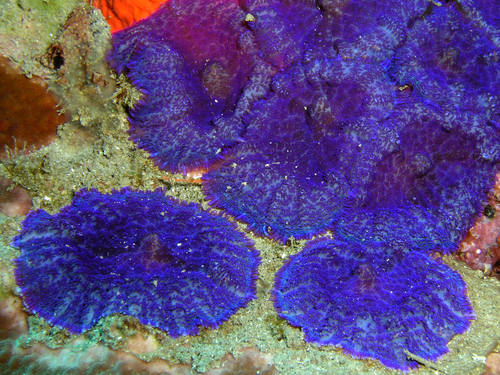
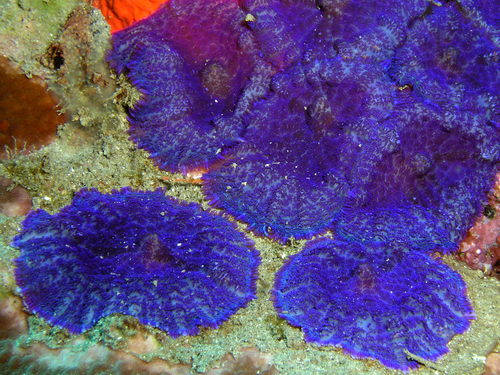
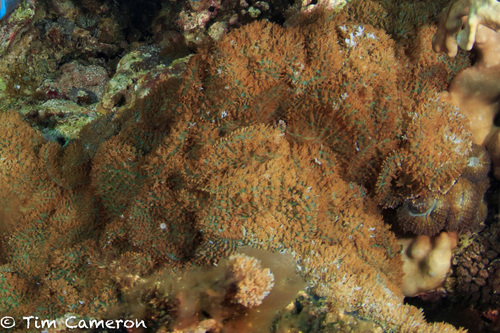
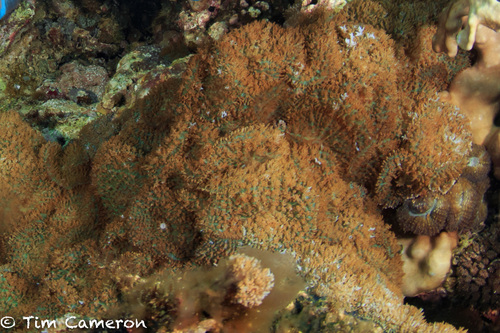
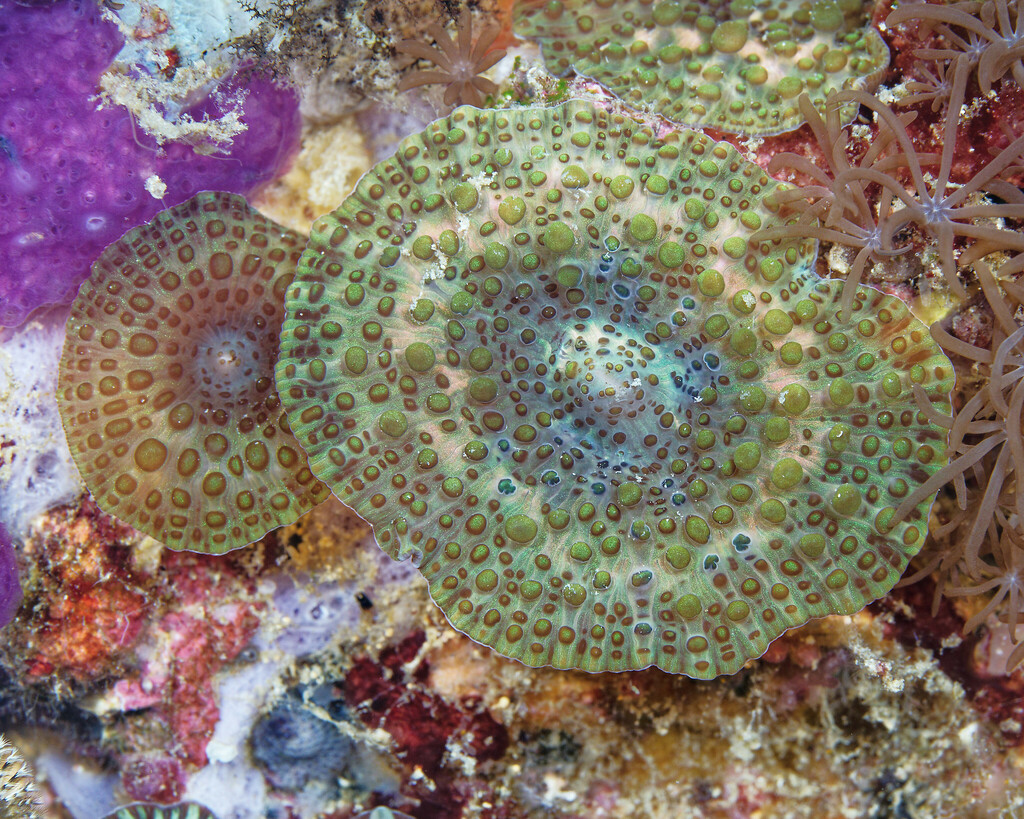
Actinodiscus coeruleus, commonly known as Blue Mushrooms, are captivating coral species renowned for their striking blue coloration and unique morphology. These corals typically feature a fleshy body with a broad, disc-like structure that can expand to reveal a stunning array of hues, often with contrasting patterns and colors, making them a favorite among marine enthusiasts. In their natural habitats, they thrive in shallow waters where they can receive ample light, which is essential for their growth and vibrancy.
In the wild, Blue Mushrooms play a vital role in the reef ecosystem, providing shelter and habitat for various marine organisms. They are generally found in the Coral Triangle region, where the biodiversity is exceptionally rich. The corals exhibit a symbiotic relationship with zooxanthellae algae, which live within their tissues and provide essential nutrients through photosynthesis. This relationship not only supports their growth but also enhances their brilliant coloration, making them a dynamic addition to any aquarium.
Behaviorally, Blue Mushrooms are relatively hardy and adaptable. They can thrive in a range of environmental conditions, although they prefer stable environments. These corals are known for their ability to reproduce both sexually and asexually, with budding being a common form of propagation in aquariums. This resilience and adaptability make them suitable for both beginner and experienced aquarists looking to enhance their reef tanks.
Habitat-wise, Blue Mushrooms are typically found on rocky substrates and within crevices in the reef. They prefer warm waters with good water circulation, which helps prevent the build-up of detritus and promotes healthy growth. Their ability to tolerate various water conditions, combined with their stunning appearance, makes them an attractive option for aquarium importers and wholesalers.
In the wild, Blue Mushrooms play a vital role in the reef ecosystem, providing shelter and habitat for various marine organisms. They are generally found in the Coral Triangle region, where the biodiversity is exceptionally rich. The corals exhibit a symbiotic relationship with zooxanthellae algae, which live within their tissues and provide essential nutrients through photosynthesis. This relationship not only supports their growth but also enhances their brilliant coloration, making them a dynamic addition to any aquarium.
Behaviorally, Blue Mushrooms are relatively hardy and adaptable. They can thrive in a range of environmental conditions, although they prefer stable environments. These corals are known for their ability to reproduce both sexually and asexually, with budding being a common form of propagation in aquariums. This resilience and adaptability make them suitable for both beginner and experienced aquarists looking to enhance their reef tanks.
Habitat-wise, Blue Mushrooms are typically found on rocky substrates and within crevices in the reef. They prefer warm waters with good water circulation, which helps prevent the build-up of detritus and promotes healthy growth. Their ability to tolerate various water conditions, combined with their stunning appearance, makes them an attractive option for aquarium importers and wholesalers.
For optimal care of Blue Mushrooms, maintaining stable water parameters is crucial. The ideal temperature range is between 24°C to 28°C, with salinity levels between 1.020 and 1.026 ppt. The pH should be kept between 8.1 and 8.4 to support their health and vibrant coloration. Regular water changes and monitoring of parameters will ensure a thriving environment.
Feeding Blue Mushrooms is relatively straightforward as they are primarily photosynthetic. However, supplementing their diet with a variety of marine foods, such as phytoplankton or small meaty foods like brine shrimp, can enhance their growth and color. It's important to ensure that they are not overfed, as this can lead to water quality issues.
Compatibility is generally good with other peaceful reef inhabitants, but care should be taken to avoid aggressive species that may harm them. When introducing Blue Mushrooms to a new tank, acclimation should be done slowly to prevent shock; a drip acclimation method is recommended. Quarantine of new specimens is also advised to minimize the risk of introducing pests or diseases into the main display tank.
Feeding Blue Mushrooms is relatively straightforward as they are primarily photosynthetic. However, supplementing their diet with a variety of marine foods, such as phytoplankton or small meaty foods like brine shrimp, can enhance their growth and color. It's important to ensure that they are not overfed, as this can lead to water quality issues.
Compatibility is generally good with other peaceful reef inhabitants, but care should be taken to avoid aggressive species that may harm them. When introducing Blue Mushrooms to a new tank, acclimation should be done slowly to prevent shock; a drip acclimation method is recommended. Quarantine of new specimens is also advised to minimize the risk of introducing pests or diseases into the main display tank.
Blue Mushrooms are suitable for shipping due to their hardiness, but proper packing is essential. They should be packed in insulated boxes with adequate water and air supply to maintain temperature stability during transit. It is recommended to keep shipping temperatures between 23°C and 26°C. CITES status is not applicable for this species, allowing for easier international trade.
Species Parameters
Max Adult Size
15.0 cm
Origin
Coral Triangle
Temp Min
24.0 °C
Temp Max
28.0 °C
Salinity Min
1.020
Salinity Max
1.026
pH Min
8.10
pH Max
8.40
Min Tank
100 L