CITES App. II
Giant Cup Mushroom
Amplexidiscus sp
In Stock
Common stock
Aquacultured
Easy care
Reef Safe ✓
SKU: CRAMPLgiant2
The Giant Cup Mushroom is a stunning addition to any reef aquarium, known for its vibrant colors and unique morphology.
Pricing for Verified Importers
Log in to see wholesale prices and order.
Export Size
up to 30.0 cm
Origin
Coral Triangle
Temperature
24.0–28.0°C
Min. Tank Size
100 L
Salinity
35.000–35.000 ppt
pH
8.10–8.40
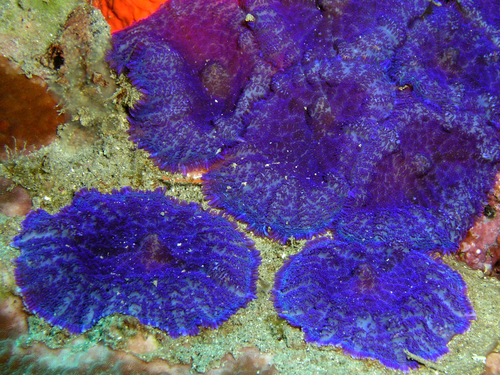
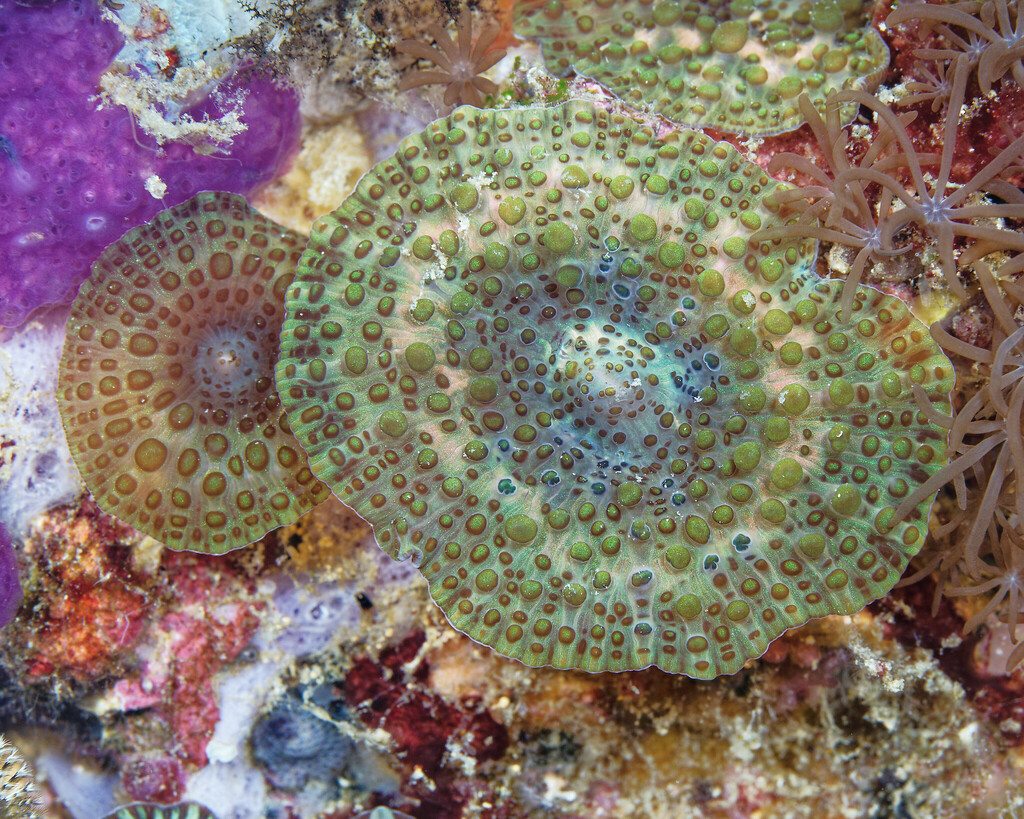
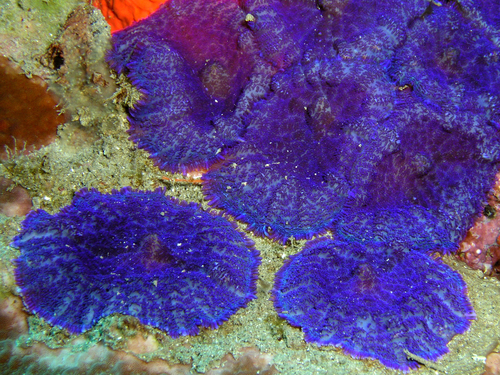
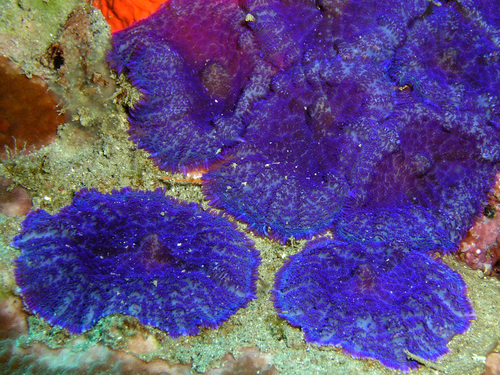
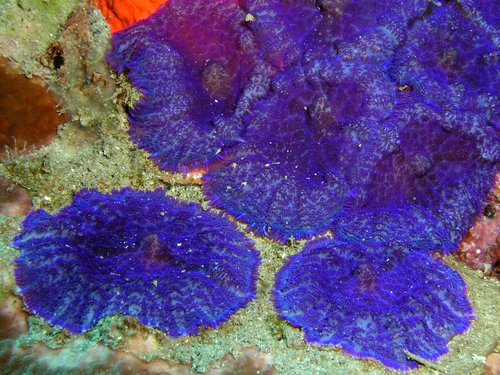
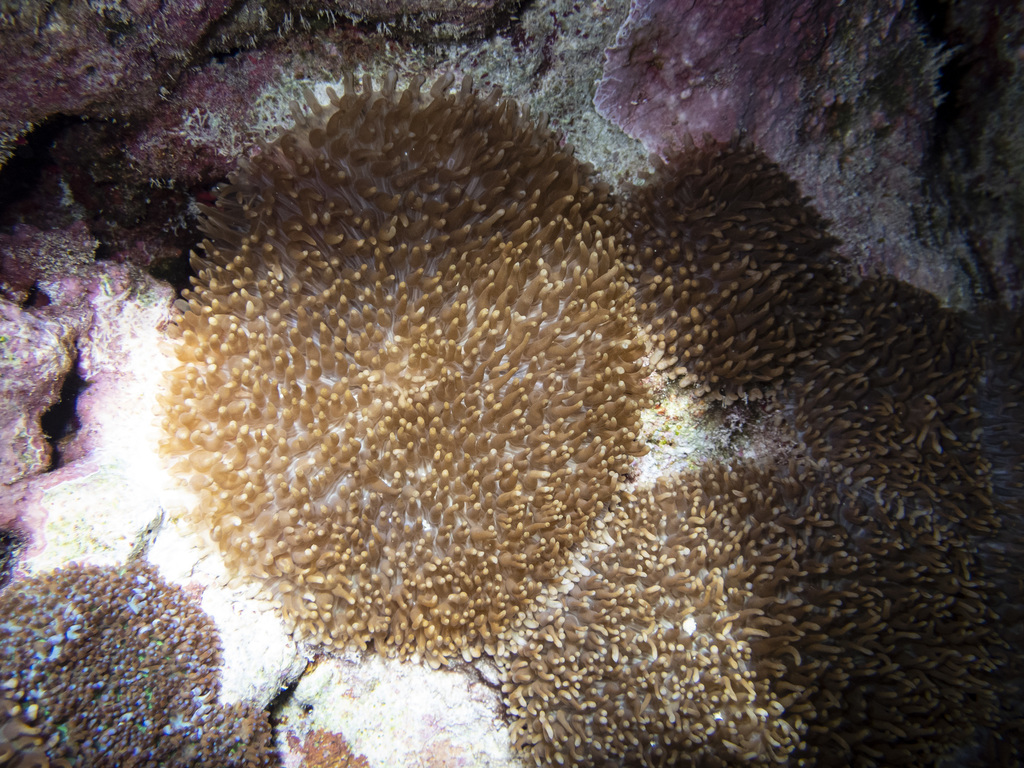
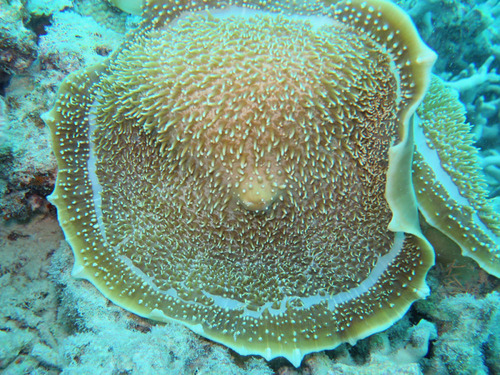
The Giant Cup Mushroom (Amplexidiscus sp) is a captivating species of coral that thrives in the warm, shallow waters of the Coral Triangle, particularly around Bali, Indonesia. This coral is distinguished by its large, fleshy, cup-like structure that can expand and contract, allowing it to adapt to varying conditions in its environment. The Giant Cup Mushroom exhibits a range of colors, including bright greens, blues, and purples, making it a visually striking centerpiece in both natural and aquarium habitats.
In terms of behavior, the Giant Cup Mushroom is primarily a solitary species, although it may form small colonies under optimal conditions. It is non-aggressive towards other corals, making it a suitable choice for mixed reef tanks. The coral relies on both photosynthesis from symbiotic zooxanthellae and the absorption of nutrients from the water column, showcasing its adaptability in feeding strategies. This dual approach allows it to thrive in a variety of environments, although it prefers moderate water flow and bright lighting.
The natural habitat of the Giant Cup Mushroom includes shallow lagoons and reef slopes, where it often attaches to rocky substrates. This coral contributes significantly to the biodiversity of its environment, providing shelter and food for various marine organisms. Its ability to withstand fluctuations in water conditions makes it an essential species for maintaining healthy reef ecosystems. However, habitat degradation due to climate change and human activities poses a threat to its populations, highlighting the importance of sustainable harvesting practices in the coral trade.
Importers and retailers can promote the Giant Cup Mushroom not just for its aesthetic value but also for its ecological significance in maintaining coral reef health. As awareness of coral conservation grows, this species represents a sustainable choice for aquarists looking to support biodiversity while enhancing their aquarium displays.
In terms of behavior, the Giant Cup Mushroom is primarily a solitary species, although it may form small colonies under optimal conditions. It is non-aggressive towards other corals, making it a suitable choice for mixed reef tanks. The coral relies on both photosynthesis from symbiotic zooxanthellae and the absorption of nutrients from the water column, showcasing its adaptability in feeding strategies. This dual approach allows it to thrive in a variety of environments, although it prefers moderate water flow and bright lighting.
The natural habitat of the Giant Cup Mushroom includes shallow lagoons and reef slopes, where it often attaches to rocky substrates. This coral contributes significantly to the biodiversity of its environment, providing shelter and food for various marine organisms. Its ability to withstand fluctuations in water conditions makes it an essential species for maintaining healthy reef ecosystems. However, habitat degradation due to climate change and human activities poses a threat to its populations, highlighting the importance of sustainable harvesting practices in the coral trade.
Importers and retailers can promote the Giant Cup Mushroom not just for its aesthetic value but also for its ecological significance in maintaining coral reef health. As awareness of coral conservation grows, this species represents a sustainable choice for aquarists looking to support biodiversity while enhancing their aquarium displays.
To ensure the health and vitality of the Giant Cup Mushroom, it is crucial to maintain optimal water parameters. Ideal temperature ranges from 24°C to 28°C, with salinity levels between 1.023 and 1.025 ppt. The pH should be kept between 8.1 and 8.4. This coral benefits from moderate water flow and bright, indirect lighting to promote photosynthesis without causing stress.
Feeding the Giant Cup Mushroom involves providing a balanced diet of planktonic foods, such as marine snow or liquid coral foods, to supplement its nutritional needs. It is essential to avoid overfeeding, as this can lead to poor water quality. Compatibility with other corals is generally favorable, as the Giant Cup Mushroom is non-aggressive; however, caution should be taken with more aggressive species that may encroach upon its space.
Acclimation is critical when introducing the Giant Cup Mushroom to a new aquarium. Gradual acclimatization to water parameters can reduce stress and promote a successful transition. Quarantine procedures are also recommended to prevent the introduction of pests or diseases into the main display tank. By adhering to these care guidelines, importers and retailers can ensure the long-term health and success of the Giant Cup Mushroom in aquariums.
Feeding the Giant Cup Mushroom involves providing a balanced diet of planktonic foods, such as marine snow or liquid coral foods, to supplement its nutritional needs. It is essential to avoid overfeeding, as this can lead to poor water quality. Compatibility with other corals is generally favorable, as the Giant Cup Mushroom is non-aggressive; however, caution should be taken with more aggressive species that may encroach upon its space.
Acclimation is critical when introducing the Giant Cup Mushroom to a new aquarium. Gradual acclimatization to water parameters can reduce stress and promote a successful transition. Quarantine procedures are also recommended to prevent the introduction of pests or diseases into the main display tank. By adhering to these care guidelines, importers and retailers can ensure the long-term health and success of the Giant Cup Mushroom in aquariums.
The Giant Cup Mushroom is suitable for shipping due to its resilience, but care must be taken to maintain stable temperatures between 24°C and 28°C during transit. Packing density should be moderate to prevent damage, and it is essential to use breathable materials to minimize stress. This species is not listed under CITES, simplifying export regulations, but adherence to local conservation guidelines is recommended.
Species Parameters
Max Adult Size
30.0 cm
Origin
Coral Triangle
Habitat
reef
Temp Min
24.0 °C
Temp Max
28.0 °C
Salinity Min
35.000
Salinity Max
35.000
pH Min
8.10
pH Max
8.40
Min Tank
100 L