CITES App. II
Red Mushrooms
Actinodiscus Nummiferus
In Stock
Common stock
Wild Caught
Moderate care
Reef Safe ✓
SKU: CB-SC-0194
Experience the vibrant beauty of Red Mushrooms, a stunning coral species from Bali.
Pricing for Verified Importers
Log in to see wholesale prices and order.
Export Size
up to 10.0 cm
Origin
Coral Triangle
Temperature
24.0–28.0°C
Min. Tank Size
100 L
Salinity
35.000–35.000 ppt
pH
8.10–8.40
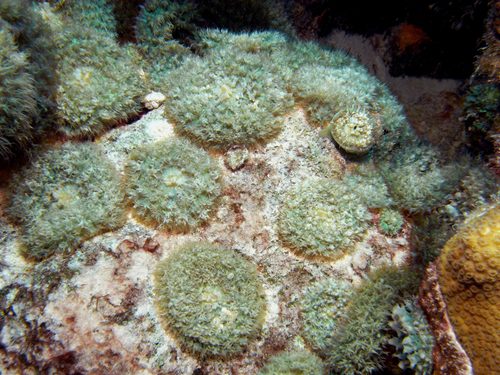
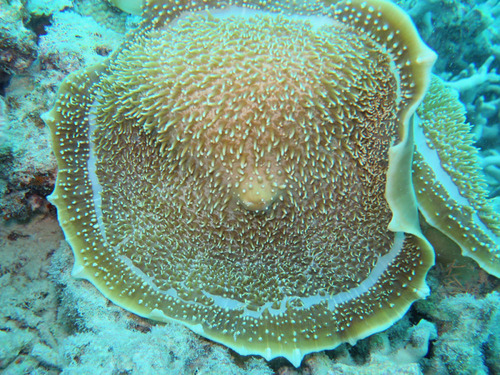
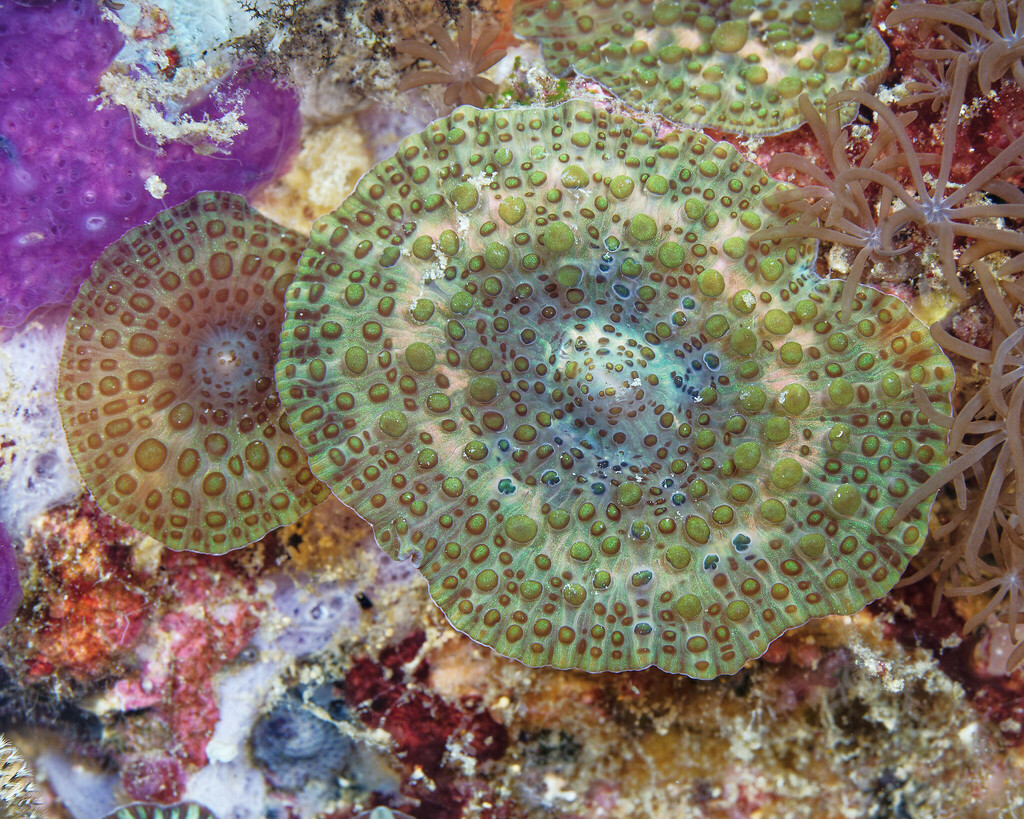
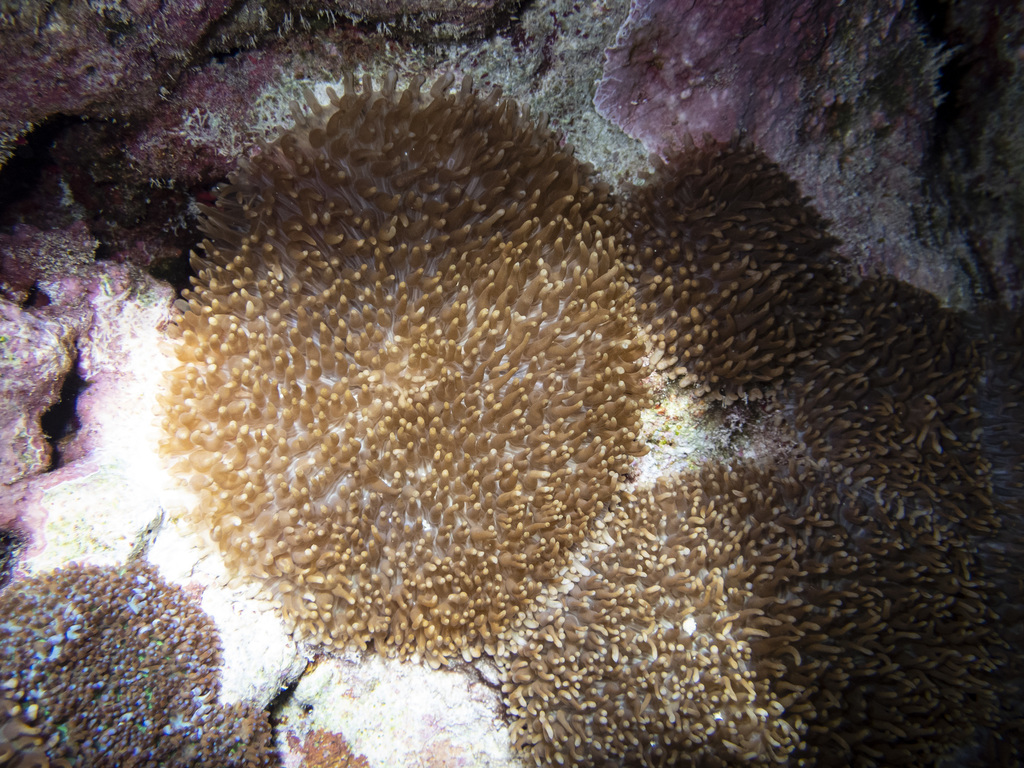
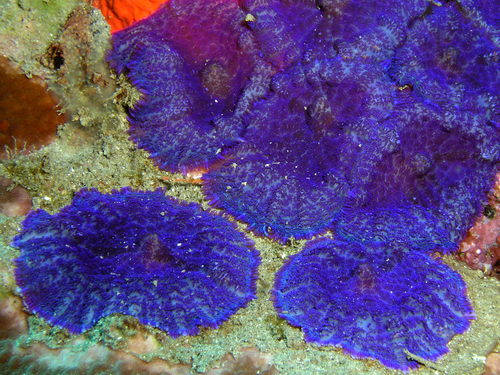
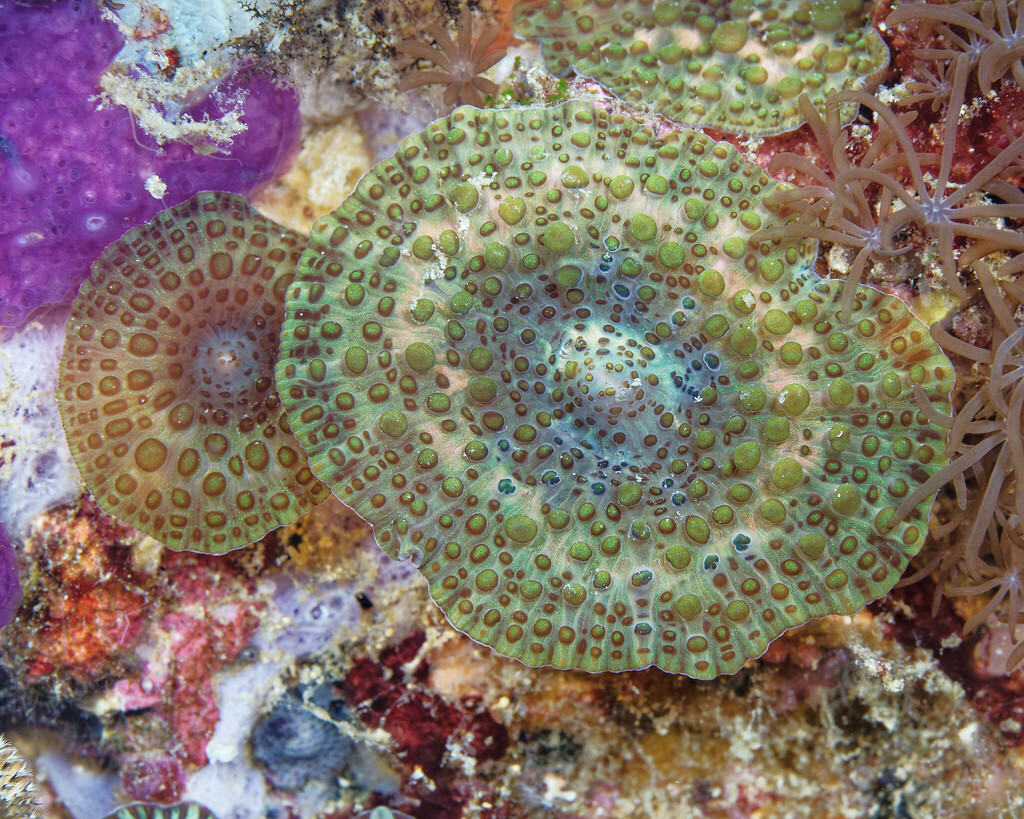
Red Mushrooms (Actinodiscus Nummiferus) are a captivating species of coral renowned for their vivid coloration and unique morphology. These corals typically exhibit a bright red to orange hue, often with contrasting hues of green or blue. Their disc-like structure, which can expand and contract, gives them a distinctive, mushroom-like appearance that adds visual interest to any aquarium. They thrive in various reef environments, often found in shallow waters where they can receive ample light.
In their natural habitat, Red Mushrooms play a crucial role in the marine ecosystem, providing shelter and food for various marine organisms. Their symbiotic relationship with zooxanthellae – photosynthetic algae living within their tissues – allows them to derive energy from sunlight, making them a vital component of coral reefs. Their ability to adapt to different water conditions makes them resilient, attracting both novice and seasoned aquarists.
Behaviorally, Red Mushrooms are relatively peaceful and can coexist with many other coral species. However, they can exhibit territoriality, especially when competing for space and light. In an aquarium setting, they can spread through budding, allowing them to colonize new areas within the tank, which can be both a benefit and a challenge for tank management. Adequate spacing from other corals is recommended to prevent unwanted aggression.
Habitat-wise, Red Mushrooms are predominantly found in the Coral Triangle, particularly around the reefs of Indonesia. These corals prefer warm, shallow waters with stable salinity and pH levels, making them ideal candidates for reef aquariums that replicate their natural conditions. Their striking appearance and ease of care make them a favorite among coral enthusiasts.
In their natural habitat, Red Mushrooms play a crucial role in the marine ecosystem, providing shelter and food for various marine organisms. Their symbiotic relationship with zooxanthellae – photosynthetic algae living within their tissues – allows them to derive energy from sunlight, making them a vital component of coral reefs. Their ability to adapt to different water conditions makes them resilient, attracting both novice and seasoned aquarists.
Behaviorally, Red Mushrooms are relatively peaceful and can coexist with many other coral species. However, they can exhibit territoriality, especially when competing for space and light. In an aquarium setting, they can spread through budding, allowing them to colonize new areas within the tank, which can be both a benefit and a challenge for tank management. Adequate spacing from other corals is recommended to prevent unwanted aggression.
Habitat-wise, Red Mushrooms are predominantly found in the Coral Triangle, particularly around the reefs of Indonesia. These corals prefer warm, shallow waters with stable salinity and pH levels, making them ideal candidates for reef aquariums that replicate their natural conditions. Their striking appearance and ease of care make them a favorite among coral enthusiasts.
To successfully maintain Red Mushrooms in an aquarium, attention to water parameters is essential. They thrive in temperatures between 24°C and 28°C, with a salinity range of 1.023 to 1.025 ppt. Maintaining a stable pH level between 8.1 and 8.4 is crucial for their health. Regular testing of these parameters will help ensure an optimal environment.
Feeding Red Mushrooms is relatively straightforward; they primarily rely on photosynthesis but can benefit from occasional supplemental feeding. Small amounts of liquid coral food or finely chopped marine foods can be offered to enhance their growth. It's important to monitor their response to feeding to avoid overfeeding.
In terms of compatibility, Red Mushrooms generally coexist well with various reef inhabitants, but caution is advised when placing them near aggressive corals that may outcompete them for space and light. Acclimation should be gradual; introduce them slowly to avoid shock. A quarantine period of at least two weeks is recommended to observe for any potential pests or diseases before adding them to the main display tank.
Overall, Red Mushrooms are resilient and can adapt to various tank conditions, making them an excellent choice for both beginners and experienced aquarists alike.
Feeding Red Mushrooms is relatively straightforward; they primarily rely on photosynthesis but can benefit from occasional supplemental feeding. Small amounts of liquid coral food or finely chopped marine foods can be offered to enhance their growth. It's important to monitor their response to feeding to avoid overfeeding.
In terms of compatibility, Red Mushrooms generally coexist well with various reef inhabitants, but caution is advised when placing them near aggressive corals that may outcompete them for space and light. Acclimation should be gradual; introduce them slowly to avoid shock. A quarantine period of at least two weeks is recommended to observe for any potential pests or diseases before adding them to the main display tank.
Overall, Red Mushrooms are resilient and can adapt to various tank conditions, making them an excellent choice for both beginners and experienced aquarists alike.
Red Mushrooms are suitable for shipping due to their hardy nature. They should be packed securely in well-aerated containers to minimize movement during transit. A temperature range of 24°C to 28°C is ideal during shipping to prevent thermal stress. These corals are not listed under CITES, simplifying export procedures. Packing density should allow for adequate space to prevent damage to the delicate tissue.
Species Parameters
Max Adult Size
10.0 cm
Origin
Coral Triangle
Temp Min
24.0 °C
Temp Max
28.0 °C
Salinity Min
35.000
Salinity Max
35.000
pH Min
8.10
pH Max
8.40
Min Tank
100 L