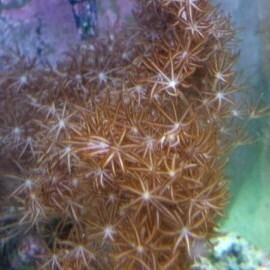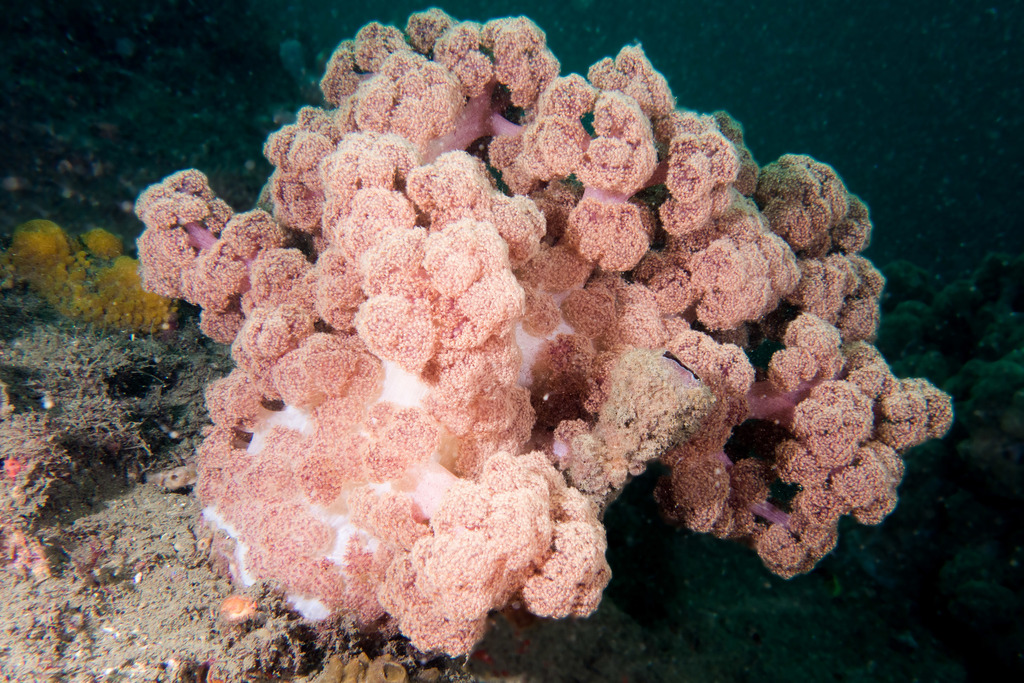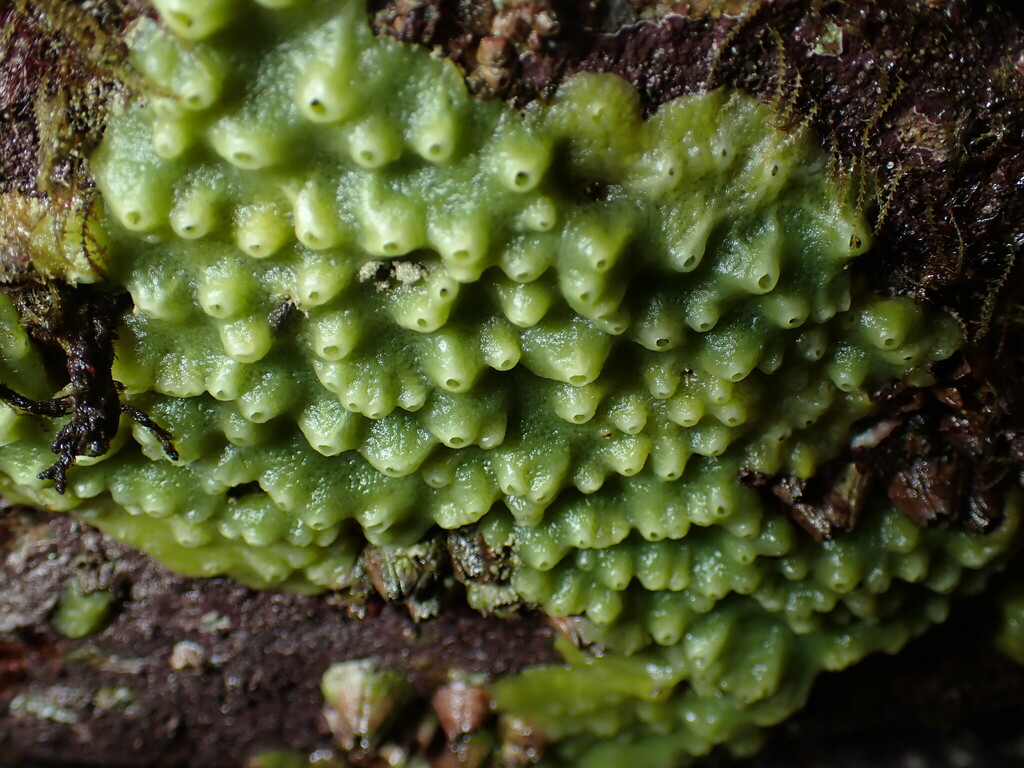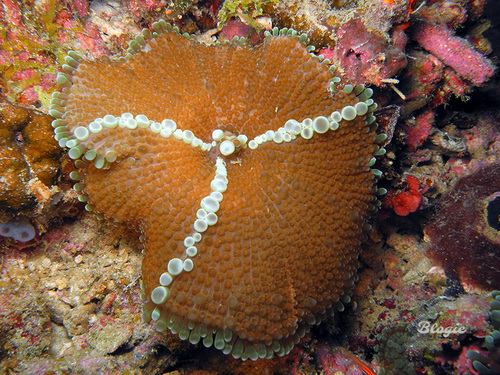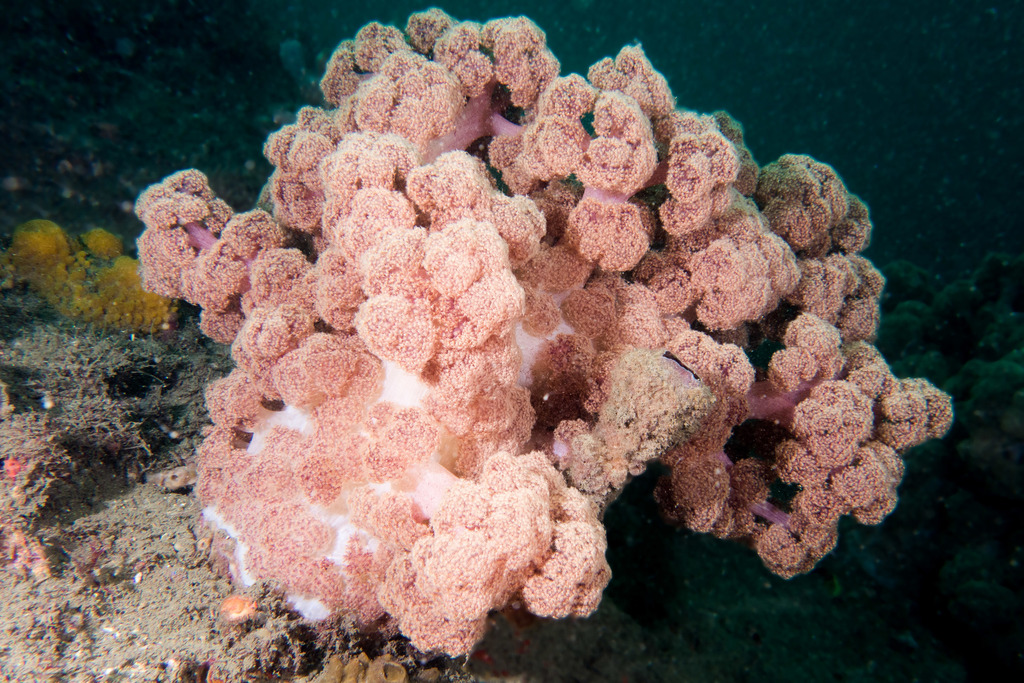
Anemone Coral
pseudocorynactis
In Stock
Common stock
Wild Caught
Moderate care
With Caution
SKU: ML-MF-0479
The Anemone Coral (pseudocorynactis) captivates with its vibrant colors and unique adaptability.
Pricing for Verified Importers
Log in to see wholesale prices and order.
Export Size
up to 20.0 cm
Origin
Coral Triangle
Temperature
24.0–28.0°C
Min. Tank Size
100 L
Salinity
1.020–1.025 ppt
pH
8.10–8.40
Diet
carnivore
The Anemone Coral, scientifically known as pseudocorynactis, is a fascinating marine organism found predominantly in the Coral Triangle of Southeast Asia. This species is notable for its striking appearance, characterized by its vibrant hues and soft, flexible tentacles that can sway elegantly in the water currents. Unlike traditional hard corals, the Anemone Coral has a more gelatinous body, allowing it to adapt to various environmental conditions while providing a refuge for small fish and invertebrates.
In its natural habitat, Anemone Coral thrives in shallow waters, often nestled among rocks and sandy substrates. It can be found in diverse environments, from lagoon areas to reef slopes, where it plays a crucial role in the marine ecosystem by offering shelter and protection to juvenile fish. Its symbiotic relationships with clownfish and other small marine species further enhance its ecological importance.
Behaviorally, Anemone Coral exhibits a fascinating feeding strategy. It primarily utilizes its tentacles to capture zooplankton and small fish, which are drawn toward its mouth through a process of stinging and entrapment. This feeding mechanism not only sustains the coral but also contributes to the overall health of the surrounding marine life.
The Anemone Coral is not just a resilient species; it is also an essential component of the reef ecosystem. Its presence enhances biodiversity and offers aesthetic value that is highly sought after in the aquarium trade, making it a prized specimen for both collectors and retailers alike.
In its natural habitat, Anemone Coral thrives in shallow waters, often nestled among rocks and sandy substrates. It can be found in diverse environments, from lagoon areas to reef slopes, where it plays a crucial role in the marine ecosystem by offering shelter and protection to juvenile fish. Its symbiotic relationships with clownfish and other small marine species further enhance its ecological importance.
Behaviorally, Anemone Coral exhibits a fascinating feeding strategy. It primarily utilizes its tentacles to capture zooplankton and small fish, which are drawn toward its mouth through a process of stinging and entrapment. This feeding mechanism not only sustains the coral but also contributes to the overall health of the surrounding marine life.
The Anemone Coral is not just a resilient species; it is also an essential component of the reef ecosystem. Its presence enhances biodiversity and offers aesthetic value that is highly sought after in the aquarium trade, making it a prized specimen for both collectors and retailers alike.
For optimal care of Anemone Coral, it is essential to maintain stable water parameters. Ideal temperatures range from 24°C to 28°C, with a salinity of 1.020 to 1.025 ppt. The pH should be kept between 8.1 and 8.4. A minimum tank size of 100 liters is recommended to provide adequate space for growth and movement.
Feeding Anemone Coral requires a balanced approach, as it is a carnivorous species. Regular feeding with high-quality zooplankton, small marine pellets, or finely chopped seafood will ensure proper nutrition. It is advisable to feed them several times a week to mimic their natural feeding behavior.
Compatibility with other marine species is generally positive, but care should be taken when introducing tank mates. Larger fish may pose a threat, while smaller species can benefit from the shelter provided by the coral. Acclimation should be gradual to avoid shock; introducing them slowly into the tank environment is key.
Quarantine procedures are recommended before introducing Anemone Coral to a display tank. This helps prevent the spread of potential diseases and ensures the health of both the coral and existing marine life in the aquarium.
Feeding Anemone Coral requires a balanced approach, as it is a carnivorous species. Regular feeding with high-quality zooplankton, small marine pellets, or finely chopped seafood will ensure proper nutrition. It is advisable to feed them several times a week to mimic their natural feeding behavior.
Compatibility with other marine species is generally positive, but care should be taken when introducing tank mates. Larger fish may pose a threat, while smaller species can benefit from the shelter provided by the coral. Acclimation should be gradual to avoid shock; introducing them slowly into the tank environment is key.
Quarantine procedures are recommended before introducing Anemone Coral to a display tank. This helps prevent the spread of potential diseases and ensures the health of both the coral and existing marine life in the aquarium.
The Anemone Coral is suitable for shipping, provided proper care is taken in packing. It should be securely packed with adequate moisture to prevent desiccation. A temperature range of 22°C to 26°C is ideal during transit to minimize stress. Due to its non-CITES status, there are no export restrictions; however, compliance with local regulations is essential.
Species Parameters
Max Adult Size
20.0 cm
Origin
Coral Triangle
Diet
carnivore
Temp Min
24.0 °C
Temp Max
28.0 °C
Salinity Min
1.020
Salinity Max
1.025
pH Min
8.10
pH Max
8.40
Min Tank
100 L