CITES App. II
Blue Sponge
Haliclona spp.
In Stock
Common stock
Aquacultured
Easy care
Reef Safe ✓
SKU: CRHALIblues
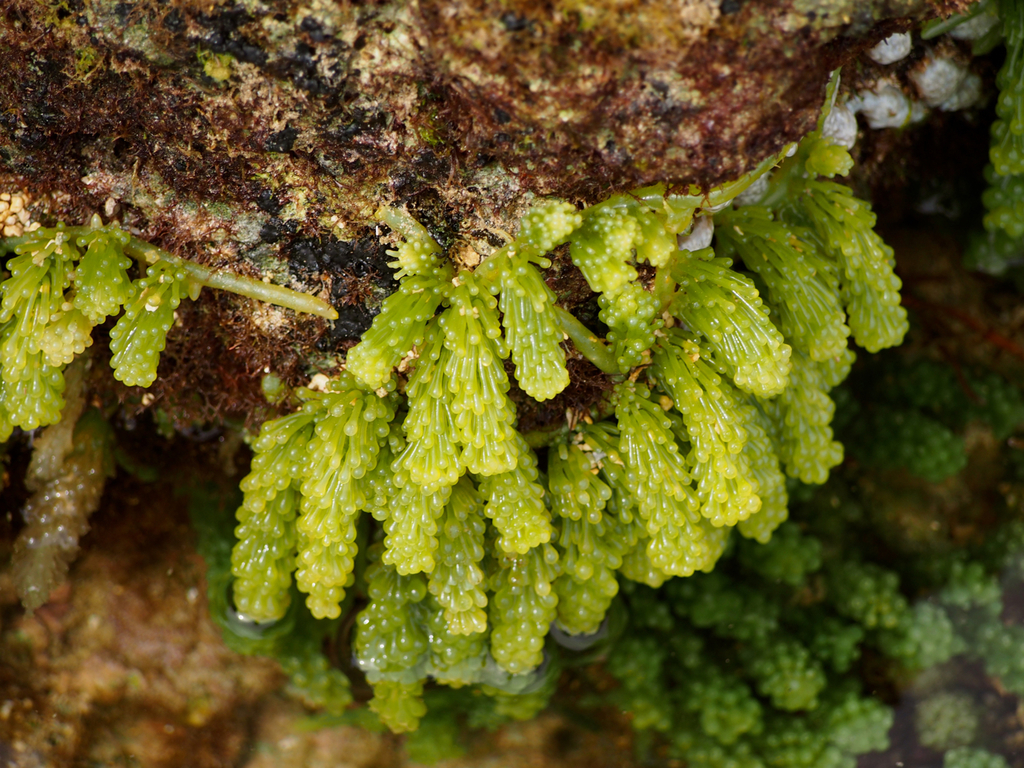
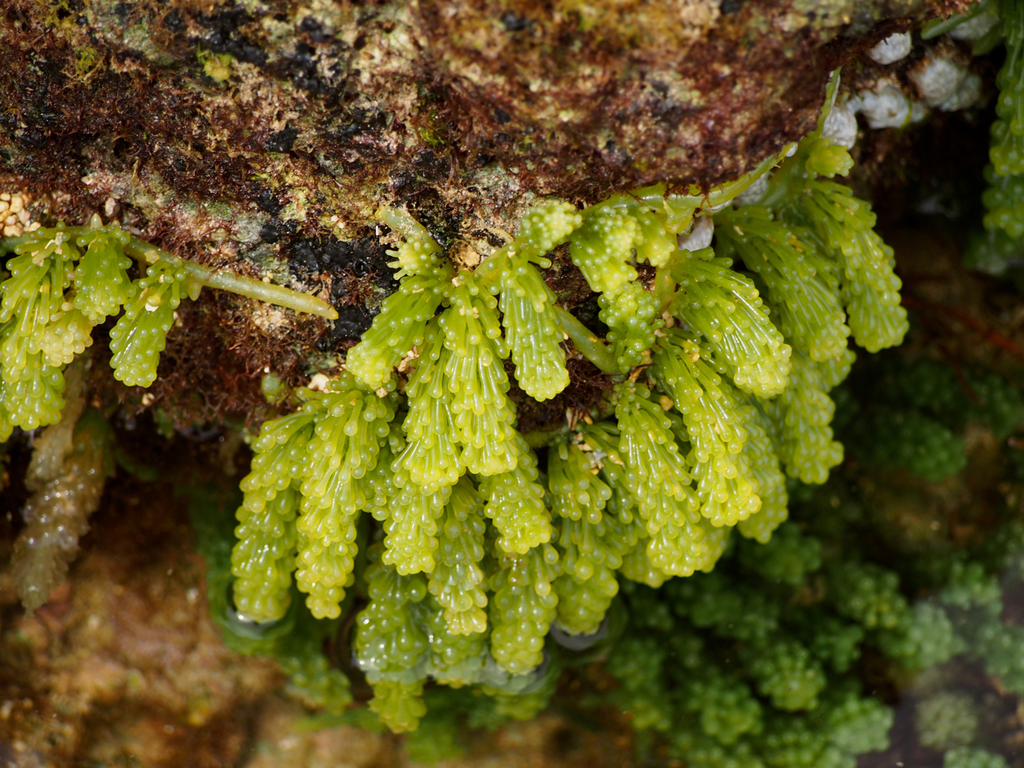
The Blue Sponge (Haliclona spp.) captivates with its vibrant color and unique texture.
Pricing for Verified Importers
Log in to see wholesale prices and order.
Export Size
up to 20.0 cm
Origin
Coral Triangle
Temperature
24.0–28.0°C
Min. Tank Size
100 L
Salinity
30.000–35.000 ppt
pH
8.10–8.40
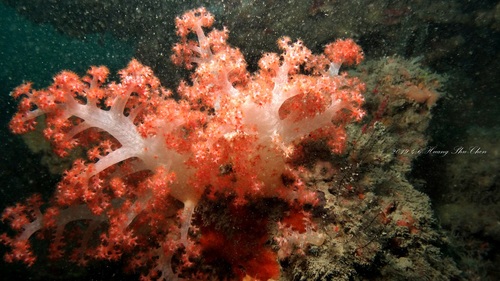
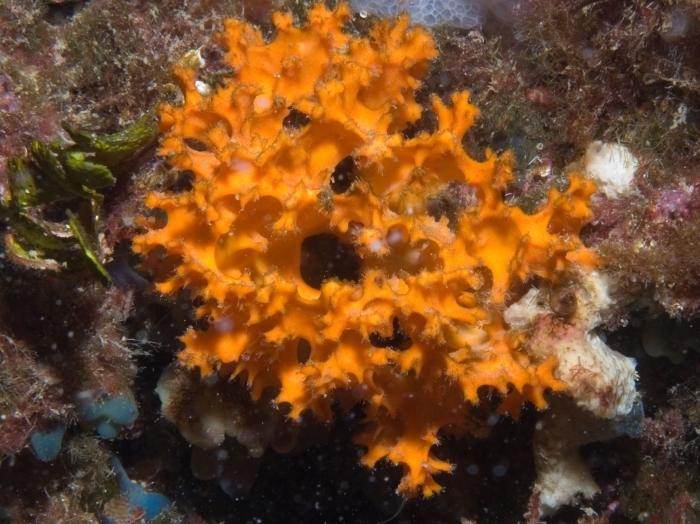
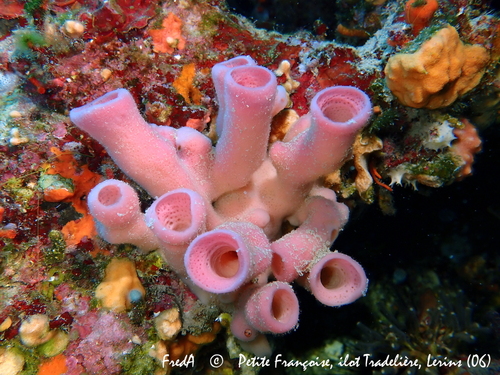
The Blue Sponge, belonging to the Haliclona genus, is a remarkable marine sponge found primarily in the Coral Triangle of Southeast Asia. Known for its striking blue hue, this sponge plays a vital role in reef ecosystems, providing habitat and food for various marine organisms. Its porous structure allows it to filter large volumes of water, contributing to the overall health of its surroundings while also showcasing a visually appealing addition to aquariums.
In terms of appearance, the Blue Sponge exhibits a soft, velvety texture and can vary in shade from deep azure to a lighter cerulean. Its irregular shape can adapt based on its environment, often appearing as lobed or encrusting formations on rock surfaces. The vivid coloration not only attracts attention but also serves as a reminder of the sponge's important ecological functions.
Behaviorally, Blue Sponges are sessile organisms, meaning they remain fixed in one location throughout their lives. They rely on water currents to bring nutrients and oxygen, which they filter from their environment. This passive feeding strategy allows them to thrive in a variety of marine habitats, from shallow reef flats to deeper waters. Additionally, the sponge can reproduce both sexually and asexually, further contributing to its resilience in changing environments.
Typically found on coral reefs, the Blue Sponge prefers well-lit areas with good water flow. They often inhabit the nooks and crannies of the reef structure, where they can benefit from nutrient-rich waters. Their presence not only enhances the visual diversity of the reef but also supports various marine life forms, including small fish and invertebrates that find shelter within their porous bodies.
In terms of appearance, the Blue Sponge exhibits a soft, velvety texture and can vary in shade from deep azure to a lighter cerulean. Its irregular shape can adapt based on its environment, often appearing as lobed or encrusting formations on rock surfaces. The vivid coloration not only attracts attention but also serves as a reminder of the sponge's important ecological functions.
Behaviorally, Blue Sponges are sessile organisms, meaning they remain fixed in one location throughout their lives. They rely on water currents to bring nutrients and oxygen, which they filter from their environment. This passive feeding strategy allows them to thrive in a variety of marine habitats, from shallow reef flats to deeper waters. Additionally, the sponge can reproduce both sexually and asexually, further contributing to its resilience in changing environments.
Typically found on coral reefs, the Blue Sponge prefers well-lit areas with good water flow. They often inhabit the nooks and crannies of the reef structure, where they can benefit from nutrient-rich waters. Their presence not only enhances the visual diversity of the reef but also supports various marine life forms, including small fish and invertebrates that find shelter within their porous bodies.
For successful care of the Blue Sponge, maintaining stable water parameters is crucial. Optimal temperature ranges from 24°C to 28°C, with a salinity level between 30 to 35 ppt. The pH should be maintained between 8.1 and 8.4 to ensure the sponge’s health. Importers should provide a well-cycled tank with adequate water movement to facilitate feeding and oxygenation.
Feeding the Blue Sponge primarily involves ensuring a nutrient-rich environment, as they are filter feeders. It is essential to introduce phytoplankton or specially designed liquid foods to support their dietary needs. Compatibility wise, Blue Sponges are generally non-aggressive and can coexist with various reef inhabitants, provided they are not overcrowded by more aggressive species.
Acclimating Blue Sponges requires a slow introduction to the new environment to minimize stress. This can be achieved through a drip acclimation method over several hours. Quarantine is recommended for new arrivals to prevent the introduction of pathogens into established systems. Regular monitoring of water quality and sponge health is critical in maintaining a thriving aquarium setup.
Feeding the Blue Sponge primarily involves ensuring a nutrient-rich environment, as they are filter feeders. It is essential to introduce phytoplankton or specially designed liquid foods to support their dietary needs. Compatibility wise, Blue Sponges are generally non-aggressive and can coexist with various reef inhabitants, provided they are not overcrowded by more aggressive species.
Acclimating Blue Sponges requires a slow introduction to the new environment to minimize stress. This can be achieved through a drip acclimation method over several hours. Quarantine is recommended for new arrivals to prevent the introduction of pathogens into established systems. Regular monitoring of water quality and sponge health is critical in maintaining a thriving aquarium setup.
The Blue Sponge is suitable for shipping due to its hardy nature, but it requires careful packing to maintain moisture and prevent damage. A packing density of up to 2 sponges per liter is recommended. They are sensitive to extreme temperatures, so maintaining a range between 20°C to 25°C during transit is crucial. Currently, there are no CITES restrictions for this species, allowing for easier international trade.
Species Parameters
Max Adult Size
20.0 cm
Origin
Coral Triangle
Habitat
reef
Temp Min
24.0 °C
Temp Max
28.0 °C
Salinity Min
30.000
Salinity Max
35.000
pH Min
8.10
pH Max
8.40
Min Tank
100 L