CITES App. II
Sponge Yellow
Acanthella Spec
In Stock
Common stock
Wild Caught
Moderate care
Reef Safe ✓
SKU: CB-SC-0165
Discover the vibrant Sponge Yellow, a unique coral species known for its bright coloration and ecological importance.
Pricing for Verified Importers
Log in to see wholesale prices and order.
Export Size
up to 30.0 cm
Origin
Southeast Asia
Temperature
24.0–28.0°C
Min. Tank Size
100 L
Salinity
34.000–36.000 ppt
pH
8.10–8.40
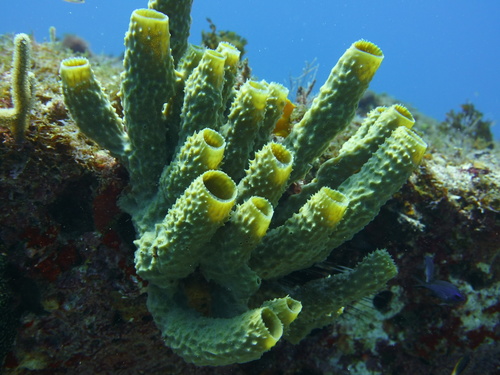
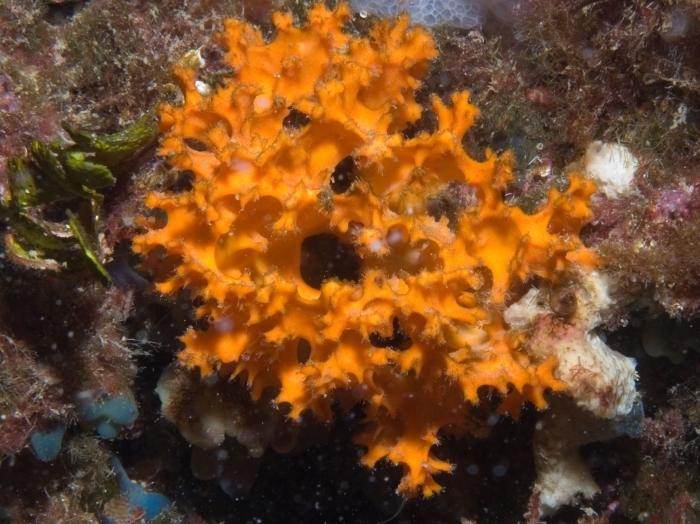
The Sponge Yellow (Acanthella Spec) is a remarkable species of coral found predominantly in the warm waters of Southeast Asia, particularly around Bali. This coral is distinguished by its vivid yellow coloration which can create a striking contrast against the backdrop of a reef. Its unique structure consists of a porous body that provides habitat for various marine organisms, making it an integral part of the reef ecosystem. The Sponge Yellow is not just visually appealing; it's also crucial for maintaining the health of coral reefs by filtering water and providing shelter.
In terms of natural history, Sponge Yellow thrives in shallow waters where sunlight penetrates, allowing for symbiotic relationships with microorganisms. Its body is composed of specialized cells that enable it to absorb nutrients from the surrounding water. This species exhibits a fascinating behavior of expanding and contracting to optimize its exposure to currents and light, ensuring it captures food particles effectively. Additionally, Sponge Yellow is often found in association with various fish species that seek refuge among its porous structure.
The habitat of Sponge Yellow typically includes coral reefs and rocky substrates, where it can attach itself securely. This coral can tolerate a range of environmental conditions but is particularly sensitive to pollution and changes in water quality. Its presence is often an indicator of a healthy reef system, making it a species of interest for conservationists and aquarium enthusiasts alike. As an important component of the marine biodiversity, the Sponge Yellow contributes to the resilience of reef ecosystems against climate change and human activities.
Overall, the Sponge Yellow (Acanthella Spec) is a vital species that not only enhances the beauty of aquariums but also plays a significant role in marine ecology. Its captivating appearance and ecological functions make it a sought-after choice for both importers and retail aquarium businesses looking to offer unique marine life to their customers.
In terms of natural history, Sponge Yellow thrives in shallow waters where sunlight penetrates, allowing for symbiotic relationships with microorganisms. Its body is composed of specialized cells that enable it to absorb nutrients from the surrounding water. This species exhibits a fascinating behavior of expanding and contracting to optimize its exposure to currents and light, ensuring it captures food particles effectively. Additionally, Sponge Yellow is often found in association with various fish species that seek refuge among its porous structure.
The habitat of Sponge Yellow typically includes coral reefs and rocky substrates, where it can attach itself securely. This coral can tolerate a range of environmental conditions but is particularly sensitive to pollution and changes in water quality. Its presence is often an indicator of a healthy reef system, making it a species of interest for conservationists and aquarium enthusiasts alike. As an important component of the marine biodiversity, the Sponge Yellow contributes to the resilience of reef ecosystems against climate change and human activities.
Overall, the Sponge Yellow (Acanthella Spec) is a vital species that not only enhances the beauty of aquariums but also plays a significant role in marine ecology. Its captivating appearance and ecological functions make it a sought-after choice for both importers and retail aquarium businesses looking to offer unique marine life to their customers.
When caring for Sponge Yellow (Acanthella Spec), it’s essential to maintain optimal water parameters to ensure its health and vitality. The ideal temperature range for this species is between 24°C to 28°C, with a salinity level of 34-36 ppt. The pH should be maintained between 8.1 and 8.4 for optimal growth. Regular water changes and monitoring of these parameters will help maintain a stable environment.
Feeding Sponge Yellow can be managed through a combination of dissolved organic matter and planktonic foods, as this coral is primarily a filter feeder. It is beneficial to provide a variety of food sources, including phytoplankton and microalgae, to promote healthy growth. Compatibility with other marine species is generally good, but caution should be taken to avoid aggressive tank mates that may harm the sponge or compete for resources.
Acclimation should be gradual, allowing the Sponge Yellow to adjust to the new environment. This can be achieved through drip acclimation over a period of several hours. Quarantine procedures are recommended to prevent the introduction of pests or diseases into your main display tank. Providing a stress-free environment will support the Sponge Yellow in adapting and thriving in captivity.
Feeding Sponge Yellow can be managed through a combination of dissolved organic matter and planktonic foods, as this coral is primarily a filter feeder. It is beneficial to provide a variety of food sources, including phytoplankton and microalgae, to promote healthy growth. Compatibility with other marine species is generally good, but caution should be taken to avoid aggressive tank mates that may harm the sponge or compete for resources.
Acclimation should be gradual, allowing the Sponge Yellow to adjust to the new environment. This can be achieved through drip acclimation over a period of several hours. Quarantine procedures are recommended to prevent the introduction of pests or diseases into your main display tank. Providing a stress-free environment will support the Sponge Yellow in adapting and thriving in captivity.
Sponge Yellow (Acanthella Spec) is suitable for shipping, provided it is packed securely to prevent damage during transit. Optimal packing density should ensure adequate water circulation while minimizing stress. This species is sensitive to temperature fluctuations; therefore, maintaining a stable temperature around 25-27°C during shipping is crucial. It is not listed under CITES, making it easier for export. However, compliance with local regulations remains essential.
Species Parameters
Max Adult Size
30.0 cm
Origin
Southeast Asia
Temp Min
24.0 °C
Temp Max
28.0 °C
Salinity Min
34.000
Salinity Max
36.000
pH Min
8.10
pH Max
8.40
Min Tank
100 L