CITES App. II
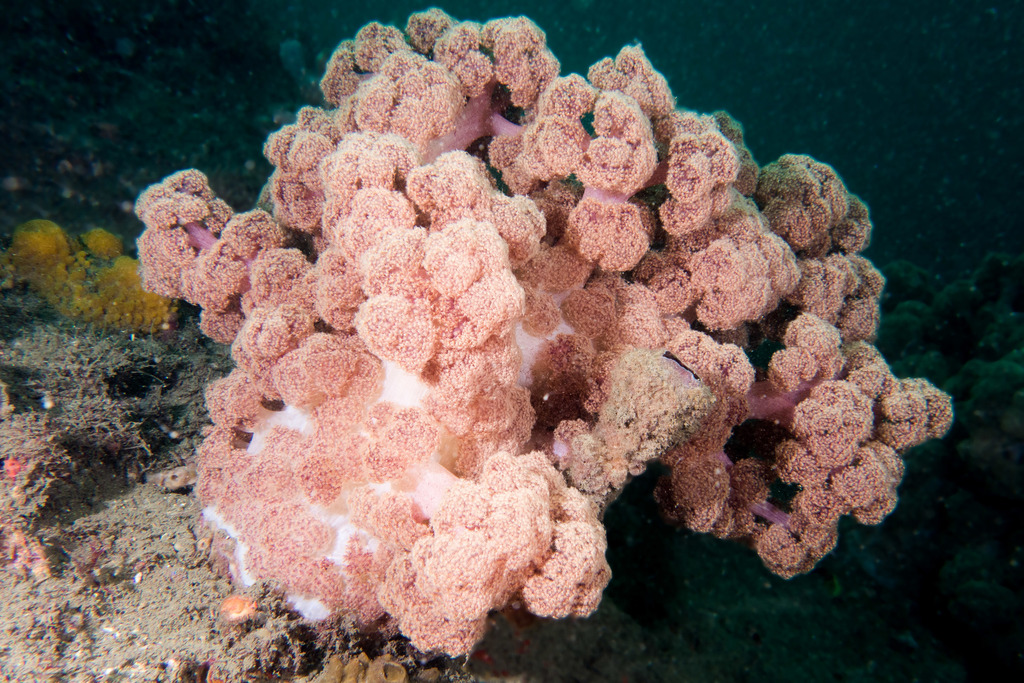
Cauliflower Pink "on sand"
Dendronephthya sp
In Stock
Common stock
Aquacultured
Easy care
Reef Safe ✓
SKU: CRDENDcaulif4
Experience the vibrant beauty of Cauliflower Pink coral, a unique addition to any reef aquarium.
Pricing for Verified Importers
Log in to see wholesale prices and order.
Export Size
up to 30.0 cm
Origin
Coral Triangle
Temperature
24.0–28.0°C
Min. Tank Size
100 L
Salinity
30.000–35.000 ppt
pH
7.80–8.50
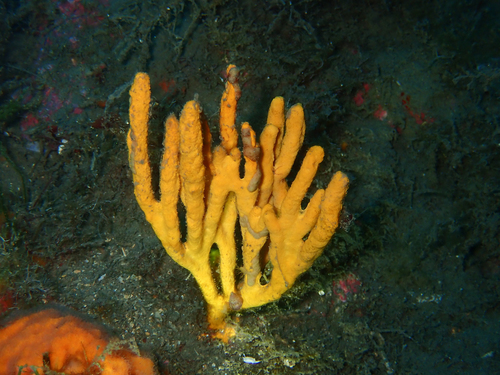
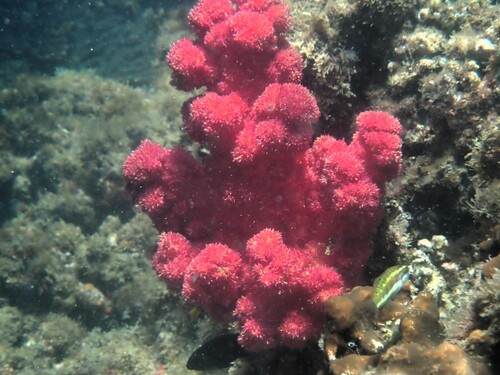
The Cauliflower Pink coral, scientifically known as Dendronephthya sp, is a captivating species renowned for its striking colors and intricate branching structure. This soft coral is characterized by its bushy appearance resembling a cauliflower head, adorned with delicate pink polyps that extend outwards, creating a stunning visual effect in reef systems. Native to the rich biodiversity of the Coral Triangle, it thrives in nutrient-rich waters and forms essential habitats for various marine life.
Natural habitats of Dendronephthya sp include shallow coastal waters where they are often found in sandy substrates. These corals are typically located in areas with moderate water movement, which helps in the distribution of planktonic food. Unlike hard corals, Cauliflower Pink corals do not produce a calcium carbonate skeleton, making them more delicate and requiring specialized care in aquarium settings. Their vibrant coloration can vary based on the specific environmental conditions, providing a dynamic visual experience.
Behaviorally, Dendronephthya sp corals are non-aggressive and can coexist peacefully with a range of tank mates, including certain fish and invertebrates. They rely on a symbiotic relationship with zooxanthellae, though they also benefit from direct feeding. The polyps extend outwards during the day to capture plankton and other small particles, making them a crucial component of the marine ecosystem. Their unique growth form allows them to sway gently with water currents, adding movement and life to any aquarium.
Overall, the Cauliflower Pink coral is not only a visually striking species but also plays a vital role in marine environments, making it an essential choice for aquarists looking to create a thriving reef ecosystem.
Natural habitats of Dendronephthya sp include shallow coastal waters where they are often found in sandy substrates. These corals are typically located in areas with moderate water movement, which helps in the distribution of planktonic food. Unlike hard corals, Cauliflower Pink corals do not produce a calcium carbonate skeleton, making them more delicate and requiring specialized care in aquarium settings. Their vibrant coloration can vary based on the specific environmental conditions, providing a dynamic visual experience.
Behaviorally, Dendronephthya sp corals are non-aggressive and can coexist peacefully with a range of tank mates, including certain fish and invertebrates. They rely on a symbiotic relationship with zooxanthellae, though they also benefit from direct feeding. The polyps extend outwards during the day to capture plankton and other small particles, making them a crucial component of the marine ecosystem. Their unique growth form allows them to sway gently with water currents, adding movement and life to any aquarium.
Overall, the Cauliflower Pink coral is not only a visually striking species but also plays a vital role in marine environments, making it an essential choice for aquarists looking to create a thriving reef ecosystem.
To successfully care for Cauliflower Pink coral, it is essential to maintain specific water parameters. Ideal temperature ranges from 24°C to 28°C, with stable salinity levels between 30-35 ppt. The pH should be kept between 7.8 and 8.5 to support healthy growth. It is crucial to provide moderate water flow to facilitate feeding and prevent detritus accumulation.
Feeding this coral species is vital, as they do not rely solely on photosynthesis. Providing a diet rich in phytoplankton and zooplankton a few times a week will help promote optimal health and growth. Additionally, ensure compatibility with tank mates, avoiding aggressive species that may harm the coral. Acclimation should be done slowly to minimize stress, gradually introducing the coral to the new environment over several hours.
Quarantine is highly recommended before introducing Dendronephthya sp to a display tank to prevent the spread of any potential pests or diseases. With proper conditions, this coral can thrive and enhance the aesthetic appeal of your aquarium.
Feeding this coral species is vital, as they do not rely solely on photosynthesis. Providing a diet rich in phytoplankton and zooplankton a few times a week will help promote optimal health and growth. Additionally, ensure compatibility with tank mates, avoiding aggressive species that may harm the coral. Acclimation should be done slowly to minimize stress, gradually introducing the coral to the new environment over several hours.
Quarantine is highly recommended before introducing Dendronephthya sp to a display tank to prevent the spread of any potential pests or diseases. With proper conditions, this coral can thrive and enhance the aesthetic appeal of your aquarium.
Dendronephthya sp is suitable for shipping, but careful packing is required to ensure its delicate structure is protected. A temperature range of 24°C to 28°C should be maintained during transit. Packing density should be low to prevent crushing, and the coral should be cushioned with appropriate materials. As a non-CITES species, there are no restrictions on export, making it readily available for wholesalers and retailers.
Species Parameters
Max Adult Size
30.0 cm
Origin
Coral Triangle
Habitat
reef
Temp Min
24.0 °C
Temp Max
28.0 °C
Salinity Min
30.000
Salinity Max
35.000
pH Min
7.80
pH Max
8.50
Min Tank
100 L