CITES App. II
Yellow Sponge
Axinellid spp.
In Stock
Common stock
Aquacultured
Easy care
Reef Safe ✓
SKU: CRAXINyellow
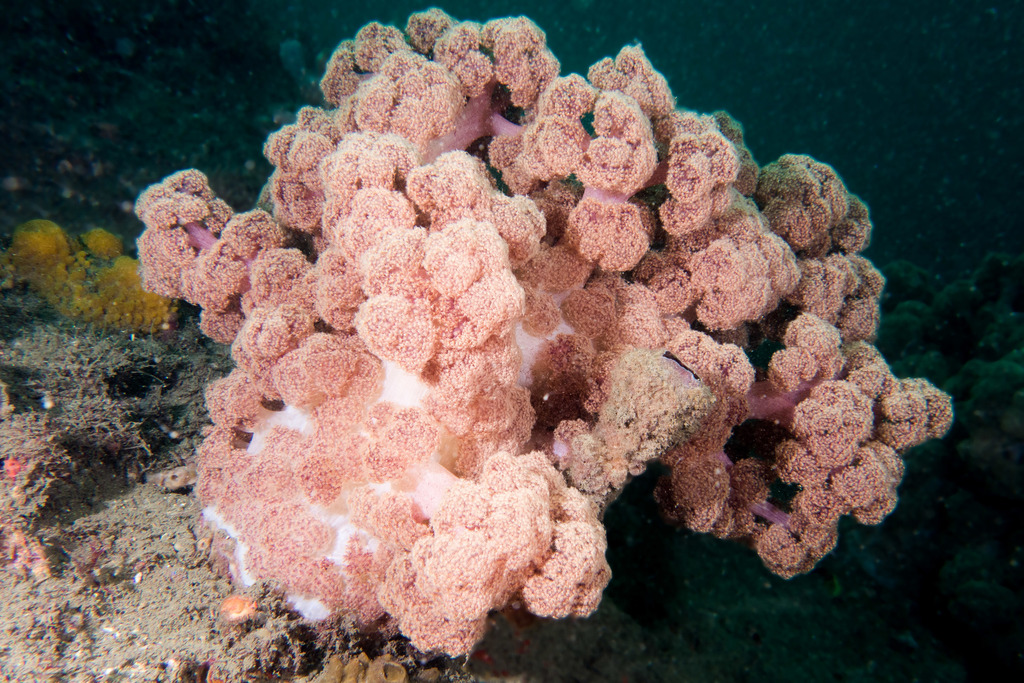
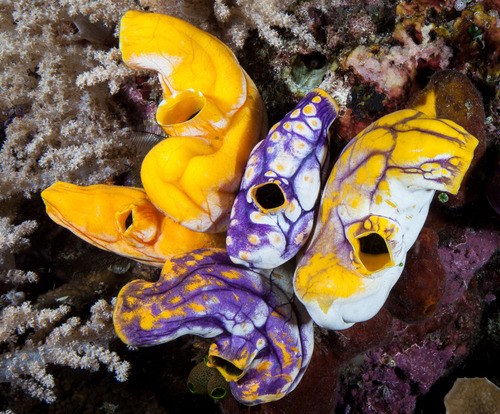
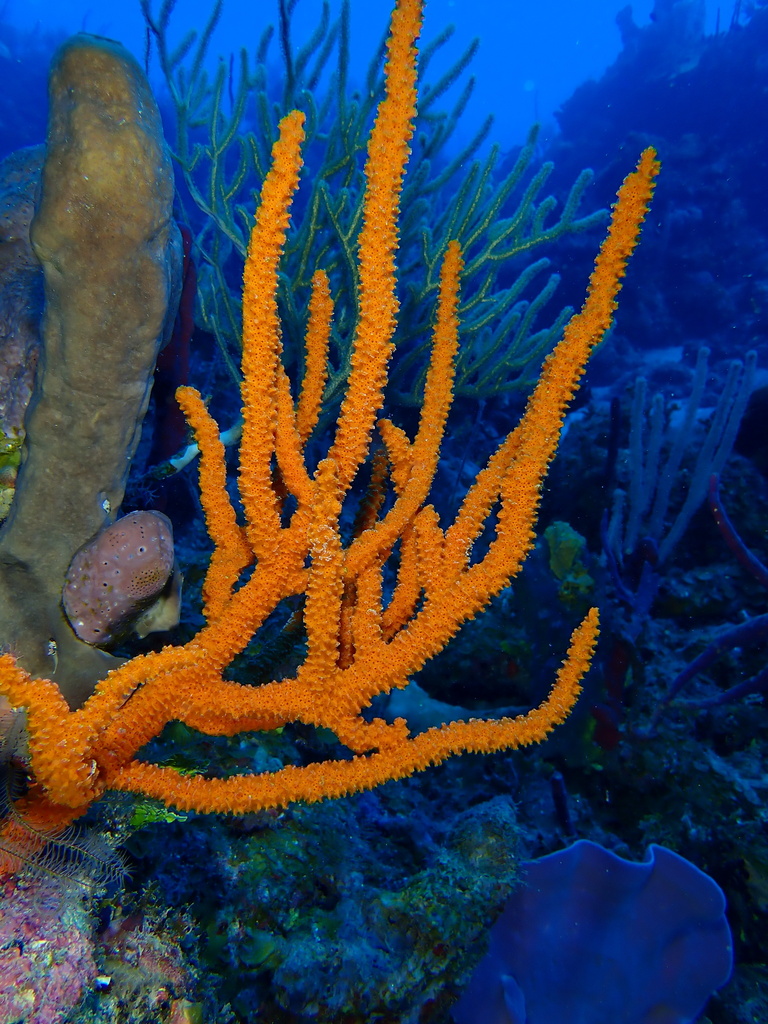
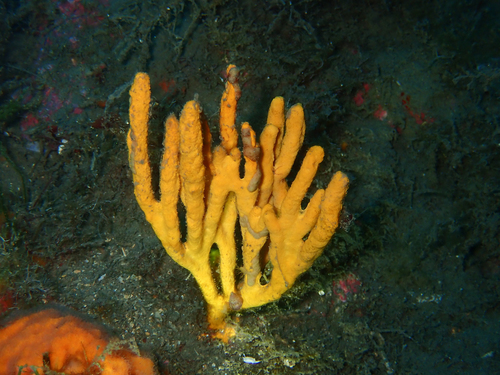
The Yellow Sponge (Axinellid spp.) is a vibrant addition to any marine aquarium, known for its striking coloration and unique texture.
Pricing for Verified Importers
Log in to see wholesale prices and order.
Origin
Indo-Pacific
Temperature
24.0–28.0°C
Min. Tank Size
50 L
Salinity
30.000–35.000 ppt
pH
7.80–8.50
The Yellow Sponge, belonging to the Axinellid family, is a fascinating marine organism commonly found in the coral reefs of the Indo-Pacific region, particularly around Bali, Indonesia. This sponge is distinguished by its bright yellow hue, which comes from the presence of pigments that help it absorb sunlight. While sponges may appear simple, they play a crucial role in the marine ecosystem by filtering water and providing habitat for various marine life.
In terms of appearance, the Yellow Sponge typically has a porous, irregular shape with a soft, spongy texture. It can grow in various forms, ranging from encrusting to upright structures, depending on the specific environmental conditions. The vibrant color not only makes it visually appealing but also serves as a warning to potential predators about its potential toxicity, a common trait among many sponge species.
The Yellow Sponge primarily thrives in shallow waters, often found attached to rocks or coral substrates in clear, warm waters where sunlight penetrates easily. It benefits from the symbiotic relationships with microorganisms that live within its tissues, contributing to its nutrient intake. Behaviorally, sponges are sessile, meaning they remain fixed in one place, and they feed by filtering plankton and organic particles from the water, showcasing their essential role in maintaining the health of the surrounding marine environment.
Due to their ecological importance and aesthetic appeal, Yellow Sponges are increasingly sought after for marine aquariums. However, understanding their natural habitat and biology is crucial for successful cultivation and maintenance in home settings.
In terms of appearance, the Yellow Sponge typically has a porous, irregular shape with a soft, spongy texture. It can grow in various forms, ranging from encrusting to upright structures, depending on the specific environmental conditions. The vibrant color not only makes it visually appealing but also serves as a warning to potential predators about its potential toxicity, a common trait among many sponge species.
The Yellow Sponge primarily thrives in shallow waters, often found attached to rocks or coral substrates in clear, warm waters where sunlight penetrates easily. It benefits from the symbiotic relationships with microorganisms that live within its tissues, contributing to its nutrient intake. Behaviorally, sponges are sessile, meaning they remain fixed in one place, and they feed by filtering plankton and organic particles from the water, showcasing their essential role in maintaining the health of the surrounding marine environment.
Due to their ecological importance and aesthetic appeal, Yellow Sponges are increasingly sought after for marine aquariums. However, understanding their natural habitat and biology is crucial for successful cultivation and maintenance in home settings.
To successfully care for the Yellow Sponge in an aquarium setting, maintaining optimal water parameters is essential. The ideal temperature range is between 24-28°C, with a salinity level around 30-35 ppt. The pH should be maintained between 7.8 and 8.5 to create a suitable environment for the sponge's growth. Strong water flow is recommended to ensure proper filtration and oxygenation.
Feeding the Yellow Sponge involves providing dissolved organic matter and phytoplankton, as they are filter feeders. While they can derive some nutrients from the water column, supplementing with high-quality marine snow or sponge-specific food can enhance their health and vitality. Compatibility with other species is generally good, but caution should be taken around aggressive tank mates that may disturb or damage the sponge.
Acclimation is critical; introduce the Yellow Sponge slowly to prevent stress, ideally using the drip acclimation method over several hours. Quarantine new specimens for at least two weeks to prevent the introduction of pathogens into your main tank. Regular monitoring of water quality and the sponge’s overall health will ensure a thriving environment for this unique organism.
Feeding the Yellow Sponge involves providing dissolved organic matter and phytoplankton, as they are filter feeders. While they can derive some nutrients from the water column, supplementing with high-quality marine snow or sponge-specific food can enhance their health and vitality. Compatibility with other species is generally good, but caution should be taken around aggressive tank mates that may disturb or damage the sponge.
Acclimation is critical; introduce the Yellow Sponge slowly to prevent stress, ideally using the drip acclimation method over several hours. Quarantine new specimens for at least two weeks to prevent the introduction of pathogens into your main tank. Regular monitoring of water quality and the sponge’s overall health will ensure a thriving environment for this unique organism.
The Yellow Sponge is suitable for shipping, provided proper care is taken during transport. Packing density should be moderate to allow for airflow and water circulation. It is sensitive to temperature fluctuations, so maintaining a stable environment between 24-26°C during shipping is crucial. Currently, there are no CITES restrictions on this species, making it easier for exporters to supply to wholesalers and retailers.
Species Parameters
Origin
Indo-Pacific
Habitat
reef
Temp Min
24.0 °C
Temp Max
28.0 °C
Salinity Min
30.000
Salinity Max
35.000
pH Min
7.80
pH Max
8.50
Min Tank
50 L