CITES App. II
Cauliflower Purple "on sand"
Dendronephthya sp
In Stock
Common stock
Aquacultured
Easy care
Reef Safe ✓
SKU: CRDENDcaulif2
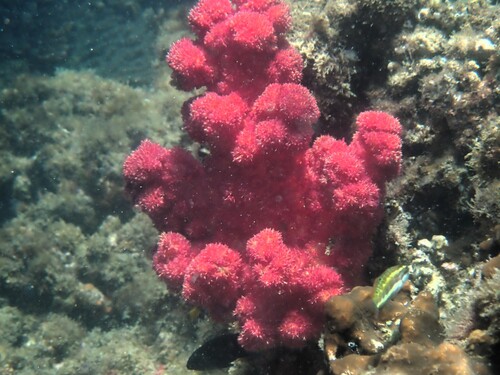
The Cauliflower Purple coral (Dendronephthya sp) is a vibrant and unique addition to any marine aquarium.
Pricing for Verified Importers
Log in to see wholesale prices and order.
Origin
Coral Triangle
Temperature
24.0–28.0°C
Min. Tank Size
100 L
Salinity
30.000–35.000 ppt
pH
8.10–8.40
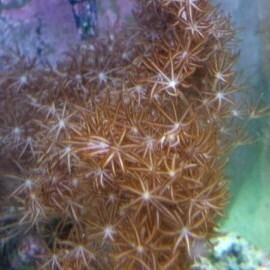
The Cauliflower Purple coral, scientifically known as Dendronephthya sp, is a stunning soft coral that captivates with its vibrant purple coloration and unique cauliflower-like morphology. This species is typically found in the warm, shallow waters of the Coral Triangle, where it thrives in nutrient-rich environments. Its polyps are often extended, creating a fluffy appearance that adds dynamic texture to coral displays.
In terms of behavior, Dendronephthya sp is a colonial organism, meaning it forms large clusters of individual polyps that work together as a colony. This species does not possess a hard skeleton, which allows it to sway gently with water currents, enhancing its visual appeal in aquariums. Each polyp extends its feeding tentacles to capture plankton and organic particles from the water, making it an essential contributor to the marine ecosystem.
Cauliflower Purple coral primarily inhabits soft substrates in varying depths but is most commonly found on sandy bottoms where it can anchor itself. Its specific habitat preference allows it to flourish in diverse marine settings, making it a popular choice among aquarium enthusiasts seeking to replicate natural environments. This coral is often a favorite for reef tanks due to its compatibility with other marine life and its beautiful appearance under aquarium lighting.
Overall, Dendronephthya sp is not only visually striking but also plays a vital role in its native ecosystem, providing shelter and food for various marine organisms while enhancing biodiversity in coral reef habitats.
In terms of behavior, Dendronephthya sp is a colonial organism, meaning it forms large clusters of individual polyps that work together as a colony. This species does not possess a hard skeleton, which allows it to sway gently with water currents, enhancing its visual appeal in aquariums. Each polyp extends its feeding tentacles to capture plankton and organic particles from the water, making it an essential contributor to the marine ecosystem.
Cauliflower Purple coral primarily inhabits soft substrates in varying depths but is most commonly found on sandy bottoms where it can anchor itself. Its specific habitat preference allows it to flourish in diverse marine settings, making it a popular choice among aquarium enthusiasts seeking to replicate natural environments. This coral is often a favorite for reef tanks due to its compatibility with other marine life and its beautiful appearance under aquarium lighting.
Overall, Dendronephthya sp is not only visually striking but also plays a vital role in its native ecosystem, providing shelter and food for various marine organisms while enhancing biodiversity in coral reef habitats.
To successfully care for Cauliflower Purple coral (Dendronephthya sp), it is essential to maintain specific water parameters. Ideal temperature ranges between 24°C to 28°C, with salinity levels of 30-35 ppt. The pH should be kept between 8.1 and 8.4 to ensure optimal health. Given its filter-feeding nature, this coral requires a well-established aquarium with stable water conditions.
Feeding Dendronephthya sp is crucial for its growth and vitality. It thrives on a diet of microplankton and other small suspended particles, so regular feeding with specialized coral foods or live phytoplankton is recommended. Furthermore, this coral benefits from moderate water flow to help deliver food while preventing sediment buildup on its surface.
When introducing Cauliflower Purple coral to an aquarium, acclimation is vital. Gradually acclimate the coral to the new environment over several hours to minimize stress. It is also advisable to quarantine new arrivals for at least two weeks to monitor for any signs of disease or parasites before introducing them to the main tank. In terms of compatibility, Dendronephthya sp generally cohabitates well with other soft corals and invertebrates but should be kept away from aggressive species that may outcompete it for resources.
Feeding Dendronephthya sp is crucial for its growth and vitality. It thrives on a diet of microplankton and other small suspended particles, so regular feeding with specialized coral foods or live phytoplankton is recommended. Furthermore, this coral benefits from moderate water flow to help deliver food while preventing sediment buildup on its surface.
When introducing Cauliflower Purple coral to an aquarium, acclimation is vital. Gradually acclimate the coral to the new environment over several hours to minimize stress. It is also advisable to quarantine new arrivals for at least two weeks to monitor for any signs of disease or parasites before introducing them to the main tank. In terms of compatibility, Dendronephthya sp generally cohabitates well with other soft corals and invertebrates but should be kept away from aggressive species that may outcompete it for resources.
Cauliflower Purple coral is suitable for shipping, provided care is taken to ensure appropriate conditions. Packing density should allow for adequate water circulation, and temperatures should be maintained between 20°C and 25°C during transit to minimize stress. This species is not listed under CITES, but it is crucial to follow local regulations to ensure sustainable practices.
Species Parameters
Origin
Coral Triangle
Habitat
reef
Temp Min
24.0 °C
Temp Max
28.0 °C
Salinity Min
30.000
Salinity Max
35.000
pH Min
8.10
pH Max
8.40
Min Tank
100 L