CITES App. II
Sea Fan
Grogoniidae
In Stock
Common stock
Wild Caught
Moderate care
Reef Safe ✓
SKU: CB-SC-0186
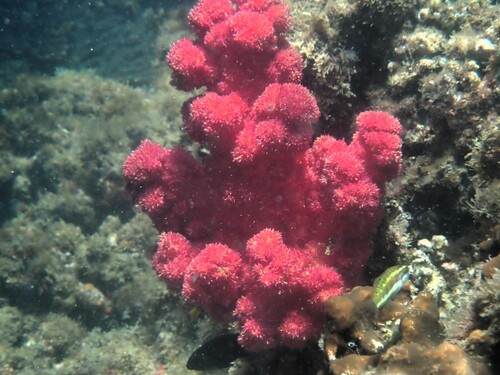
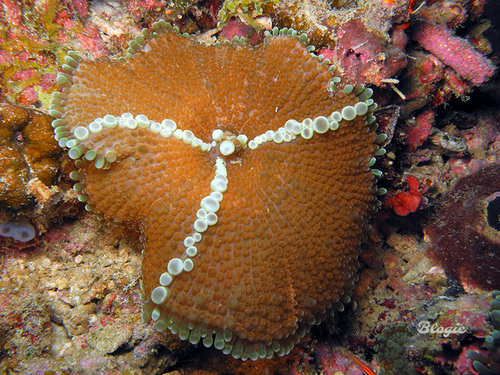
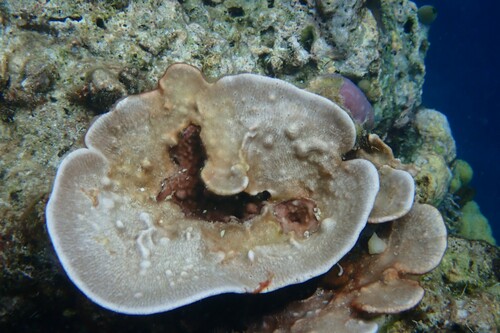
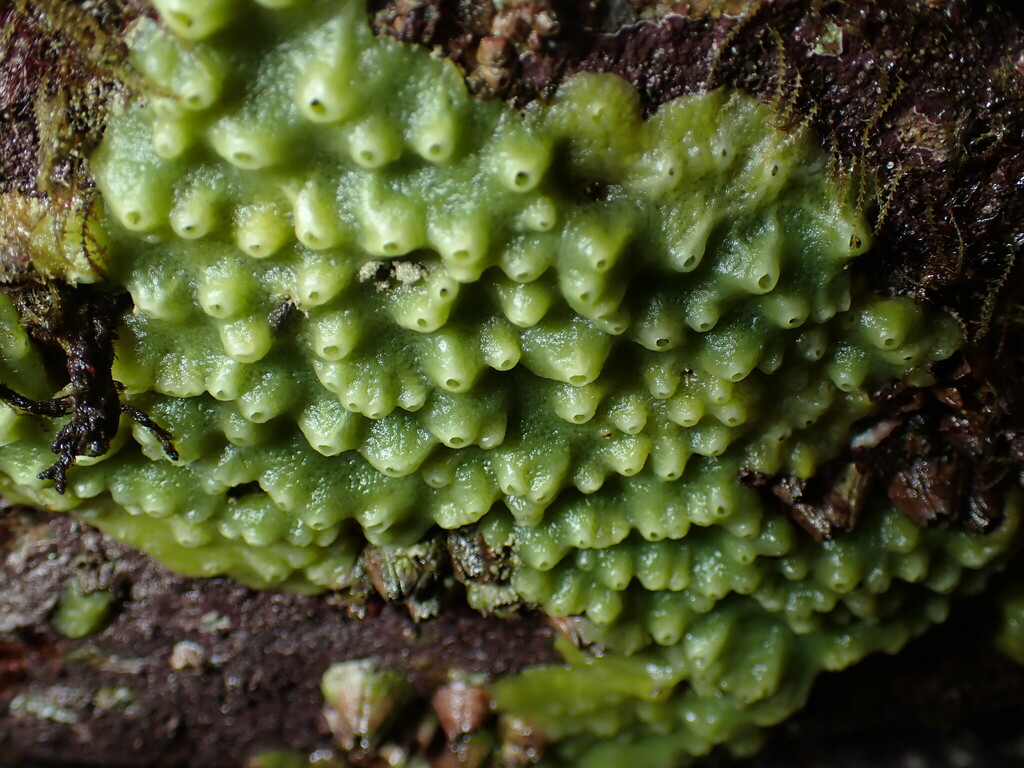
Sea Fans are stunning coral species known for their intricate, fan-like structures and vibrant colors.
Pricing for Verified Importers
Log in to see wholesale prices and order.
Export Size
up to 60.0 cm
Origin
Coral Triangle
Temperature
24.0–28.0°C
Min. Tank Size
100 L
Salinity
30.000–35.000 ppt
pH
8.10–8.40
Sea Fans, belonging to the family Grogoniidae, are a type of gorgonian coral that thrives in warm, shallow waters of the Coral Triangle, particularly around Bali, Indonesia. These corals are characterized by their unique, flattened, fan-like structures which can reach impressive sizes and are often adorned with vivid hues ranging from yellow to purple. Their morphology not only provides aesthetic appeal but also plays a crucial role in the marine ecosystem as they provide habitat for various marine organisms.
In terms of natural history, Sea Fans are primarily found in areas with strong water currents, where they can capture plankton and detritus that float by. These corals are colonial organisms, meaning they are composed of numerous polyps that work together to build the structure. Each polyp has tentacles equipped with specialized cells that capture food particles. Behaviorally, Sea Fans exhibit a passive feeding strategy, relying on water flow to bring nutrients directly to them, which allows them to thrive in nutrient-rich environments.
Sea Fans prefer to inhabit rocky substrates and are often found at depths ranging from 5 to 50 meters. Their structural complexity provides refuge for numerous small fish and invertebrates, contributing to the biodiversity of coral reef systems. The vibrant colors of Sea Fans are not only visually striking; they serve a function in photosynthesis, as symbiotic zooxanthellae live within their tissues and provide energy through the conversion of sunlight.
These corals are vital indicators of reef health and are sensitive to environmental changes. The presence of healthy Sea Fan populations can signify a robust marine ecosystem, making them an important species for conservation efforts as well as for aquarium enthusiasts looking to replicate a natural reef environment in captivity.
In terms of natural history, Sea Fans are primarily found in areas with strong water currents, where they can capture plankton and detritus that float by. These corals are colonial organisms, meaning they are composed of numerous polyps that work together to build the structure. Each polyp has tentacles equipped with specialized cells that capture food particles. Behaviorally, Sea Fans exhibit a passive feeding strategy, relying on water flow to bring nutrients directly to them, which allows them to thrive in nutrient-rich environments.
Sea Fans prefer to inhabit rocky substrates and are often found at depths ranging from 5 to 50 meters. Their structural complexity provides refuge for numerous small fish and invertebrates, contributing to the biodiversity of coral reef systems. The vibrant colors of Sea Fans are not only visually striking; they serve a function in photosynthesis, as symbiotic zooxanthellae live within their tissues and provide energy through the conversion of sunlight.
These corals are vital indicators of reef health and are sensitive to environmental changes. The presence of healthy Sea Fan populations can signify a robust marine ecosystem, making them an important species for conservation efforts as well as for aquarium enthusiasts looking to replicate a natural reef environment in captivity.
Importers and retailers should ensure that Sea Fans are kept in well-established reef aquariums with stable water parameters. The ideal temperature range for Sea Fans is between 24°C and 28°C, with a salinity of 30-35 ppt. Maintaining a pH level between 8.1 and 8.4 is essential for optimal health. As filter feeders, Sea Fans do not require traditional feeding methods; instead, they thrive on a diet of plankton and particulate matter in the water column. Regular addition of phytoplankton supplements can enhance their health and growth.
In terms of compatibility, Sea Fans are generally peaceful and can coexist with a variety of reef species, but caution should be taken with aggressive tank mates that may harm them. Acclimation of Sea Fans should be conducted slowly to minimize stress; a drip acclimation method is recommended. Quarantine new arrivals for at least two weeks to monitor for pests or diseases before introducing them to the main display tank.
Providing adequate water flow is crucial, as it aids in feeding and prevents sediment from settling on their surfaces, which can hinder their ability to feed and breathe. Regular water quality checks and maintenance will ensure a thriving environment for these delicate corals.
In terms of compatibility, Sea Fans are generally peaceful and can coexist with a variety of reef species, but caution should be taken with aggressive tank mates that may harm them. Acclimation of Sea Fans should be conducted slowly to minimize stress; a drip acclimation method is recommended. Quarantine new arrivals for at least two weeks to monitor for pests or diseases before introducing them to the main display tank.
Providing adequate water flow is crucial, as it aids in feeding and prevents sediment from settling on their surfaces, which can hinder their ability to feed and breathe. Regular water quality checks and maintenance will ensure a thriving environment for these delicate corals.
Sea Fans are sensitive to temperature fluctuations and should be shipped in well-insulated containers to maintain stable conditions. A packing density of 1-2 Sea Fans per container is recommended to prevent physical damage during transit. Ideal shipping temperatures should range between 24°C and 26°C. As a marine species, Sea Fans are not currently listed under CITES, but compliance with local regulations is essential during export.
Species Parameters
Max Adult Size
60.0 cm
Origin
Coral Triangle
Temp Min
24.0 °C
Temp Max
28.0 °C
Salinity Min
30.000
Salinity Max
35.000
pH Min
8.10
pH Max
8.40
Min Tank
100 L