CITES App. II
Ordinary Palythoa Button
Palithoa
In Stock
Common stock
Aquacultured
Easy care
Reef Safe ✓
SKU: CRPALIordina2
Discover the vibrant Ordinary Palythoa Button, a captivating coral species from Bali.
Pricing for Verified Importers
Log in to see wholesale prices and order.
Origin
Coral Triangle
Temperature
24.0–28.0°C
Min. Tank Size
100 L
Salinity
1.020–1.025 ppt
pH
8.10–8.40
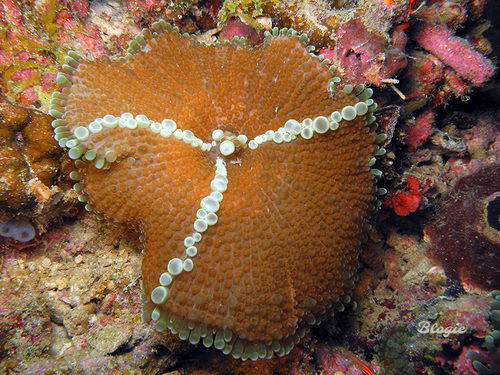
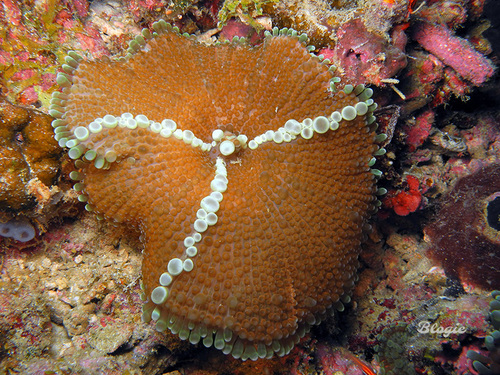
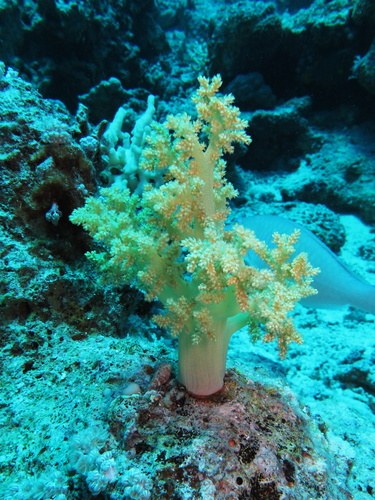
The Ordinary Palythoa Button (Palithoa) is a stunning coral species native to the warm waters of Bali, Indonesia. Characterized by its colorful polyps, this coral forms dense colonies that create a lively and attractive addition to any marine aquarium. The polyps exhibit a range of colors, from greens to browns, and their circular shape resembles buttons, which is how they earned their common name. These corals are often found in shallow reef environments, thriving in areas with moderate to strong water flow.
In nature, Palythoa corals play a crucial role in reef ecosystems, providing habitat and shelter for a variety of marine life. They are known for their resilience, able to adapt to various water conditions, though they flourish best in stable environments. Their symbiotic relationship with zooxanthellae allows them to photosynthesize, contributing to their growth and vibrant colors. This adaptability makes them a popular choice for both novice and experienced aquarists looking to enhance their reef tanks.
Behaviorally, Palythoa corals are typically peaceful and can coexist with a wide array of marine species. They are known to expand during the day, displaying their polyps, and retract at night. Although they can be aggressive towards other corals, they generally do well in community tanks when given adequate space. Their ability to reproduce both sexually and asexually allows for population growth in favorable conditions, making them a sustainable option for aquarists.
These corals are primarily found in the Coral Triangle, where biodiversity is richest. Their natural habitat consists of rocky substrates where they can attach securely. Due to their ecological significance and the beauty they lend to aquariums, Palythoa corals are highly sought after by aquarium importers and wholesalers alike, making them an excellent choice for your inventory.
In nature, Palythoa corals play a crucial role in reef ecosystems, providing habitat and shelter for a variety of marine life. They are known for their resilience, able to adapt to various water conditions, though they flourish best in stable environments. Their symbiotic relationship with zooxanthellae allows them to photosynthesize, contributing to their growth and vibrant colors. This adaptability makes them a popular choice for both novice and experienced aquarists looking to enhance their reef tanks.
Behaviorally, Palythoa corals are typically peaceful and can coexist with a wide array of marine species. They are known to expand during the day, displaying their polyps, and retract at night. Although they can be aggressive towards other corals, they generally do well in community tanks when given adequate space. Their ability to reproduce both sexually and asexually allows for population growth in favorable conditions, making them a sustainable option for aquarists.
These corals are primarily found in the Coral Triangle, where biodiversity is richest. Their natural habitat consists of rocky substrates where they can attach securely. Due to their ecological significance and the beauty they lend to aquariums, Palythoa corals are highly sought after by aquarium importers and wholesalers alike, making them an excellent choice for your inventory.
When caring for Ordinary Palythoa Buttons, maintaining optimal water parameters is crucial. The ideal temperature range is between 24°C to 28°C, with a salinity level of 1.020 to 1.025 ppt. The pH should be kept between 8.1 and 8.4 to ensure a healthy environment. Regular testing of these parameters will help prevent stress and promote growth.
Feeding is also an essential aspect of their care. While Palythoa corals primarily rely on photosynthesis, supplemental feeding with microplankton or coral-specific foods can enhance their health and coloration. It’s important to feed them during the evening when they are most active. Compatibility is generally high, but care should be taken to provide ample space between them and more aggressive corals to prevent territorial disputes.
Acclimation is critical when introducing Palythoa corals to a new environment. Use the drip acclimation method over several hours to allow them to adjust to the new water conditions slowly. Quarantine new specimens for at least two weeks to monitor for pests or diseases before adding them to the main tank. This practice helps ensure the health of both the new and existing corals in your aquarium.
Feeding is also an essential aspect of their care. While Palythoa corals primarily rely on photosynthesis, supplemental feeding with microplankton or coral-specific foods can enhance their health and coloration. It’s important to feed them during the evening when they are most active. Compatibility is generally high, but care should be taken to provide ample space between them and more aggressive corals to prevent territorial disputes.
Acclimation is critical when introducing Palythoa corals to a new environment. Use the drip acclimation method over several hours to allow them to adjust to the new water conditions slowly. Quarantine new specimens for at least two weeks to monitor for pests or diseases before adding them to the main tank. This practice helps ensure the health of both the new and existing corals in your aquarium.
Ordinary Palythoa Buttons are well-suited for shipping, provided they are packed securely in water-filled bags with sufficient oxygen. Optimal packing density should be maintained to prevent damage during transit. They are moderately temperature-sensitive, requiring a stable temperature range of 24°C to 28°C during shipping. As a coral species, they fall under CITES regulations, and all necessary paperwork should be prepared to ensure compliance with international trade laws.
Species Parameters
Origin
Coral Triangle
Habitat
reef
Temp Min
24.0 °C
Temp Max
28.0 °C
Salinity Min
1.020
Salinity Max
1.025
pH Min
8.10
pH Max
8.40
Min Tank
100 L