CITES App. II
Towel Algae
Caulerpa Spec
In Stock
Common stock
Wild Caught
Moderate care
Reef Safe ✓
SKU: CB-SC-0185
Towel Algae (Caulerpa Spec) adds vibrant greenery to aquariums and supports marine life.
Pricing for Verified Importers
Log in to see wholesale prices and order.
Export Size
up to 15.0 cm
Origin
Coral Triangle
Temperature
24.0–28.0°C
Min. Tank Size
100 L
Salinity
30.000–35.000 ppt
pH
7.80–8.50
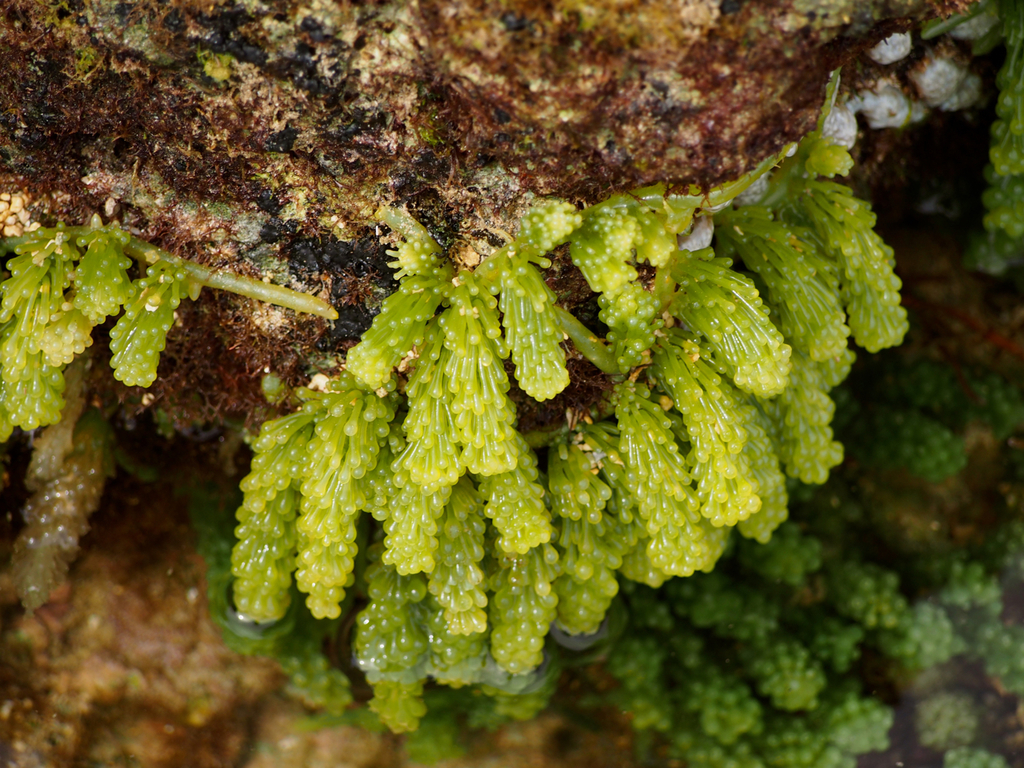
Towel Algae, scientifically known as Caulerpa Spec, is a highly sought-after marine macroalga found primarily in the shallow waters of the Coral Triangle, particularly around Bali, Indonesia. This species is renowned for its unique appearance, characterized by its feathery, towel-like texture, which can vary in shades of green. The structural design of Towel Algae not only enhances the aesthetics of aquatic environments but also provides essential habitat and food sources for various marine organisms.
In the wild, Towel Algae thrives in sandy and rocky substrates, often forming dense mats that help stabilize the ecosystem and prevent erosion. It plays a critical role in the marine food web, serving as a food source for herbivorous fish and invertebrates. Its ability to photosynthesize allows it to contribute to oxygen production in its environment, making it vital for maintaining healthy water conditions.
Behaviorally, Towel Algae is generally non-invasive and can coexist with various coral species, making it an ideal choice for reef aquariums. It grows relatively slowly compared to other macroalgae, which allows it to be cultivated without overwhelming tank environments. Additionally, it provides shelter for small fish and crustaceans, contributing to the biodiversity of the aquarium.
This species is also known for its resilience to fluctuations in water parameters, making it suitable for various marine setups. However, it is essential to monitor its growth to ensure it does not outcompete other flora in the tank for space and nutrients.
In the wild, Towel Algae thrives in sandy and rocky substrates, often forming dense mats that help stabilize the ecosystem and prevent erosion. It plays a critical role in the marine food web, serving as a food source for herbivorous fish and invertebrates. Its ability to photosynthesize allows it to contribute to oxygen production in its environment, making it vital for maintaining healthy water conditions.
Behaviorally, Towel Algae is generally non-invasive and can coexist with various coral species, making it an ideal choice for reef aquariums. It grows relatively slowly compared to other macroalgae, which allows it to be cultivated without overwhelming tank environments. Additionally, it provides shelter for small fish and crustaceans, contributing to the biodiversity of the aquarium.
This species is also known for its resilience to fluctuations in water parameters, making it suitable for various marine setups. However, it is essential to monitor its growth to ensure it does not outcompete other flora in the tank for space and nutrients.
To maintain optimal health for Towel Algae (Caulerpa Spec), aquarium importers and retailers should ensure water parameters are closely monitored. The ideal temperature range for this species is between 24°C to 28°C, with a salinity level of 30-35 ppt. Maintaining a pH level between 7.8 and 8.5 is crucial for its growth and overall health.
Feeding Towel Algae is relatively straightforward, as it primarily relies on photosynthesis. However, supplementing with liquid fertilizers that provide essential nutrients can enhance its growth. Ensure that adequate lighting is provided, as this species requires moderate to high light conditions to thrive. Compatibility with other species is generally favorable, but it is best to avoid overly aggressive algae eaters that may damage the delicate fronds.
When acclimating Towel Algae to new environments, gradual introduction to the tank is recommended to minimize stress. Quarantine procedures should be followed to prevent the introduction of pests or diseases into the main aquarium. A period of at least one week is advisable in a separate tank with similar water parameters before introducing it to the main display.
Regular pruning may be necessary to control growth and promote healthy development, ensuring that it does not overshadow other tank inhabitants. By adhering to these care guidelines, aquarium importers can ensure the successful cultivation and sale of Towel Algae.
Feeding Towel Algae is relatively straightforward, as it primarily relies on photosynthesis. However, supplementing with liquid fertilizers that provide essential nutrients can enhance its growth. Ensure that adequate lighting is provided, as this species requires moderate to high light conditions to thrive. Compatibility with other species is generally favorable, but it is best to avoid overly aggressive algae eaters that may damage the delicate fronds.
When acclimating Towel Algae to new environments, gradual introduction to the tank is recommended to minimize stress. Quarantine procedures should be followed to prevent the introduction of pests or diseases into the main aquarium. A period of at least one week is advisable in a separate tank with similar water parameters before introducing it to the main display.
Regular pruning may be necessary to control growth and promote healthy development, ensuring that it does not overshadow other tank inhabitants. By adhering to these care guidelines, aquarium importers can ensure the successful cultivation and sale of Towel Algae.
Towel Algae is suitable for shipping due to its hardiness; however, proper care must be taken to prevent desiccation. Packing density should be moderate to avoid crushing the delicate fronds during transit. The ideal shipping temperature is between 20°C to 25°C, and it is crucial to ensure that the algae is kept moist throughout the shipping process. Currently, Towel Algae does not fall under CITES regulations, simplifying the export process.
Species Parameters
Max Adult Size
15.0 cm
Origin
Coral Triangle
Temp Min
24.0 °C
Temp Max
28.0 °C
Salinity Min
30.000
Salinity Max
35.000
pH Min
7.80
pH Max
8.50
Min Tank
100 L