CITES App. II
Long stalk polyp metalic color
Palithoa
In Stock
Common stock
Aquacultured
Easy care
Reef Safe ✓
SKU: CRPALIlongs
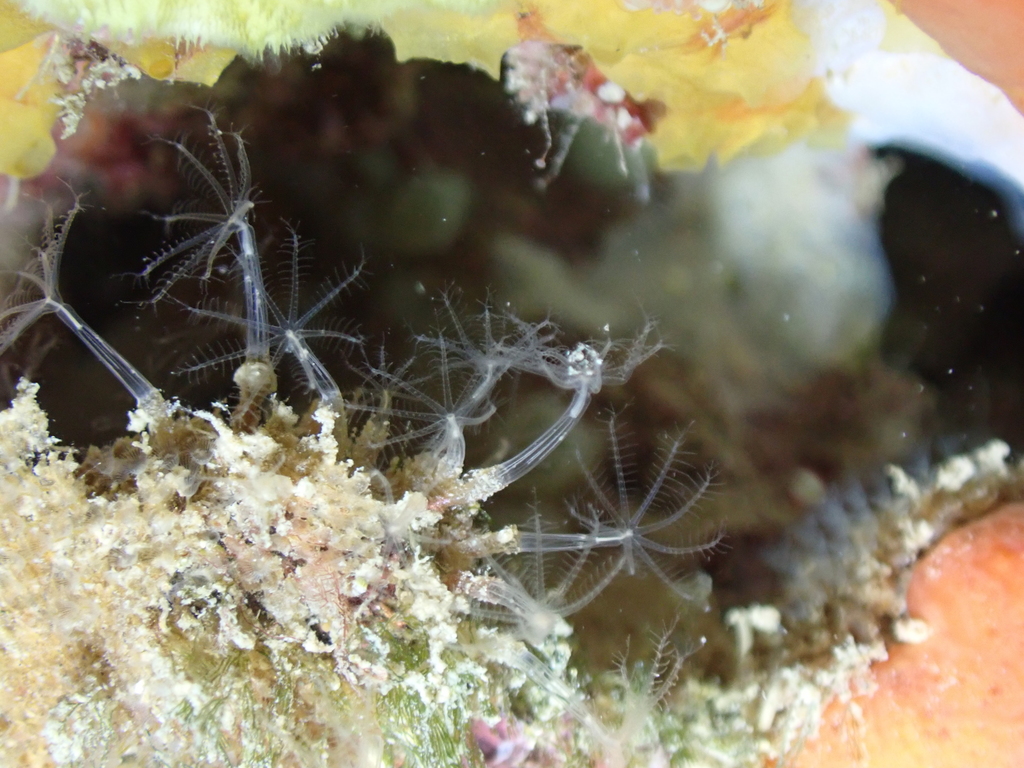
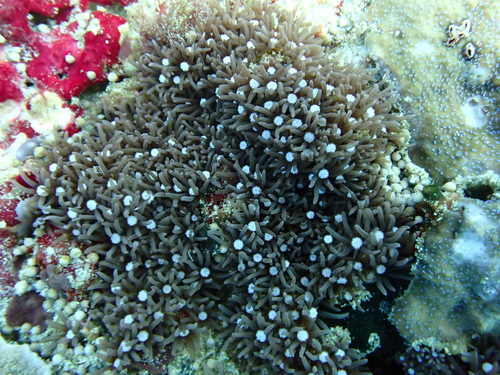
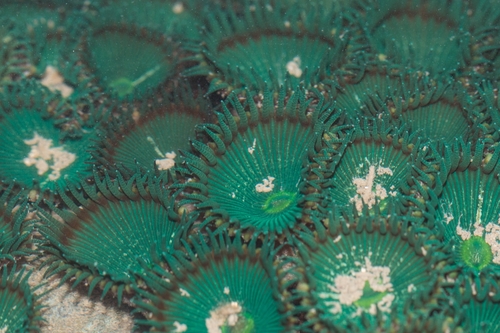
The Long Stalk Polyp (Palithoa) captivates with its striking metallic hues, making it a favorite among coral enthusiasts.
Pricing for Verified Importers
Log in to see wholesale prices and order.
Export Size
up to 30.0 cm
Origin
Indo-Pacific
Temperature
23.0–28.0°C
Min. Tank Size
100 L
Salinity
35.000–40.000 ppt
The Long Stalk Polyp, scientifically known as Palithoa, is a captivating species of coral that thrives in the warm, shallow waters of the Indo-Pacific region, particularly around Indonesia. This coral is characterized by its elongated stalks and vibrant metallic colors, which can range from deep greens to brilliant purples, adding a unique aesthetic appeal to any aquarium. The polyps extend outward during the day, showcasing their stunning hues, while retracting at night to protect themselves from predators.
In its natural habitat, the Long Stalk Polyp typically forms dense colonies on rocky substrates, providing essential structure and habitat for various marine organisms. These corals are primarily found in areas with moderate water flow, which helps them capture plankton and other nutrients. Their growth pattern often leads to the formation of lush underwater gardens that contribute to the overall biodiversity of coral reefs.
Behaviorally, Palithoa corals exhibit a fascinating symbiotic relationship with zooxanthellae, microscopic algae residing within their tissues. This partnership enables them to photosynthesize, providing energy while also enhancing their vibrant coloration. The Long Stalk Polyp is known for its resilience, adapting well to various conditions, although it thrives best in stable environments with adequate lighting and water quality.
Overall, the Long Stalk Polyp is not only visually stunning but also plays a critical role in sustaining marine ecosystems. Its ability to flourish in diverse environments makes it an excellent choice for both novice and experienced aquarium keepers looking to enhance their displays with a splash of color and life.
In its natural habitat, the Long Stalk Polyp typically forms dense colonies on rocky substrates, providing essential structure and habitat for various marine organisms. These corals are primarily found in areas with moderate water flow, which helps them capture plankton and other nutrients. Their growth pattern often leads to the formation of lush underwater gardens that contribute to the overall biodiversity of coral reefs.
Behaviorally, Palithoa corals exhibit a fascinating symbiotic relationship with zooxanthellae, microscopic algae residing within their tissues. This partnership enables them to photosynthesize, providing energy while also enhancing their vibrant coloration. The Long Stalk Polyp is known for its resilience, adapting well to various conditions, although it thrives best in stable environments with adequate lighting and water quality.
Overall, the Long Stalk Polyp is not only visually stunning but also plays a critical role in sustaining marine ecosystems. Its ability to flourish in diverse environments makes it an excellent choice for both novice and experienced aquarium keepers looking to enhance their displays with a splash of color and life.
To ensure the health and vitality of Long Stalk Polyps, it is crucial to maintain specific water parameters. Ideal temperatures range between 23-28°C, with a salinity of 35-40 ppt, and a pH level between 8.1-8.4. Regular monitoring of these conditions will help prevent stress and promote optimal growth.
Feeding Long Stalk Polyps involves providing a mix of finely crushed coral food and supplemental plankton or liquid fertilizers, ensuring that they receive adequate nutrients in addition to the energy they obtain from photosynthesis. These corals are generally compatible with a variety of tank mates, though it is best to avoid aggressive species that may harm them.
Acclimation is critical when introducing Palithoa to a new environment. It is advisable to slowly acclimate the corals over several hours through a drip method to minimize shock. Quarantine new specimens for at least two weeks to monitor for any signs of disease or pests before introducing them to the main display tank. This practice will safeguard the health of your existing coral and fish populations.
Feeding Long Stalk Polyps involves providing a mix of finely crushed coral food and supplemental plankton or liquid fertilizers, ensuring that they receive adequate nutrients in addition to the energy they obtain from photosynthesis. These corals are generally compatible with a variety of tank mates, though it is best to avoid aggressive species that may harm them.
Acclimation is critical when introducing Palithoa to a new environment. It is advisable to slowly acclimate the corals over several hours through a drip method to minimize shock. Quarantine new specimens for at least two weeks to monitor for any signs of disease or pests before introducing them to the main display tank. This practice will safeguard the health of your existing coral and fish populations.
The Long Stalk Polyp is suitable for shipping, provided proper precautions are taken. Packing should ensure minimal movement and maintain stable temperatures between 22-26°C. A density of 1-2 polyps per shipping container is recommended to avoid stress. As a coral species, it is important to check CITES regulations to ensure compliance during export.
Species Parameters
Max Adult Size
30.0 cm
Origin
Indo-Pacific
Habitat
reef
Temp Min
23.0 °C
Temp Max
28.0 °C
Salinity Min
35.000
Salinity Max
40.000
Min Tank
100 L