CITES App. II
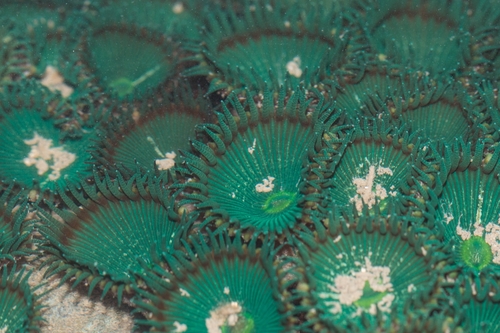
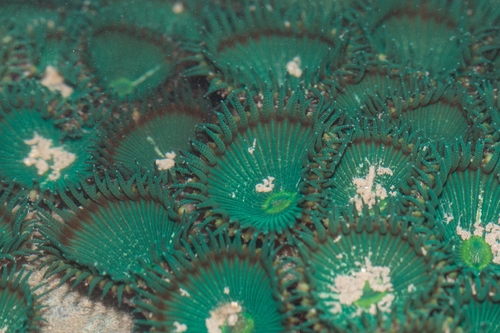
Green Metalic Sand Polyps
Zoanthus Spec.
In Stock
Common stock
Wild Caught
Moderate care
Reef Safe ✓
SKU: CB-SC-0106
Discover the vibrant beauty of Green Metallic Sand Polyps, a stunning coral species native to Bali.
Pricing for Verified Importers
Log in to see wholesale prices and order.
Export Size
up to 5.0 cm
Origin
Coral Triangle
Temperature
24.0–28.0°C
Min. Tank Size
100 L
Salinity
30.000–35.000 ppt
pH
8.10–8.40
Green Metallic Sand Polyps, scientifically known as Zoanthus spec., are a captivating coral species renowned for their striking green coloration and metallic sheen. These polyps exhibit a unique, flower-like appearance, with individual polyps that can expand significantly to reveal their vibrant hues, creating a stunning visual display in any aquarium setting. Their alluring looks are complemented by a fascinating array of textures that add depth to marine displays.
In their natural habitat, these corals thrive in shallow, warm waters, primarily found in the Coral Triangle region of Southeast Asia, where they can be seen clinging to rocky substrates and sandy bottoms. They are commonly associated with reef ecosystems, contributing to the biodiversity of these crucial marine environments. Their symbiotic relationship with zooxanthellae allows them to harness sunlight for energy, making them a vital component of the reef's food web.
Behaviorally, Green Metallic Sand Polyps are peaceful and can coexist with a variety of tank mates, making them an excellent choice for community reef aquariums. They display unique feeding behaviors, extending their tentacles to capture zooplankton and other microscopic food in the water column during the night, while during the day, they rely on photosynthesis for sustenance. This dual feeding strategy highlights their adaptability and resilience in changing environmental conditions.
These corals require specific care and attention to thrive in captivity. Proper understanding of their natural history is crucial for successful husbandry and propagation in aquaculture settings, making them a desirable species for both hobbyists and commercial aquarists alike.
In their natural habitat, these corals thrive in shallow, warm waters, primarily found in the Coral Triangle region of Southeast Asia, where they can be seen clinging to rocky substrates and sandy bottoms. They are commonly associated with reef ecosystems, contributing to the biodiversity of these crucial marine environments. Their symbiotic relationship with zooxanthellae allows them to harness sunlight for energy, making them a vital component of the reef's food web.
Behaviorally, Green Metallic Sand Polyps are peaceful and can coexist with a variety of tank mates, making them an excellent choice for community reef aquariums. They display unique feeding behaviors, extending their tentacles to capture zooplankton and other microscopic food in the water column during the night, while during the day, they rely on photosynthesis for sustenance. This dual feeding strategy highlights their adaptability and resilience in changing environmental conditions.
These corals require specific care and attention to thrive in captivity. Proper understanding of their natural history is crucial for successful husbandry and propagation in aquaculture settings, making them a desirable species for both hobbyists and commercial aquarists alike.
To maintain the health of Green Metallic Sand Polyps, it's essential to replicate their natural habitat as closely as possible. Optimal water parameters include a temperature range of 24-28°C, salinity levels between 30-35 ppt, and a pH of 8.1-8.4. Regular monitoring of these parameters will help ensure a stable environment conducive to coral growth.
Feeding should be tailored to their needs; although they primarily rely on photosynthesis, supplementing their diet with finely crushed marine foods or zooplankton a few times a week can enhance their health and coloration. Compatibility is generally good, as these polyps can coexist with peaceful reef inhabitants but should be kept away from aggressive species that might harm them.
Acclimation is critical; when introducing Green Metallic Sand Polyps to a new tank, it's advisable to use a slow drip method over several hours to minimize stress. Quarantine new arrivals for at least two weeks to monitor for pests or diseases before placing them in the main display tank. Regular maintenance, including water changes and monitoring for pests, will promote the long-term health of these corals in your systems.
Feeding should be tailored to their needs; although they primarily rely on photosynthesis, supplementing their diet with finely crushed marine foods or zooplankton a few times a week can enhance their health and coloration. Compatibility is generally good, as these polyps can coexist with peaceful reef inhabitants but should be kept away from aggressive species that might harm them.
Acclimation is critical; when introducing Green Metallic Sand Polyps to a new tank, it's advisable to use a slow drip method over several hours to minimize stress. Quarantine new arrivals for at least two weeks to monitor for pests or diseases before placing them in the main display tank. Regular maintenance, including water changes and monitoring for pests, will promote the long-term health of these corals in your systems.
Green Metallic Sand Polyps are suitable for shipping and can be packed securely to minimize stress during transit. It is recommended to maintain a packing density that allows for adequate water circulation while avoiding overcrowding. These corals are sensitive to temperature fluctuations; therefore, shipping should occur within a temperature range of 20-25°C. As a coral species, they are not listed under CITES, simplifying the export process.
Species Parameters
Max Adult Size
5.0 cm
Origin
Coral Triangle
Temp Min
24.0 °C
Temp Max
28.0 °C
Salinity Min
30.000
Salinity Max
35.000
pH Min
8.10
pH Max
8.40
Min Tank
100 L