CITES App. II
Ordinary Long stalk polyp
Palithoa
In Stock
Common stock
Aquacultured
Easy care
Reef Safe ✓
SKU: CRPALIordina
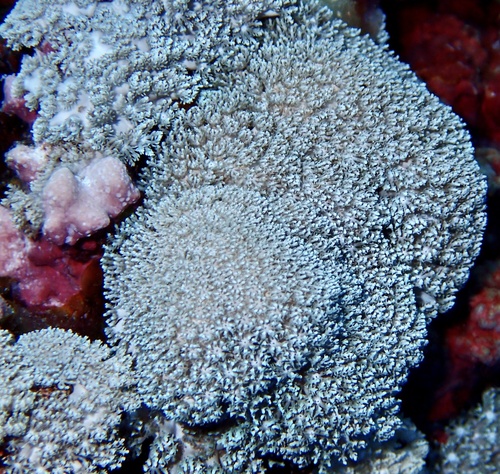
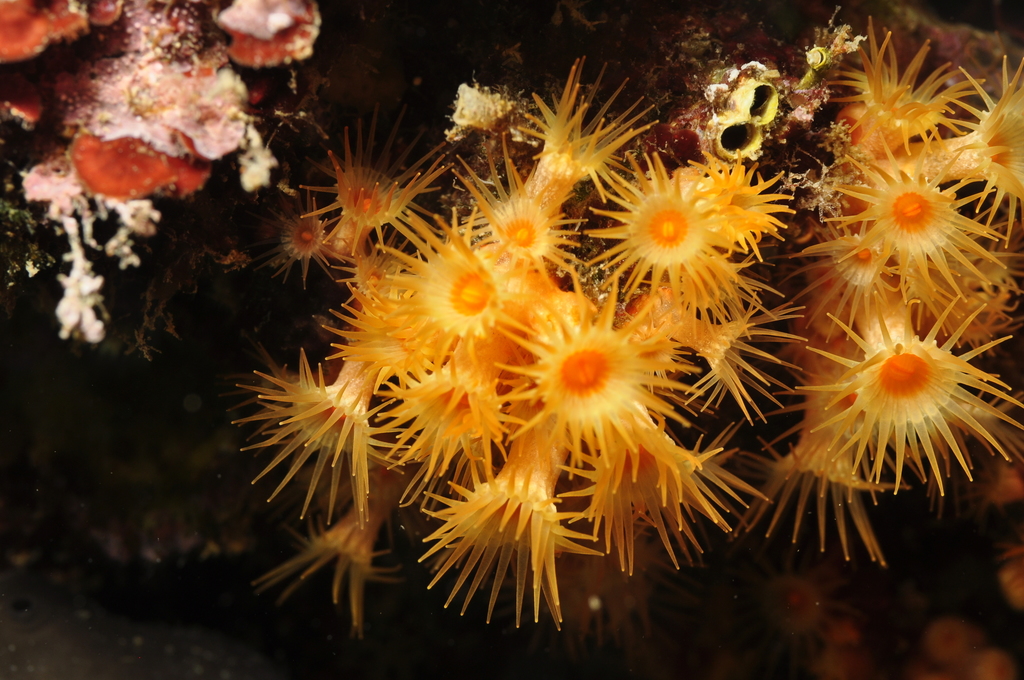
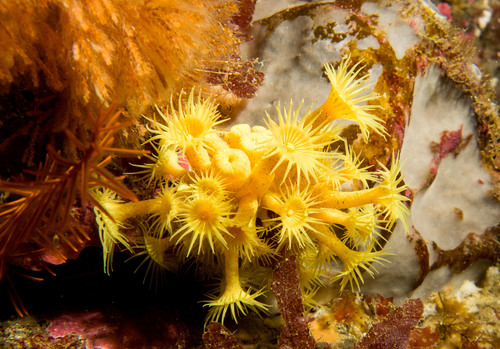
The Ordinary Long stalk polyp (Palithoa) is a captivating coral known for its unique morphology and vibrant colors.
Pricing for Verified Importers
Log in to see wholesale prices and order.
Origin
Coral Triangle
Temperature
24.0–28.0°C
Min. Tank Size
100 L
Salinity
32.000–36.000 ppt
The Ordinary Long stalk polyp, scientifically known as Palithoa, is a fascinating species of coral that thrives in diverse marine environments. Found predominantly in the Coral Triangle, this species is characterized by its long, slender stalks that support a cluster of polyps at the top. These polyps display a range of colors, often exhibiting bright greens, blues, and purples, making them a visually striking addition to any aquarium. Their unique structure not only contributes to their aesthetic appeal but also provides essential habitat complexity in reef ecosystems.
In terms of natural history, Palithoa corals are primarily colonial, with individual polyps connected by a shared tissue called coenosarc. This allows them to communicate and share resources effectively. They play a critical role in reef-building, as their calcium carbonate skeletons contribute to the structural integrity of coral reefs. The polyps extend their tentacles to capture plankton and small particles from the water, showcasing their adaptability and importance in nutrient cycling within their habitats.
Behaviorally, these corals are relatively hardy and can tolerate varying conditions, although they thrive best in stable environments. They exhibit a symbiotic relationship with zooxanthellae, photosynthetic algae that live within their tissues, providing the coral with energy through photosynthesis. This relationship is vital, as it enhances their growth and resilience against environmental stressors.
Palithoa corals typically inhabit shallow, warm waters, often found on rocky substrates or sandy bottoms. They can be seen in both lagoon and reef environments, where they benefit from ample sunlight and nutrient availability. This adaptability allows them to flourish in various marine settings, making them a valuable species for both ecological balance and aquarium trade.
In terms of natural history, Palithoa corals are primarily colonial, with individual polyps connected by a shared tissue called coenosarc. This allows them to communicate and share resources effectively. They play a critical role in reef-building, as their calcium carbonate skeletons contribute to the structural integrity of coral reefs. The polyps extend their tentacles to capture plankton and small particles from the water, showcasing their adaptability and importance in nutrient cycling within their habitats.
Behaviorally, these corals are relatively hardy and can tolerate varying conditions, although they thrive best in stable environments. They exhibit a symbiotic relationship with zooxanthellae, photosynthetic algae that live within their tissues, providing the coral with energy through photosynthesis. This relationship is vital, as it enhances their growth and resilience against environmental stressors.
Palithoa corals typically inhabit shallow, warm waters, often found on rocky substrates or sandy bottoms. They can be seen in both lagoon and reef environments, where they benefit from ample sunlight and nutrient availability. This adaptability allows them to flourish in various marine settings, making them a valuable species for both ecological balance and aquarium trade.
When caring for Ordinary Long stalk polyp (Palithoa) corals, it is essential to maintain specific water parameters to ensure their health and growth. Ideal temperature ranges from 24°C to 28°C, while salinity should be kept between 32 to 36 ppt. pH levels should be maintained around 8.1 to 8.4 for optimal conditions. It is recommended to have a minimum tank size of 100 liters to provide sufficient space for growth and stability.
Feeding Palithoa corals can be achieved through a combination of methods. While they derive a significant portion of their nutrition from the symbiotic zooxanthellae, supplemental feeding with planktonic foods or coral-specific liquid foods can enhance their health. Compatibility with other tank inhabitants is generally good, but care should be taken with aggressive species that may compete for space or resources.
Acclimation is a critical step for importers and retailers when introducing these corals into new tanks. A slow acclimatization process over several hours, gradually introducing them to the tank's water parameters, will reduce stress and increase survival rates. Quarantine procedures should include monitoring for pests and diseases, ensuring that the coral is healthy before being added to the main display tank.
Feeding Palithoa corals can be achieved through a combination of methods. While they derive a significant portion of their nutrition from the symbiotic zooxanthellae, supplemental feeding with planktonic foods or coral-specific liquid foods can enhance their health. Compatibility with other tank inhabitants is generally good, but care should be taken with aggressive species that may compete for space or resources.
Acclimation is a critical step for importers and retailers when introducing these corals into new tanks. A slow acclimatization process over several hours, gradually introducing them to the tank's water parameters, will reduce stress and increase survival rates. Quarantine procedures should include monitoring for pests and diseases, ensuring that the coral is healthy before being added to the main display tank.
The Ordinary Long stalk polyp (Palithoa) is suitable for shipping due to its hardiness. Packing density should be moderate, with adequate space to prevent damage during transit. Maintain temperatures between 24°C and 28°C to ensure the corals remain healthy during transport. Currently, Palithoa is not listed under CITES, simplifying the shipping process for exporters.
Species Parameters
Origin
Coral Triangle
Habitat
reef
Temp Min
24.0 °C
Temp Max
28.0 °C
Salinity Min
32.000
Salinity Max
36.000
Min Tank
100 L