CITES App. II
Red Sand Polyps (Palu)
Zoanthus Spec.
In Stock
Common stock
Wild Caught
Moderate care
Reef Safe ✓
SKU: CB-SC-0103
Discover the vibrant Red Sand Polyps, a captivating coral species from Bali.
Pricing for Verified Importers
Log in to see wholesale prices and order.
Export Size
up to 5.0 cm
Origin
Coral Triangle
Temperature
24.0–28.0°C
Min. Tank Size
100 L
Salinity
33.000–35.000 ppt
pH
8.10–8.40
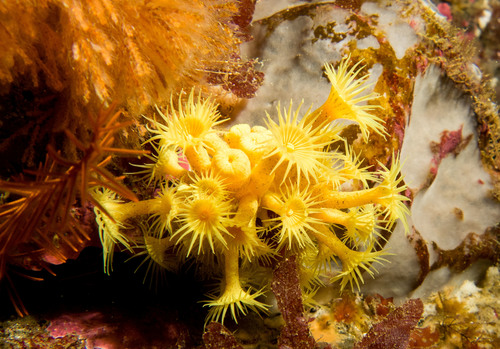
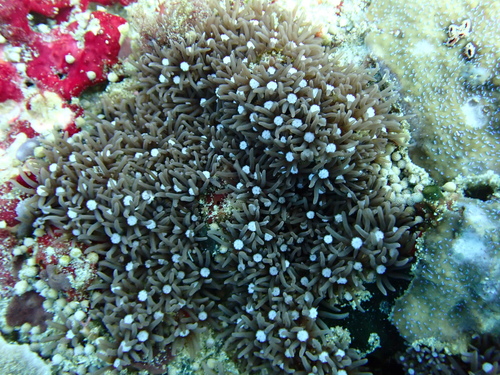
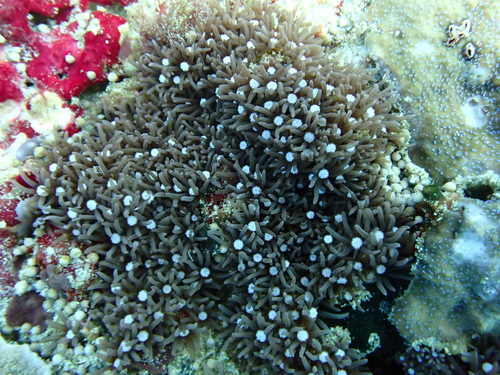
Red Sand Polyps, scientifically known as Zoanthus species, are a stunning addition to any reef aquarium. These corals are characterized by their vibrant red and orange coloration, which can create a striking contrast against the blue backdrop of marine tanks. Their unique polyps are often seen extending during the day, showcasing their beautiful hues while also engaging in essential feeding behaviors.
Found primarily in shallow waters of the Coral Triangle, these corals thrive in areas with moderate water movement and ample sunlight. They grow in colonies, forming large mats that can cover rocks and substrates, making them not only beautiful but also functional as part of a reef ecosystem. Their habitat is typically characterized by sandy substrates and a mix of coral and hard surfaces that provide attachment points.
Behaviorally, Red Sand Polyps exhibit both photosynthetic and heterotrophic feeding strategies. They have symbiotic relationships with zooxanthellae, which provide them with energy from sunlight, while they also capture plankton and small organic particles from the water. This dual feeding strategy allows them to thrive in various conditions, making them a resilient choice for aquarists.
In addition to their visual appeal, Red Sand Polyps play an important role in marine ecosystems by providing habitat and food for various small marine organisms. Their presence can enhance the biodiversity of a reef aquarium, making them a favorite among marine enthusiasts and professionals alike.
Found primarily in shallow waters of the Coral Triangle, these corals thrive in areas with moderate water movement and ample sunlight. They grow in colonies, forming large mats that can cover rocks and substrates, making them not only beautiful but also functional as part of a reef ecosystem. Their habitat is typically characterized by sandy substrates and a mix of coral and hard surfaces that provide attachment points.
Behaviorally, Red Sand Polyps exhibit both photosynthetic and heterotrophic feeding strategies. They have symbiotic relationships with zooxanthellae, which provide them with energy from sunlight, while they also capture plankton and small organic particles from the water. This dual feeding strategy allows them to thrive in various conditions, making them a resilient choice for aquarists.
In addition to their visual appeal, Red Sand Polyps play an important role in marine ecosystems by providing habitat and food for various small marine organisms. Their presence can enhance the biodiversity of a reef aquarium, making them a favorite among marine enthusiasts and professionals alike.
For optimal care of Red Sand Polyps, maintain stable water parameters: temperature between 24-28°C, salinity around 1.023-1.025 ppt, and pH levels ranging from 8.1 to 8.4. They appreciate moderate water flow, which helps with feeding and nutrient distribution. Lighting should be moderate to high, as they thrive on both natural and artificial light sources.
Feeding Red Sand Polyps is essential for their health and growth. While they benefit from light due to their symbiotic algae, supplementing their diet with small zooplankton or coral foods will enhance their vitality. They are generally compatible with other peaceful corals and fish, but care should be taken not to house them with aggressive species that may compete for space and resources.
Acclimation is crucial when introducing Red Sand Polyps to a new environment. Float the bag in the aquarium for about 15-20 minutes to equalize temperatures, then gradually mix tank water into the bag over a couple of hours before releasing them into the tank. Quarantine new specimens for at least two weeks to prevent introducing pests or diseases into established systems.
Feeding Red Sand Polyps is essential for their health and growth. While they benefit from light due to their symbiotic algae, supplementing their diet with small zooplankton or coral foods will enhance their vitality. They are generally compatible with other peaceful corals and fish, but care should be taken not to house them with aggressive species that may compete for space and resources.
Acclimation is crucial when introducing Red Sand Polyps to a new environment. Float the bag in the aquarium for about 15-20 minutes to equalize temperatures, then gradually mix tank water into the bag over a couple of hours before releasing them into the tank. Quarantine new specimens for at least two weeks to prevent introducing pests or diseases into established systems.
Red Sand Polyps are well-suited for shipping, provided they are packed securely in damp materials to maintain humidity. A packing density of 1-2 polyps per container is advisable to minimize stress during transport. They are sensitive to temperature fluctuations, so maintaining a stable temperature between 22-26°C is crucial. These corals are not listed under CITES, simplifying the export process.
Species Parameters
Max Adult Size
5.0 cm
Origin
Coral Triangle
Temp Min
24.0 °C
Temp Max
28.0 °C
Salinity Min
33.000
Salinity Max
35.000
pH Min
8.10
pH Max
8.40
Min Tank
100 L