CITES App. II
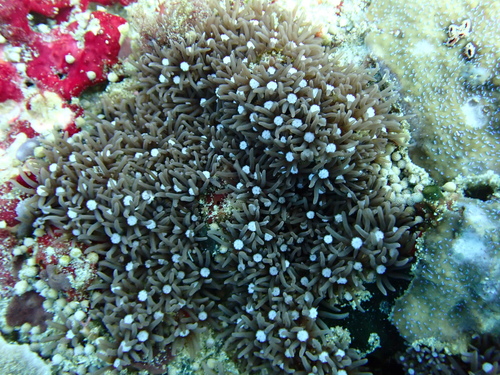
Star Polyps Green
Pachyclavularia sp
In Stock
Common stock
Aquacultured
Easy care
Reef Safe ✓
SKU: CRPACHstarp
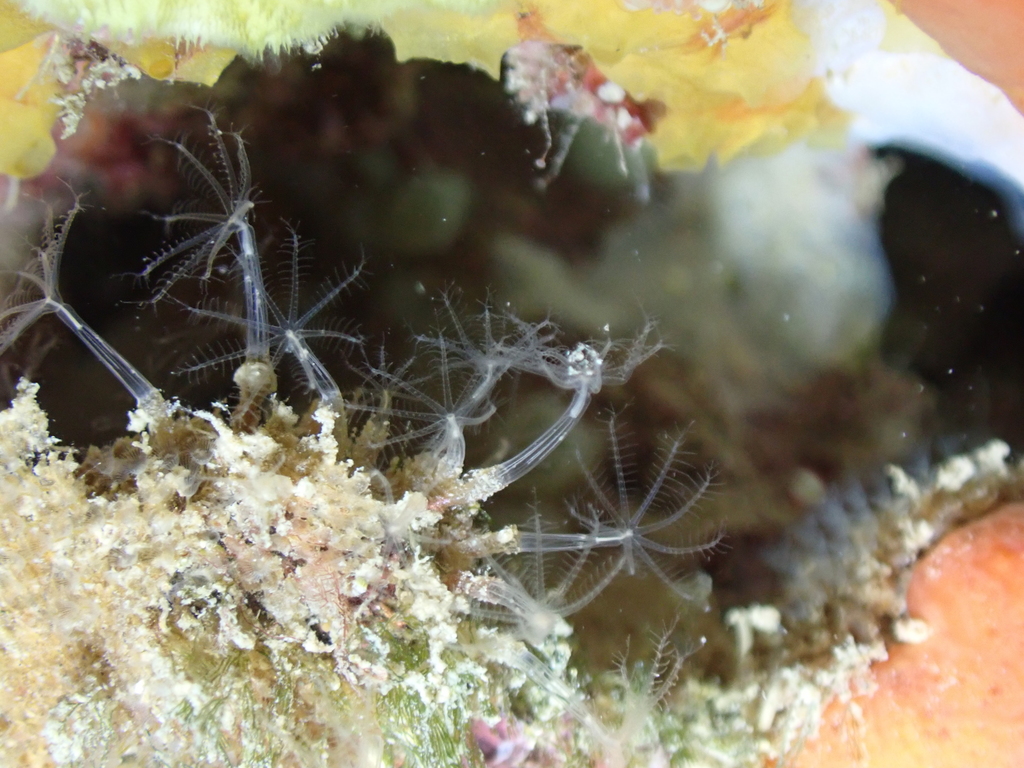
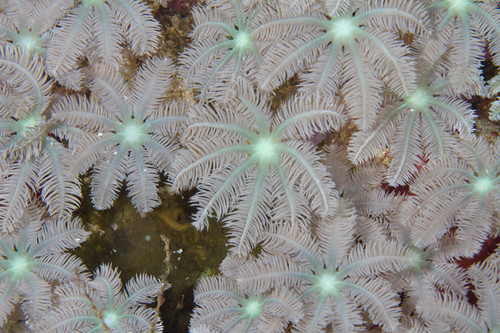
Star Polyps Green are vibrant corals known for their striking green coloration and mesmerizing polyp extension.
Pricing for Verified Importers
Log in to see wholesale prices and order.
Export Size
up to 30.0 cm
Origin
Indo-Pacific
Temperature
24.0–28.0°C
Min. Tank Size
100 L
Salinity
32.000–35.000 ppt
pH
8.10–8.40
Star Polyps Green (Pachyclavularia sp) are a captivating species of soft coral that add a vivid splash of color to any marine aquarium. These corals are characterized by their bright green polyps that extend from a mat of tissue, creating a visually stunning display. When fully expanded, they exhibit a star-like appearance, making them a favorite among reef enthusiasts. Originating from the shallow waters of the Indo-Pacific region, they thrive in various marine environments, often found attached to rocks and coral reefs.
In terms of natural history, Star Polyps Green possess unique adaptations that allow them to flourish in their natural habitats. They are photosynthetic organisms, relying on symbiotic zooxanthellae algae within their tissues to produce energy from sunlight. This relationship not only supports their growth but also contributes to the vibrant colors that make them so appealing in aquariums. Additionally, their ability to reproduce both sexually and asexually enables them to spread and colonize new areas efficiently.
Behaviorally, Star Polyps Green are relatively peaceful corals, making them suitable for community tanks. They can exhibit aggressive tendencies towards competing corals by releasing stinging cells; therefore, providing adequate space for growth and minimizing contact with other species is vital. Their adaptability to varying water conditions also allows them to thrive in a range of aquascapes, from low to moderate light environments.
As a habitat, Star Polyps Green thrive on the reef's substrate, where they can access sufficient light and water flow. They are often found in areas with moderate to strong water currents, which help to deliver nutrients and remove waste. This preference for specific environmental conditions underscores the importance of replicating their natural habitat in captive settings to ensure their health and vitality.
In terms of natural history, Star Polyps Green possess unique adaptations that allow them to flourish in their natural habitats. They are photosynthetic organisms, relying on symbiotic zooxanthellae algae within their tissues to produce energy from sunlight. This relationship not only supports their growth but also contributes to the vibrant colors that make them so appealing in aquariums. Additionally, their ability to reproduce both sexually and asexually enables them to spread and colonize new areas efficiently.
Behaviorally, Star Polyps Green are relatively peaceful corals, making them suitable for community tanks. They can exhibit aggressive tendencies towards competing corals by releasing stinging cells; therefore, providing adequate space for growth and minimizing contact with other species is vital. Their adaptability to varying water conditions also allows them to thrive in a range of aquascapes, from low to moderate light environments.
As a habitat, Star Polyps Green thrive on the reef's substrate, where they can access sufficient light and water flow. They are often found in areas with moderate to strong water currents, which help to deliver nutrients and remove waste. This preference for specific environmental conditions underscores the importance of replicating their natural habitat in captive settings to ensure their health and vitality.
For optimal care of Star Polyps Green, maintaining stable water parameters is crucial. The ideal temperature range is between 24°C and 28°C, with a salinity of 1.020 to 1.025 ppt. The pH should be kept between 8.1 and 8.4, ensuring a healthy environment for growth. Regular monitoring of water quality will help prevent any fluctuations that could stress the corals.
Feeding is primarily through photosynthesis, but supplemental feeding with phytoplankton or coral food can enhance growth and color vibrancy. Star Polyps Green are generally compatible with other soft corals and many fish species but should be kept away from more aggressive corals to prevent territorial disputes. When introducing them to a new aquarium, proper acclimation is essential to reduce stress; float the coral in the bag for 15-20 minutes before gradually introducing tank water.
Quarantine is recommended for newly acquired specimens to prevent the introduction of pests or diseases into existing systems. Observing them for signs of stress or illness during this period ensures the health of both the new corals and the established tank inhabitants.
Feeding is primarily through photosynthesis, but supplemental feeding with phytoplankton or coral food can enhance growth and color vibrancy. Star Polyps Green are generally compatible with other soft corals and many fish species but should be kept away from more aggressive corals to prevent territorial disputes. When introducing them to a new aquarium, proper acclimation is essential to reduce stress; float the coral in the bag for 15-20 minutes before gradually introducing tank water.
Quarantine is recommended for newly acquired specimens to prevent the introduction of pests or diseases into existing systems. Observing them for signs of stress or illness during this period ensures the health of both the new corals and the established tank inhabitants.
Star Polyps Green are suitable for shipping and can be packed efficiently to minimize stress. A packing density of 1-2 corals per container is recommended to ensure ample water circulation. They are moderately temperature-sensitive and should be shipped at temperatures of 24°C to 26°C. As this species is not listed under CITES, no additional documentation is required for export.
Species Parameters
Max Adult Size
30.0 cm
Origin
Indo-Pacific
Habitat
reef
Temp Min
24.0 °C
Temp Max
28.0 °C
Salinity Min
32.000
Salinity Max
35.000
pH Min
8.10
pH Max
8.40
Min Tank
100 L