CITES App. II
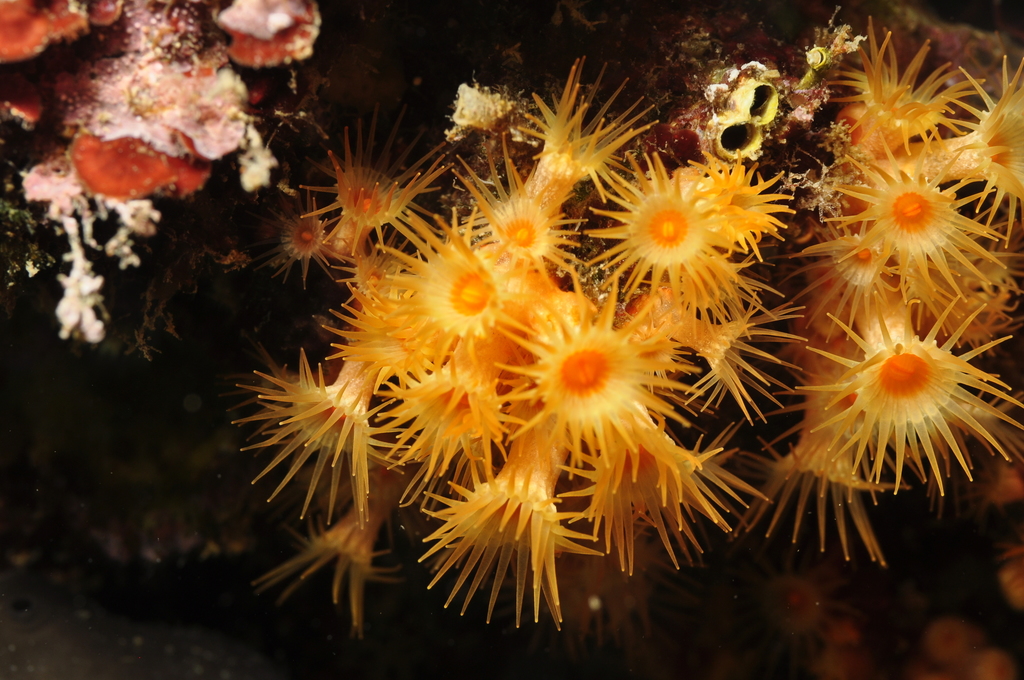
Star Polyp Metalic Yellow on Skin
Briareum sp
In Stock
Common stock
Aquacultured
Easy care
Reef Safe ✓
SKU: CRBRIAstarp3
The Star Polyp Metalic Yellow on Skin (Briareum sp) captivates with its vibrant colors and unique texture.
Pricing for Verified Importers
Log in to see wholesale prices and order.
Origin
Coral Triangle
Temperature
24.0–28.0°C
Min. Tank Size
100 L
Salinity
1.023–1.025 ppt
pH
8.10–8.40
The Star Polyp Metalic Yellow on Skin, belonging to the Briareum genus, is a stunning coral species known for its bright yellow coloration and delicate star-shaped polyps. Found predominantly in the coral reefs of the Coral Triangle, this species thrives in warm, shallow waters where it forms extensive colonies. Its unique coloration is due to the symbiotic relationship with zooxanthellae, which provide the coral with energy through photosynthesis. The bright yellow hue makes it a popular choice for reef aquariums.
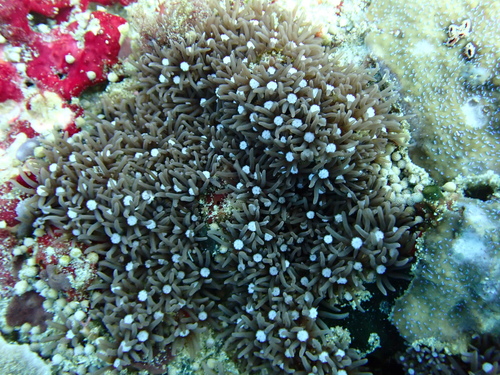
In terms of appearance, the Star Polyp exhibits a fleshy, encrusting base, upon which numerous vibrant yellow polyps extend. These polyps can retract when disturbed or during nighttime, showcasing the coral's ability to protect itself from potential threats. The texture of the colony is soft to the touch, making it a gentle addition to any reef setting. The polyps can reach up to 1 cm in diameter and are often found in large clusters, creating a captivating visual display in aquariums.
Behaviorally, this coral is known for its rapid growth and ability to cover large areas of substrate. It reproduces both sexually and asexually, allowing for quick colonization of available space on the reef. Star Polyps can also engage in aggressive interactions with neighboring corals, utilizing their sweeper tentacles to fend off competition. This adaptability further enhances their appeal in aquaristic environments.
In their natural habitat, Star Polyps typically inhabit reef slopes and shallow lagoons where water circulation is moderate. They prefer well-lit environments, benefiting from the high levels of light that promote the growth of their symbiotic algae. This species is highly valued not only for its aesthetic qualities but also for its role in maintaining the health of coral reef ecosystems by providing habitat for various marine organisms.
In terms of appearance, the Star Polyp exhibits a fleshy, encrusting base, upon which numerous vibrant yellow polyps extend. These polyps can retract when disturbed or during nighttime, showcasing the coral's ability to protect itself from potential threats. The texture of the colony is soft to the touch, making it a gentle addition to any reef setting. The polyps can reach up to 1 cm in diameter and are often found in large clusters, creating a captivating visual display in aquariums.
Behaviorally, this coral is known for its rapid growth and ability to cover large areas of substrate. It reproduces both sexually and asexually, allowing for quick colonization of available space on the reef. Star Polyps can also engage in aggressive interactions with neighboring corals, utilizing their sweeper tentacles to fend off competition. This adaptability further enhances their appeal in aquaristic environments.
In their natural habitat, Star Polyps typically inhabit reef slopes and shallow lagoons where water circulation is moderate. They prefer well-lit environments, benefiting from the high levels of light that promote the growth of their symbiotic algae. This species is highly valued not only for its aesthetic qualities but also for its role in maintaining the health of coral reef ecosystems by providing habitat for various marine organisms.
For successful care of the Star Polyp Metalic Yellow on Skin, maintaining stable water parameters is crucial. Ideal conditions include a temperature range of 24-28°C, a salinity level of 1.023-1.025 ppt, and a pH between 8.1 and 8.4. These corals thrive in well-lit environments, so a lighting setup that mimics natural sunlight is recommended.
Feeding should focus on providing essential nutrients through a mix of zooplankton and phytoplankton, although they primarily derive energy from their symbiotic algae. Compatibility with other marine species is generally good, but caution should be exercised with more aggressive corals that might outcompete them for space and resources.
Acclimation is essential when introducing Star Polyps to a new aquarium. A slow drip acclimation process over several hours is recommended to minimize stress. Quarantine is also advisable to prevent the introduction of parasites or diseases into the main tank. Ensuring these corals have enough space to grow and thrive will contribute to their health and vibrancy.
Feeding should focus on providing essential nutrients through a mix of zooplankton and phytoplankton, although they primarily derive energy from their symbiotic algae. Compatibility with other marine species is generally good, but caution should be exercised with more aggressive corals that might outcompete them for space and resources.
Acclimation is essential when introducing Star Polyps to a new aquarium. A slow drip acclimation process over several hours is recommended to minimize stress. Quarantine is also advisable to prevent the introduction of parasites or diseases into the main tank. Ensuring these corals have enough space to grow and thrive will contribute to their health and vibrancy.
The Star Polyp Metalic Yellow on Skin is suitable for shipping, provided that proper precautions are taken. It is essential to maintain stable temperatures during transit, ideally between 24-26°C, to avoid stress. Packing density should allow for adequate water circulation to prevent damage to the coral. This species is not listed under CITES, making it easier to export. However, care should still be taken to comply with local regulations.
Species Parameters
Origin
Coral Triangle
Habitat
reef
Temp Min
24.0 °C
Temp Max
28.0 °C
Salinity Min
1.023
Salinity Max
1.025
pH Min
8.10
pH Max
8.40
Min Tank
100 L