CITES App. II
Star Polyps Blue
Pachyclavularia sp
In Stock
Common stock
Aquacultured
Easy care
Reef Safe ✓
SKU: CRPACHstarp3
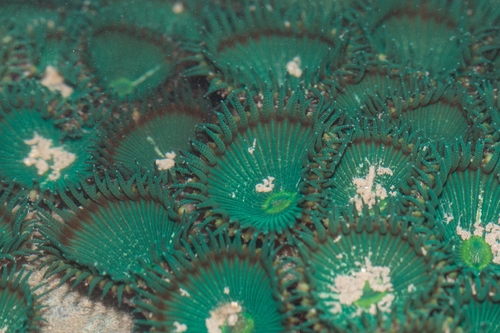
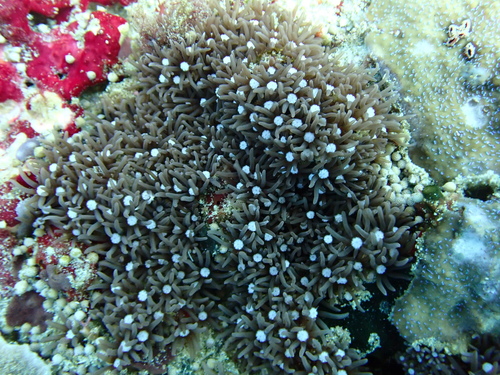
Star Polyps Blue (Pachyclavularia sp) showcase vibrant blue hues, making them a stunning addition to any reef aquarium.
Pricing for Verified Importers
Log in to see wholesale prices and order.
Export Size
up to 10.0 cm
Origin
Coral Triangle
Temperature
24.0–27.0°C
Min. Tank Size
50 L
Salinity
35.000–35.000 ppt
pH
8.10–8.40
Star Polyps Blue, scientifically known as Pachyclavularia sp, are a captivating species of soft coral native to the warm waters of the Coral Triangle, particularly around Bali, Indonesia. These corals are renowned for their bright blue coloration, which can create a mesmerizing effect in a reef aquarium. With their unique star-shaped polyps that extend during the day, they can transform a tank into a vibrant underwater landscape.
In terms of natural history, these corals thrive in shallow waters, typically attaching themselves to rocky substrates or hard surfaces. They are often found in areas with moderate water movement, allowing them to filter feed effectively while also relying on symbiotic zooxanthellae for photosynthesis. This dual feeding strategy enables them to sustain their vibrant colors and overall health, making them a resilient species in the aquarium trade.
Behaviorally, Star Polyps Blue are known for their rapid growth and ability to spread across surfaces, forming lush carpets of color in the wild. They exhibit a unique behavior of retracting their polyps at night, which is a natural response to changes in light and predation. This ability to adapt to varying conditions makes them a popular choice for both novice and experienced aquarists.
Their habitat typically consists of shallow reef environments, where they benefit from the abundant light and nutrients. As part of a healthy reef ecosystem, they play a crucial role in providing habitat for small marine organisms and contributing to the overall biodiversity of the area.
In terms of natural history, these corals thrive in shallow waters, typically attaching themselves to rocky substrates or hard surfaces. They are often found in areas with moderate water movement, allowing them to filter feed effectively while also relying on symbiotic zooxanthellae for photosynthesis. This dual feeding strategy enables them to sustain their vibrant colors and overall health, making them a resilient species in the aquarium trade.
Behaviorally, Star Polyps Blue are known for their rapid growth and ability to spread across surfaces, forming lush carpets of color in the wild. They exhibit a unique behavior of retracting their polyps at night, which is a natural response to changes in light and predation. This ability to adapt to varying conditions makes them a popular choice for both novice and experienced aquarists.
Their habitat typically consists of shallow reef environments, where they benefit from the abundant light and nutrients. As part of a healthy reef ecosystem, they play a crucial role in providing habitat for small marine organisms and contributing to the overall biodiversity of the area.
For optimal care of Star Polyps Blue (Pachyclavularia sp), maintaining stable water parameters is essential. The ideal temperature range is between 24°C to 27°C, with a salinity of 1.023 to 1.025 ppt. The pH should be kept between 8.1 and 8.4. These corals thrive in moderate to high lighting conditions, which enhances their pigmentation and overall health.
Feeding Star Polyps Blue involves providing them with a combination of light and occasional supplemental feeding of phytoplankton or other liquid coral foods. They are generally low-maintenance and do not require frequent feeding, as they primarily derive energy from sunlight through photosynthesis.
In terms of compatibility, these corals are typically peaceful and can coexist with many other reef species. However, they can be aggressive towards other soft corals, so it is advisable to provide enough space to prevent overgrowth. When introducing them to a new tank, acclimation should be gradual to minimize stress; a drip acclimation method is recommended. Quarantine is also advisable to prevent the introduction of pests or diseases into your main display tank.
Feeding Star Polyps Blue involves providing them with a combination of light and occasional supplemental feeding of phytoplankton or other liquid coral foods. They are generally low-maintenance and do not require frequent feeding, as they primarily derive energy from sunlight through photosynthesis.
In terms of compatibility, these corals are typically peaceful and can coexist with many other reef species. However, they can be aggressive towards other soft corals, so it is advisable to provide enough space to prevent overgrowth. When introducing them to a new tank, acclimation should be gradual to minimize stress; a drip acclimation method is recommended. Quarantine is also advisable to prevent the introduction of pests or diseases into your main display tank.
Star Polyps Blue are suitable for shipping with care, as they are resilient to slight temperature fluctuations. Packing density should allow for adequate water circulation, and maintaining a temperature between 22°C and 25°C during transport is crucial to their health. These corals are not listed under CITES, simplifying the shipping process for international trade.
Species Parameters
Max Adult Size
10.0 cm
Origin
Coral Triangle
Habitat
reef
Temp Min
24.0 °C
Temp Max
27.0 °C
Salinity Min
35.000
Salinity Max
35.000
pH Min
8.10
pH Max
8.40
Min Tank
50 L