CITES App. II
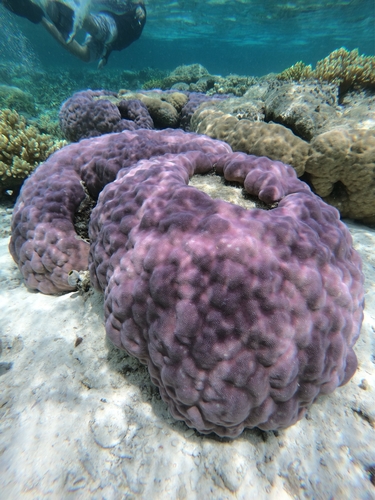
Purple Merulina ampliata
Merulina ampliata
In Stock
Common stock
Aquacultured
Experienced care
Reef Safe ✓
SKU: ML-HC-0002
Discover the vibrant beauty of Purple Merulina ampliata, a stunning coral species known for its unique coloration.
Pricing for Verified Importers
Log in to see wholesale prices and order.
Export Size
up to 30.0 cm
Origin
Coral Triangle
Temperature
24.0–28.0°C
Min. Tank Size
100 L
Salinity
1.023–1.025 ppt
pH
8.10–8.40
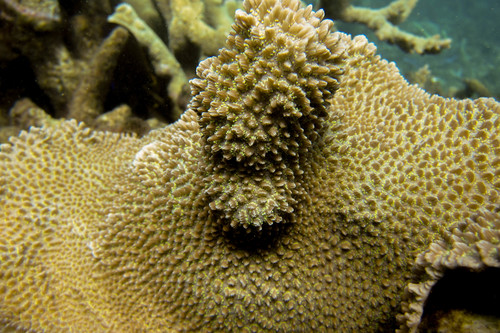
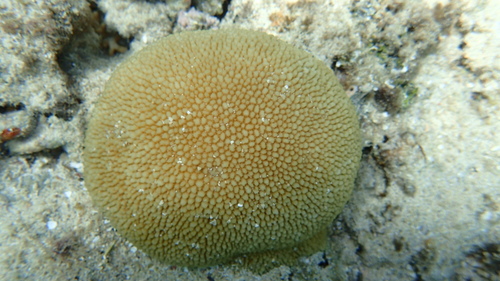
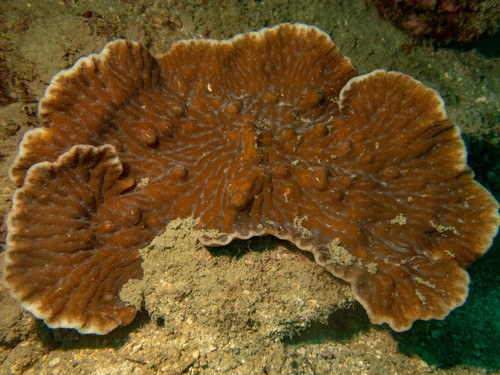
Purple Merulina ampliata, commonly referred to as the purple coral, is a captivating species found predominantly in the warm waters of the Coral Triangle, particularly around Bali, Indonesia. This coral exhibits a striking purple hue, which makes it an attractive addition to reef aquariums. Its unique morphology features thick, plate-like structures that create a visually appealing landscape under the water's surface. Merulina ampliata is not only beautiful but also plays a crucial role in the marine ecosystem by providing habitat and shelter for various marine organisms.
In terms of behavior, Purple Merulina ampliata primarily thrives in shallow waters where it can receive ample sunlight for photosynthesis. This species often forms large colonies that can grow quite expansive over time, contributing significantly to the biodiversity of coral reefs. The coral polyps extend their tentacles at night, feeding on plankton and other small particles, while during the day, they retract to minimize exposure to the sun's harsh rays.
The habitat of Merulina ampliata typically consists of well-lit, shallow reefs where water movement is moderate. These corals are often found in areas with a rich diversity of marine life, showcasing their importance in the overall health of the reef ecosystem. Their adaptability to various environmental conditions makes them a resilient species, yet they remain sensitive to changes in water quality and temperature.
As a species, Purple Merulina ampliata is known for its symbiotic relationship with zooxanthellae, a type of algae that provides essential nutrients through photosynthesis, giving the coral its vibrant color. This relationship highlights the importance of maintaining optimal water conditions to support both the coral and its algal partners, ensuring a thriving marine environment.
In terms of behavior, Purple Merulina ampliata primarily thrives in shallow waters where it can receive ample sunlight for photosynthesis. This species often forms large colonies that can grow quite expansive over time, contributing significantly to the biodiversity of coral reefs. The coral polyps extend their tentacles at night, feeding on plankton and other small particles, while during the day, they retract to minimize exposure to the sun's harsh rays.
The habitat of Merulina ampliata typically consists of well-lit, shallow reefs where water movement is moderate. These corals are often found in areas with a rich diversity of marine life, showcasing their importance in the overall health of the reef ecosystem. Their adaptability to various environmental conditions makes them a resilient species, yet they remain sensitive to changes in water quality and temperature.
As a species, Purple Merulina ampliata is known for its symbiotic relationship with zooxanthellae, a type of algae that provides essential nutrients through photosynthesis, giving the coral its vibrant color. This relationship highlights the importance of maintaining optimal water conditions to support both the coral and its algal partners, ensuring a thriving marine environment.
When caring for Purple Merulina ampliata, it is essential to maintain specific water parameters to promote healthy growth. The ideal temperature range for this coral is between 24°C to 28°C, with a salinity level of 1.023 to 1.025 ppt. The pH should be kept between 8.1 and 8.4 for optimal health. Regular monitoring of these parameters is crucial, as fluctuations can stress the coral and lead to decline.
Feeding is primarily achieved through the symbiotic relationship with zooxanthellae, but supplemental feeding with phytoplankton or liquid coral foods can enhance growth. Ensure that the coral is placed in a location with moderate water flow to facilitate feeding while avoiding excessive turbulence, which could damage the structure.
Compatibility with other species is generally good, but care should be taken to avoid aggressive tank mates that may harm the coral. Acclimation is vital; gradually introducing the coral to a new environment over several hours can help reduce stress. Quarantine of new specimens for at least two weeks is recommended to prevent the introduction of pathogens to your main tank.
Feeding is primarily achieved through the symbiotic relationship with zooxanthellae, but supplemental feeding with phytoplankton or liquid coral foods can enhance growth. Ensure that the coral is placed in a location with moderate water flow to facilitate feeding while avoiding excessive turbulence, which could damage the structure.
Compatibility with other species is generally good, but care should be taken to avoid aggressive tank mates that may harm the coral. Acclimation is vital; gradually introducing the coral to a new environment over several hours can help reduce stress. Quarantine of new specimens for at least two weeks is recommended to prevent the introduction of pathogens to your main tank.
Purple Merulina ampliata is suitable for shipping, provided that they are packed carefully to minimize stress. A packing density of 1-2 corals per container is recommended to ensure adequate space. The ideal shipping temperature should be maintained between 24°C and 28°C to prevent thermal shock. This species is not listed under CITES, making it easier for importers to manage compliance with international regulations.
Species Parameters
Max Adult Size
30.0 cm
Origin
Coral Triangle
Temp Min
24.0 °C
Temp Max
28.0 °C
Salinity Min
1.023
Salinity Max
1.025
pH Min
8.10
pH Max
8.40
Min Tank
100 L