CITES App. II
Pink Bird`s Nest Coral
Seriatopora hystrix
In Stock
Common stock
Aquacultured
Experienced care
Reef Safe ✓
SKU: CRSERIpink
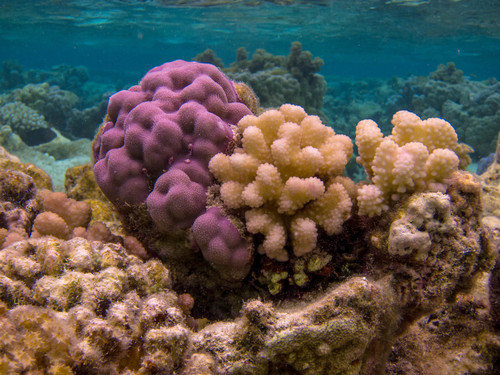
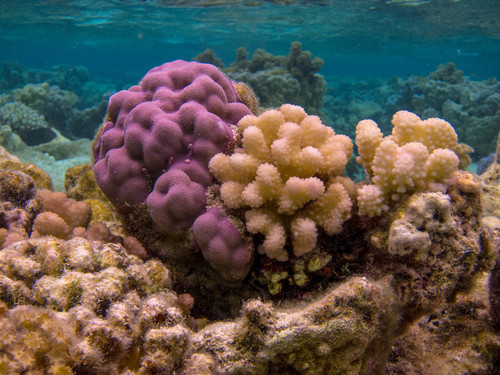
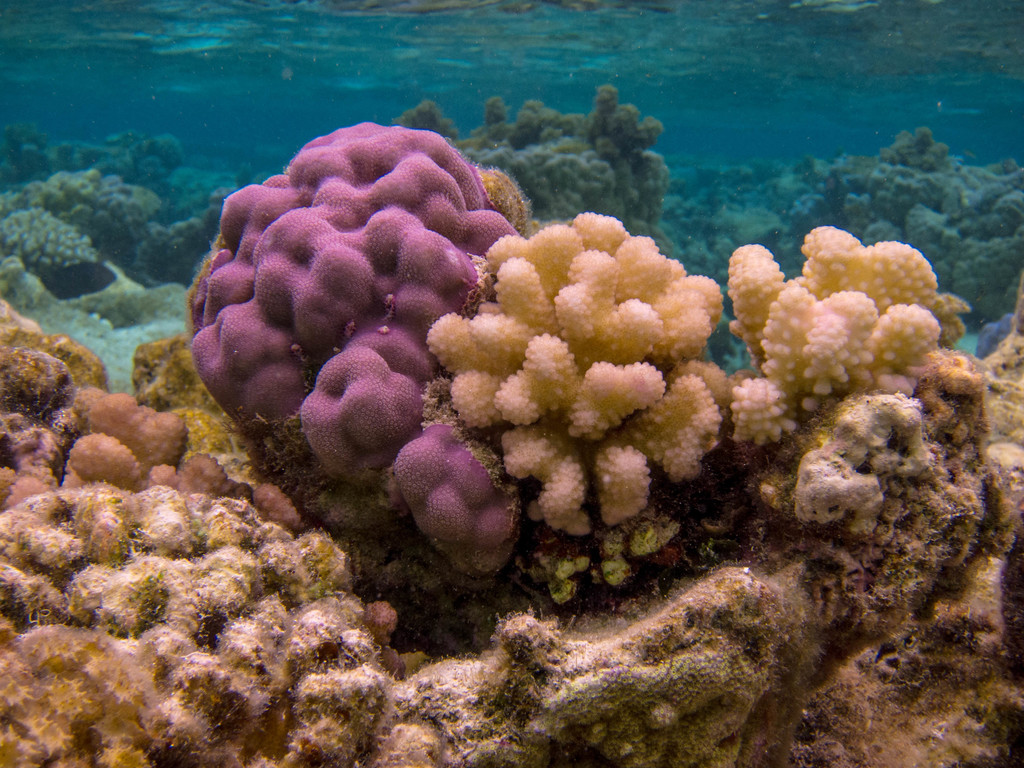
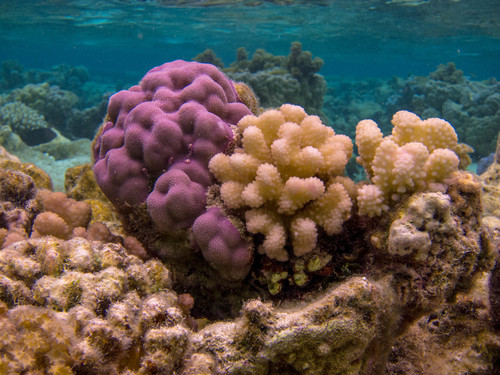
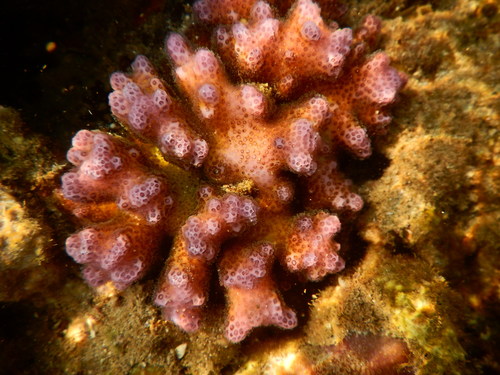
The Pink Bird's Nest Coral features stunning pink branches, making it a vibrant addition to any reef aquarium.
Pricing for Verified Importers
Log in to see wholesale prices and order.
Export Size
up to 30.0 cm
Origin
Indo-Pacific
Temperature
24.0–28.0°C
Min. Tank Size
100 L
Salinity
32.000–35.000 ppt
pH
8.10–8.40
Seriatopora hystrix, commonly known as the Pink Bird's Nest Coral, is a colonial stony coral belonging to the Pocilloporidae family. This species is renowned for its delicate, branching structure that resembles a bird's nest, hence its name. It can be found in various shades of pink, which adds a vibrant touch to marine aquariums. This coral species thrives in shallow waters, typically on fore-reef slopes or within sheltered lagoons, making it a common sight in the vibrant coral reefs of the western Indo-Pacific region, including areas like East Africa and the Red Sea.
In terms of natural history, Pink Bird's Nest Coral plays a vital role in its ecosystem, providing habitat for various marine organisms and contributing to the structural complexity of reef environments. The coral exhibits a symbiotic relationship with zooxanthellae, photosynthetic algae that reside within its tissues, allowing it to derive energy from sunlight while also benefiting from the nutrients produced by the algae. This unique adaptation makes it a crucial component of reef health, as it aids in building calcium carbonate structures essential for the ecosystem.
Pink Bird's Nest Coral's growth form is characterized by its thin, vertical branches that can reach impressive heights and widths in ideal conditions. The branching clumps can create visually stunning displays in aquariums, making it a popular choice among aquarists. Additionally, this species is known for its resilience; however, it remains vulnerable in the wild due to environmental changes and coral reef degradation.
Overall, the Pink Bird's Nest Coral is not only a beautiful addition to aquariums but also a crucial species for maintaining biodiversity within marine ecosystems. Its stunning appearance and ecological significance make it a sought-after choice for both importers and wholesalers in the aquarium trade.
In terms of natural history, Pink Bird's Nest Coral plays a vital role in its ecosystem, providing habitat for various marine organisms and contributing to the structural complexity of reef environments. The coral exhibits a symbiotic relationship with zooxanthellae, photosynthetic algae that reside within its tissues, allowing it to derive energy from sunlight while also benefiting from the nutrients produced by the algae. This unique adaptation makes it a crucial component of reef health, as it aids in building calcium carbonate structures essential for the ecosystem.
Pink Bird's Nest Coral's growth form is characterized by its thin, vertical branches that can reach impressive heights and widths in ideal conditions. The branching clumps can create visually stunning displays in aquariums, making it a popular choice among aquarists. Additionally, this species is known for its resilience; however, it remains vulnerable in the wild due to environmental changes and coral reef degradation.
Overall, the Pink Bird's Nest Coral is not only a beautiful addition to aquariums but also a crucial species for maintaining biodiversity within marine ecosystems. Its stunning appearance and ecological significance make it a sought-after choice for both importers and wholesalers in the aquarium trade.
To successfully care for Pink Bird's Nest Coral, maintaining optimal water parameters is essential. Ideal temperature ranges from 24°C to 28°C, with salinity levels between 32-35 ppt. The pH should be maintained between 8.1 and 8.4 to promote healthy growth. Providing adequate lighting is crucial, as this species benefits from moderate to high light levels, which supports its symbiotic algae.
Feeding is generally minimal due to its photosynthetic nature, but supplemental feeding with liquid coral foods can enhance its growth and color. Ensure that the coral is placed in a tank with good water circulation to prevent sediment accumulation on its delicate branches. Compatibility with other reef inhabitants is typically good, as it can coexist with many peaceful coral species; however, care should be taken to avoid aggressive corals that may outcompete or damage it.
Acclimation should be done slowly to reduce stress, typically over a period of several hours. Quarantine is recommended for new arrivals to monitor for pests or diseases before introducing them to the main display tank. Regular monitoring of water quality and ensuring stable conditions will promote the long-term health of this beautiful coral species.
Feeding is generally minimal due to its photosynthetic nature, but supplemental feeding with liquid coral foods can enhance its growth and color. Ensure that the coral is placed in a tank with good water circulation to prevent sediment accumulation on its delicate branches. Compatibility with other reef inhabitants is typically good, as it can coexist with many peaceful coral species; however, care should be taken to avoid aggressive corals that may outcompete or damage it.
Acclimation should be done slowly to reduce stress, typically over a period of several hours. Quarantine is recommended for new arrivals to monitor for pests or diseases before introducing them to the main display tank. Regular monitoring of water quality and ensuring stable conditions will promote the long-term health of this beautiful coral species.
Pink Bird's Nest Coral is suitable for shipping, but care should be taken to ensure proper packing to minimize stress during transit. Recommended packing density is low to prevent physical damage to the delicate branches. Maintain temperatures between 22°C and 28°C during shipping to avoid stress or temperature shock. As a species listed under CITES Appendix II, proper export permits are required to ensure sustainable trade practices.
Species Parameters
Max Adult Size
30.0 cm
Origin
Indo-Pacific
Habitat
reef
Temp Min
24.0 °C
Temp Max
28.0 °C
Salinity Min
32.000
Salinity Max
35.000
pH Min
8.10
pH Max
8.40
Min Tank
100 L