CITES App. II
Pink Knob-Horned Coral
Pocillopora verrucosa
In Stock
Common stock
Aquacultured
Moderate care
Reef Safe ✓
SKU: CRPOCIpink
The Pink Knob-Horned Coral is a vibrant addition to any aquarium, known for its unique morphology and color.
Pricing for Verified Importers
Log in to see wholesale prices and order.
Export Size
up to 30.0 cm
Origin
Coral Triangle
Temperature
24.0–28.0°C
Min. Tank Size
100 L
Salinity
1.020–1.025 ppt
pH
8.10–8.40
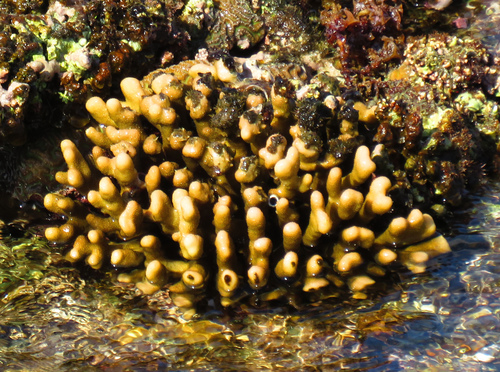
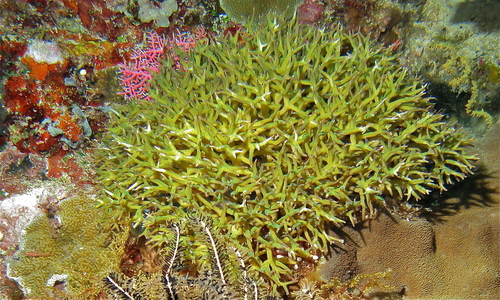
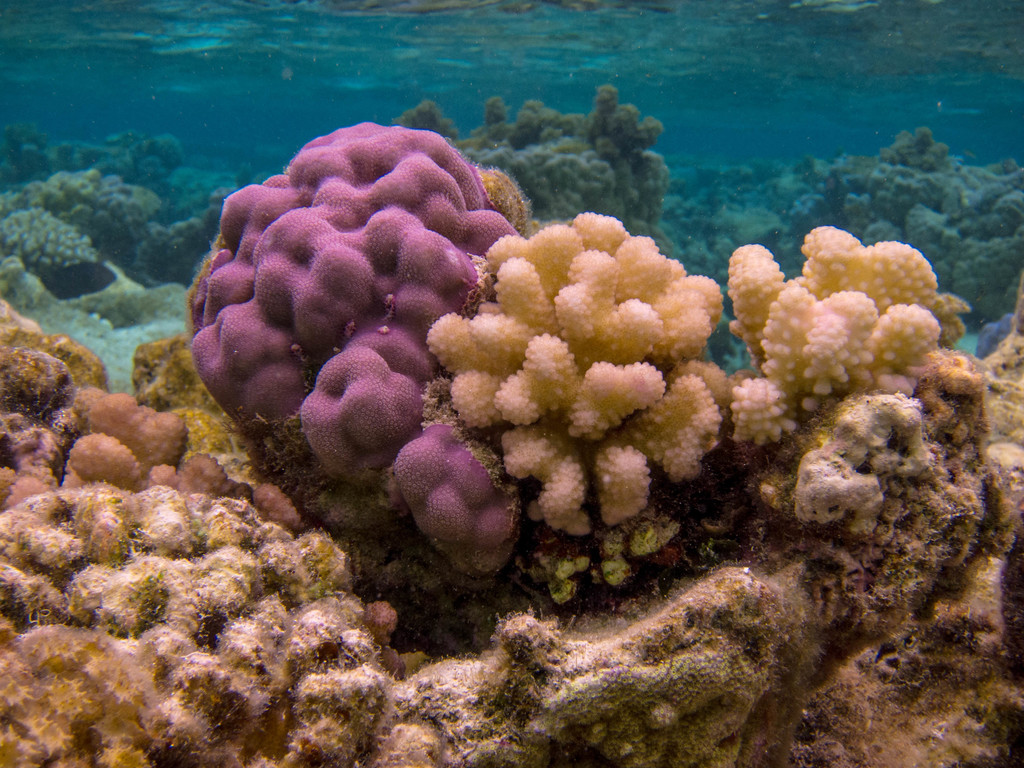
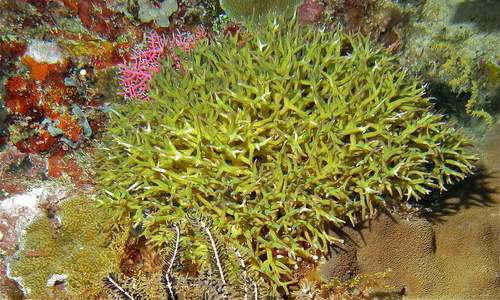
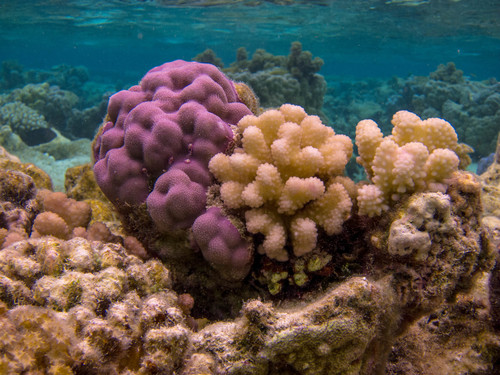
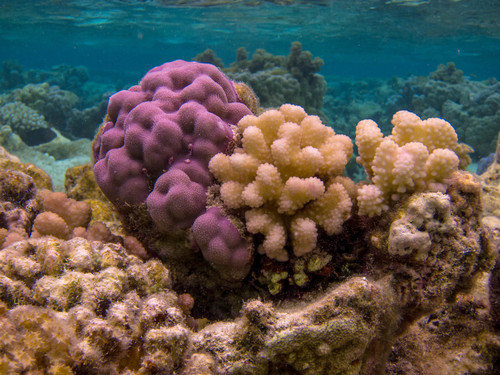
Pocillopora verrucosa, commonly known as the Pink Knob-Horned Coral, is a captivating species found predominantly in the warm waters of the Coral Triangle. This coral is characterized by its distinctive knob-like projections, which give it a unique appearance among other coral species. Its vibrant pink to reddish hues not only enhance the aesthetic appeal of an aquarium but also serve as a critical habitat for various marine organisms.
In terms of natural history, the Pink Knob-Horned Coral plays an essential role in reef ecosystems. It forms part of the structure of coral reefs, providing shelter and breeding grounds for numerous fish species and invertebrates. This species can thrive in various light conditions and demonstrates a remarkable resilience to changing environmental factors, making it a favorite among aquarists.
Behaviorally, Pocillopora verrucosa exhibits both solitary and colonial growth patterns, often forming large colonies that can span several square meters. The polyps extend during the night to capture plankton and other small particles, showcasing their feeding behavior. Additionally, this species is known to engage in a symbiotic relationship with zooxanthellae, which are algae that live within the coral tissues, providing it with essential nutrients through photosynthesis.
Habitat-wise, the Pink Knob-Horned Coral is typically found in shallow lagoons, reef slopes, and areas with moderate water movement. It thrives in a variety of substrates, from sandy bottoms to rocky surfaces, demonstrating adaptability to different environmental conditions. Its ecological significance and stunning appearance make it a prized specimen for both hobbyists and commercial aquarists alike.
In terms of natural history, the Pink Knob-Horned Coral plays an essential role in reef ecosystems. It forms part of the structure of coral reefs, providing shelter and breeding grounds for numerous fish species and invertebrates. This species can thrive in various light conditions and demonstrates a remarkable resilience to changing environmental factors, making it a favorite among aquarists.
Behaviorally, Pocillopora verrucosa exhibits both solitary and colonial growth patterns, often forming large colonies that can span several square meters. The polyps extend during the night to capture plankton and other small particles, showcasing their feeding behavior. Additionally, this species is known to engage in a symbiotic relationship with zooxanthellae, which are algae that live within the coral tissues, providing it with essential nutrients through photosynthesis.
Habitat-wise, the Pink Knob-Horned Coral is typically found in shallow lagoons, reef slopes, and areas with moderate water movement. It thrives in a variety of substrates, from sandy bottoms to rocky surfaces, demonstrating adaptability to different environmental conditions. Its ecological significance and stunning appearance make it a prized specimen for both hobbyists and commercial aquarists alike.
When caring for Pink Knob-Horned Coral, maintaining optimal water parameters is crucial. The ideal temperature range is between 24°C to 28°C, with salinity levels of 1.020 to 1.025 ppt. Regular monitoring of pH is also essential, ideally maintaining levels between 8.1 and 8.4. Adequate lighting is important, as this coral relies on photosynthesis, so ensure strong yet balanced light exposure.
Feeding this coral involves a combination of direct feeding and allowing it to utilize its symbiotic relationship with zooxanthellae. You can supplement their diet with fine particulate foods or coral-specific feed. Compatibility is generally good, but it's best to avoid aggressive tank mates that may harm the coral. Acclimation should be gradual, introducing the coral to the aquarium environment slowly to minimize stress.
Quarantine is recommended before introducing the coral into a main tank to prevent potential disease transmission. Monitor for signs of stress or disease during this period to ensure a healthy transition into its new habitat. With proper care, the Pink Knob-Horned Coral can thrive and become a stunning focal point in any aquarium setup.
Feeding this coral involves a combination of direct feeding and allowing it to utilize its symbiotic relationship with zooxanthellae. You can supplement their diet with fine particulate foods or coral-specific feed. Compatibility is generally good, but it's best to avoid aggressive tank mates that may harm the coral. Acclimation should be gradual, introducing the coral to the aquarium environment slowly to minimize stress.
Quarantine is recommended before introducing the coral into a main tank to prevent potential disease transmission. Monitor for signs of stress or disease during this period to ensure a healthy transition into its new habitat. With proper care, the Pink Knob-Horned Coral can thrive and become a stunning focal point in any aquarium setup.
The Pink Knob-Horned Coral is suitable for shipping, but care must be taken to maintain optimal conditions during transit. Packing density should be moderate to allow for adequate water movement and oxygenation. It is sensitive to temperature fluctuations; therefore, maintaining stable temperatures between 24°C to 28°C during shipping is essential. This species is not listed under CITES, but always ensure compliance with local and international regulations.
Species Parameters
Max Adult Size
30.0 cm
Origin
Coral Triangle
Habitat
reef
Temp Min
24.0 °C
Temp Max
28.0 °C
Salinity Min
1.020
Salinity Max
1.025
pH Min
8.10
pH Max
8.40
Min Tank
100 L